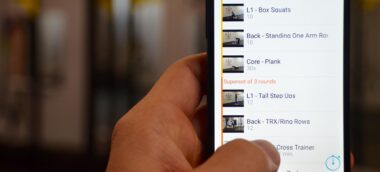

Custom Notifications and Reminders for Consistent Fitness
Fitness apps have become valuable tools for busy individuals striving to maintain their health despite hectic schedules. Among the diverse functions these apps offer, custom notifications and reminders play a significant role. These features enable users to receive timely alerts about their workouts or scheduled physical activities. As life becomes more fast-paced, the importance of structured reminders cannot be overstated. Users can personalize these notifications based on their preferences, ensuring an engaging and motivating experience. Daily notifications help reinforce a fitness habit, driving users toward their ambitious health goals. The versatility of these reminders allows them to fit seamlessly into varied lifestyles. For instance, early risers can set reminders for morning workouts, while those with unpredictable schedules might prefer midday alerts. Moreover, effective fitness apps integrate calendar syncing to prevent any potential overlaps with existing commitments. Overall, fitness apps equipped with customization options significantly enhance adherence to workout schedules, benefitting busy individuals who struggle to find time for personal wellness. Such tailored reminders facilitate greater accountability in fitness routines, ultimately fostering a sustainable healthy lifestyle, making it easier than ever to stay on track regardless of life’s demands.
Fitness apps with customized notifications enable users to remain dedicated to their fitness journey. By facilitating timely reminders, these tools prevent individuals from losing sight of their fitness routines amid chaotic daily responsibilities. Users are encouraged to set specific goals and receive alerts that contribute to achieving these goals consistently. This not only bolsters motivation, but also ensures that individuals engage in regular physical activity. Furthermore, technology has advanced to allow integration with devices such as smartwatches, which receive notifications in real-time. Such integration enhances the likelihood of individuals following through on their fitness plans, as they are consistently reminded of their commitments. Additionally, this technology allows users to track their progress through the app, further encouraging accountability and motivation. With built-in analytics, users can assess their achievements over time and adjust their exercise regimens accordingly. The adaptability of fitness apps in collaboration with notification systems transforms how busy individuals prioritize their health. As challenges arise, these apps stand as reminders that fitness is attainable, even with a packed schedule. Their unique features play a vital role in inspiring users to remain active, embracing wellness as an integral part of their lives.
The Role of Reminders in Building Consistency
The critical role of reminders in fitness apps cannot be overlooked when promoting consistent exercise habits. By allowing users to schedule alerts tailored to their needs, these apps foster a supportive environment for healthful behaviors. Consistency is vital in creating routines that lead to long-term benefits; thus, incorporating reminders can make a remarkable difference. Users often appreciate the gentle nudges prompting them to prioritize self-care throughout their busy days. Additionally, personalized reminders can feature motivational messages or affirmations that cater to individual user preferences, making them feel valued and understood. This emotional element can cultivate a stronger bond between the user and the app itself. The feeling of accountability also increases as reminders are sent, fostering a sense of responsibility for one’s fitness goals. Many users report feeling remarkably more efficient and accomplished when they use an app that prioritizes customizable notifications. Moreover, these reminders can also inform users about healthy eating tips and hydration reminders, thus promoting comprehensive wellness. Hence, fitness apps evolve into powerful allies that help individuals conquer their fitness challenges, aiding them in balancing both work and health effectively.
Effective management of schedules can significantly impact users’ interactions with fitness apps and their reminders. Busy users often juggle multiple responsibilities, making it crucial for their fitness apps to provide options that sync seamlessly with their existing calendars. This intelligent integration ensures that reminders are set to suit users’ availability, thus encouraging participation in physical activities on a consistent basis. Utilizing calendar synchronization alongside custom notifications serves to alleviate scheduling conflicts, fostering a more integrated approach to health and wellness. Users who may not have designated workout times can easily slot in short exercise routines as they receive timely alerts. Furthermore, data collected from user interactions helps tailor future notifications, ensuring that the prompts remain relevant and effective. Continuous adaptation to user preferences leads to improved compliance with fitness plans. In the increasingly busy lives many lead, seamless scheduling becomes pivotal to maximizing the time available for health commitments. Fitness apps, which ingeniously adapt to their users’ dynamic lifestyles, ensure that exercise becomes more accessible while supporting healthier outcomes. Therefore, such tools are essential in transforming ambitious health goals into practical, everyday realities for time-pressed individuals.
Enhancing User Experience through Gamification
Gamification elements integrated into fitness apps add an extra layer of motivation for users striving to reach their goals. By introducing custom notifications within a gamified framework, apps can further incentivize users to remain committed to their fitness routines. For instance, reminders accompanied by points, rewards, or badges can evoke a sense of achievement as individuals stay active. Recognizing accomplishments is integral to maintaining motivation, particularly for busy individuals attempting to balance work, family, and personal wellness. Furthermore, illustrations of user progress can be shared on social platforms, encouraging friendly competition among friends and family who utilize the same fitness app. The social dimension enhances user commitment while strengthening relationships based on mutual health pursuits. By incorporating interactive elements such as challenges or daily step counts, users are more likely to engage with their fitness app actively. This motivation is paramount, as busy individuals may often feel disconnected from their fitness aspirations. Consequently, the integration of customized notifications within this gamified setting fosters accountability and camaraderie, contributing to a sustainable practice of health and wellness for individuals who may otherwise struggle to find the time.
Incorporating feedback within fitness apps provides valuable insights that help sharpen the effectiveness of custom notifications. Gathering user feedback can shed light on preferred notification times, formats, or desirable motivational content. By making modifications based on this essential input, developers can ensure engagement remains high, significantly enhancing user satisfaction. A responsive design that listens to user preferences ultimately serves to strengthen the connection users have with their fitness journey. This customizable approach allows individuals to tailor their notifications uniquely to their needs, reinforcing consistency and accountability in maintaining their exercise routines. Additionally, incorporating A/B testing can help determine which types of reminders yield the best response rates, allowing fitness apps to continually evolve and refine their strategies. Regularly updating the notification features in response to user experience fosters a sense of ownership among users, providing them with more control over their health goals. Constant evolution keeps users excited about their fitness journey while ensuring the app caters to an array of differing lifestyles. The long-term success of fitness apps relies heavily on establishing a culture of adaptability that meets user needs consistently and effectively, which ultimately drives retention rates and consistent usage.
Overcoming Barriers to Consistency
Identifying and overcoming common barriers to consistency in fitness is crucial for success, especially for time-pressed individuals. Custom notifications assist users in navigating the hurdles that often emerge in busy lives. These barriers may include lack of time, low motivation, or scheduling conflicts, all of which can derail fitness aspirations. By addressing these challenges head-on, fitness apps become indispensable allies in promoting healthier behaviors. Users can receive reminders designed to prompt specific actions, such as short interval workouts or micro-exercises that can be completed in minimal time. This flexibility allows individuals to maintain a fitness regimen despite their busy lives. For instance, a simple notification that suggests a ten-minute bodyweight workout during lunch can provide a practical way to stay active. By breaking down workouts into manageable segments, users are more likely to adhere to their routines. Additionally, sending encouraging messages or reminders to track progress can help maintain motivation levels throughout the week. Consequently, the strategic use of customized notifications significantly influences adherence to fitness goals, empowering users to navigate the challenges of their daily routines with ease while fostering a healthier lifestyle overall.
Ultimately, fitness apps designed for busy individuals can provide long-term benefits through personalized notifications and reminders. These tailored alerts facilitate structured routines which can lead to improved mental and physical health. Convenience plays a crucial role in adopting healthy habits, and fitness apps inherently cater to the needs of those with limited time. By employing smart technology, these apps harness the power of analysis and user input to enhance personalized experiences. Features like customizable reminders allow users to build a framework for sustainable health that works harmoniously with their lifestyles. The blend between quality time management and fitness emphasizes that a dedicated approach can yield significant transformation. Effectively addressing barriers that have previously hindered users underscores these apps’ commitment to supporting both accountability and flexibility. As designing solutions for time and reality becomes increasingly vital, fitness apps will continue to evolve their offerings to fit the changing landscape of user expectations. Eventually, they emerge as essential tools for busy individuals striving for wellness, delivering tailored experiences designed specifically for optimal health journeys.