
How Breathing Techniques Can Lower Blood Pressure
Breathing techniques serve as a natural method to lower blood pressure, enhancing cardiovascular health. By focusing on the breath, individuals can activate the body’s relaxation response, reducing stress and anxiety. This response is crucial as high stress levels contribute significantly to elevated blood pressure. Regular practice of breathing exercises aids in oxygenating the body effectively, promoting better overall function. Techniques such as diaphragmatic breathing encourage deep breathing, engaging the diaphragm rather than shallow chest breathing. Shallow breathing can lead to insufficient oxygen intake, impacting cardiovascular performance. Moreover, deep breaths stimulate the vagus nerve, which induces calmness and tranquility. The following points illustrate the benefits of utilizing breathing techniques for blood pressure management:
- Reduces stress: Alleviates tension, helping to lower blood pressure.
- Improves oxygen flow: Enhances oxygen levels, benefitting overall health.
- Regulates heart rate: Promotes a steady and healthy heart rhythm.
- Enhances mental clarity: Increases focus and cognitive function.
- Encourages relaxation: Fosters an environment conducive to tranquility.
Putting these concepts into practice can yield lasting health improvements.
Techniques to Consider
There are various breathing techniques that can be practiced to support reduced blood pressure. One popular method is the 4-7-8 breathing technique. This involves inhaling for a count of four seconds, holding for seven seconds, and exhaling for eight seconds. This rhythm fosters relaxation and increases the time exhaling, which promotes the body’s natural calming mechanisms. Another beneficial method is box breathing; this consists of a pattern of inhaling, holding, exhaling, and pausing for equal durations. Typically, this is done in a 4-4-4-4 pattern, creating a rhythmic flow that is both meditative and stress-relieving. The alternate nostril breathing technique, a practice found in yoga, balances the body’s energy levels. This technique involves closing one nostril while inhaling through the other and vice versa. Such practices help to harmonize the mind, thereby fostering a sense of peace that contributes to reduced blood pressure. It is important to integrate these exercises into your daily routine for maximum benefits. Consistency in practice can lead to impressive improvements in cardiovascular health.
Studies have shown that consistent practice of breathing techniques can significantly impact long-term cardiovascular health. According to numerous research findings, individuals who incorporate these methods routinely experience noticeable reductions in blood pressure levels and heart rate. For example, a study involving participants who practiced controlled breathing techniques for several weeks revealed an average decrease in systolic blood pressure by up to 10 mmHg. Moreover, these techniques can also enhance the quality of life by improving mental clarity and emotional regulation. It is essential to monitor one’s blood pressure before and after practicing these techniques to track how effectively they work for you. Using a sphygmomanometer at home can help you do this conveniently. Changes in blood pressure may vary from person to person, reflecting individual health conditions and adherence levels. Thus, it’s vital to combine these practices with other lifestyle modifications like improved diet and physical activity. Additionally, consulting a healthcare provider before starting any new health routine is always advisable, particularly for those with underlying health conditions. Establishing a personalized practice can provide even greater health benefits overall.
The Role of Mindfulness
Mindfulness plays a crucial role in enhancing the efficacy of breathing techniques for lowering blood pressure. When individuals engage in mindful breathing, they focus their attention on each breath, observing their inhalations and exhalations without judgment. This practice fosters a deeper awareness of the body’s physical and emotional states, allowing for greater relaxation and stress relief. Integrating mindfulness with breathing practices not only enhances the physiological response but also supports emotional well-being. Researchers suggest that mindfulness-based interventions can lead to significant reductions in stress levels, which, in turn, positively influences blood pressure. Regularly applying mindfulness in daily routines can increase overall resilience to stressors. Incorporating brief moments of mindfulness during daily activities, such as taking a few deep breaths while waiting in line or during a break at work, can promote a greater sense of calm. Additionally, participating in mindfulness meditation groups can provide support and accountability, further encouraging consistent practice. It’s evident that cultivating mindfulness alongside breathing techniques can yield extensive health benefits beyond just managing blood pressure.
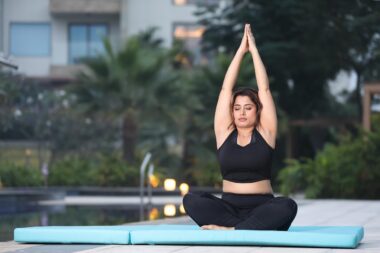
Engaging in physical activity also complements the use of breathing techniques in managing blood pressure effectively. Exercise, particularly aerobic activities like walking or cycling, has been shown to contribute to overall cardiovascular health. When combined with utilizing proper breathing techniques, workouts can be significantly enhanced. For instance, focusing on controlled breathing during exercise optimizes oxygen intake and promotes endurance. Practicing deep breathing while engaging in physical activity helps maintain a balanced heart rate and encourages relaxation, counteracting stress and anxiety often felt during workouts. For beginners, it is advisable to start with gentle exercises like yoga or tai chi that emphasize the connection between breath and movement. These forms of exercise promote both physical fitness and mental wellness, establishing a holistic approach to health management. Additionally, creating a regular exercise routine encourages consistency in breathing practices, which can reinforce positive outcomes for cardiovascular health. Over time, individuals may notice substantial improvements in how they feel, energizing their commitment to maintain both their exercise and breathing programs.
Importance of Hydration
Hydration plays a significant role in maintaining overall cardiovascular health and should not be overlooked when implementing breathing techniques. Adequate hydration supports blood circulation, which is essential for effectively managing blood pressure. Dehydration can lead to thickened blood, resulting in increased pressure on the heart and blood vessels. Thus, ensuring proper hydration can make the body more efficient in regulating blood pressure. It is generally recommended to consume at least eight 8-ounce glasses of water daily, depending on individual activity levels, climate, and overall health. Incorporating fruits and vegetables rich in water content, such as cucumbers and watermelon, can also enhance hydration. When practicing breathing techniques, staying hydrated can improve oxygen retention in the body, making the exercises more effective. Herbal teas and electrolyte-balanced drinks can also provide hydration while serving as a calming ritual that pairs well with breathing practices. Monitoring factors such as environment and activity level can guide hydration needs, especially during hot weather or intense physical activity. Ultimately, prioritizing hydration enhances the effectiveness of breathing techniques, supporting better cardiovascular and overall health.
In summary, breathing techniques reveal a powerful pathway to lower blood pressure and enhance cardiovascular wellness. By engaging in mindful and controlled breathing practices, individuals can harness their body’s potential to relieve stress and promote relaxation. The physiological effects of these techniques span beyond mere relaxation; they invite a holistic approach to managing cardiovascular health. As outlined, various methods, such as the 4-7-8 breathing, box breathing, and alternate nostril techniques, offer diverse options for practice. Pairing these exercises with regular physical activity, mindfulness, and proper hydration amplifies their effectiveness considerably. Staying committed to practicing these techniques daily forms a foundational aspect of long-term health benefits. Furthermore, keeping a monitoring system for blood pressure encourages users to persevere on their journey to better health. As awareness around stress management grows, integrating breathing techniques becomes an accessible and beneficial strategy for anyone looking to improve their cardiovascular health. Ultimately, this fusion of techniques offers a promising avenue for managing blood pressure effectively and improving overall health.
In conclusion, adopting these breathing techniques marks a proactive step towards achieving a lower blood pressure. Establishing a routine of mindful breathing not only mitigates stress but enhances the overall quality of life. The power rests in simplicity; often, just taking a moment to focus on breath can yield profound health benefits. The journey may begin with small steps, but consistency is key. Therefore, integrating this practice alongside healthy lifestyle adjustments such as improved nutrition and regular exercise creates a comprehensive approach to wellbeing. Providing support by consulting healthcare professionals ensures individuals embark on a safe and effective health journey. Engaging in community classes focused on breathing exercises can also promote social interaction and accountability, fostering an environment conducive to growth. Embracing a multi-faceted approach to cardiovascular health empowers individuals with the tools to make lasting changes. It is never too late to start improving one’s health through effective breathing techniques. Explore and discover the variety of practices that resonate best and commit to incorporating them into daily routines for lasting benefits throughout life.