
Circadian Rhythms and Athletic Performance
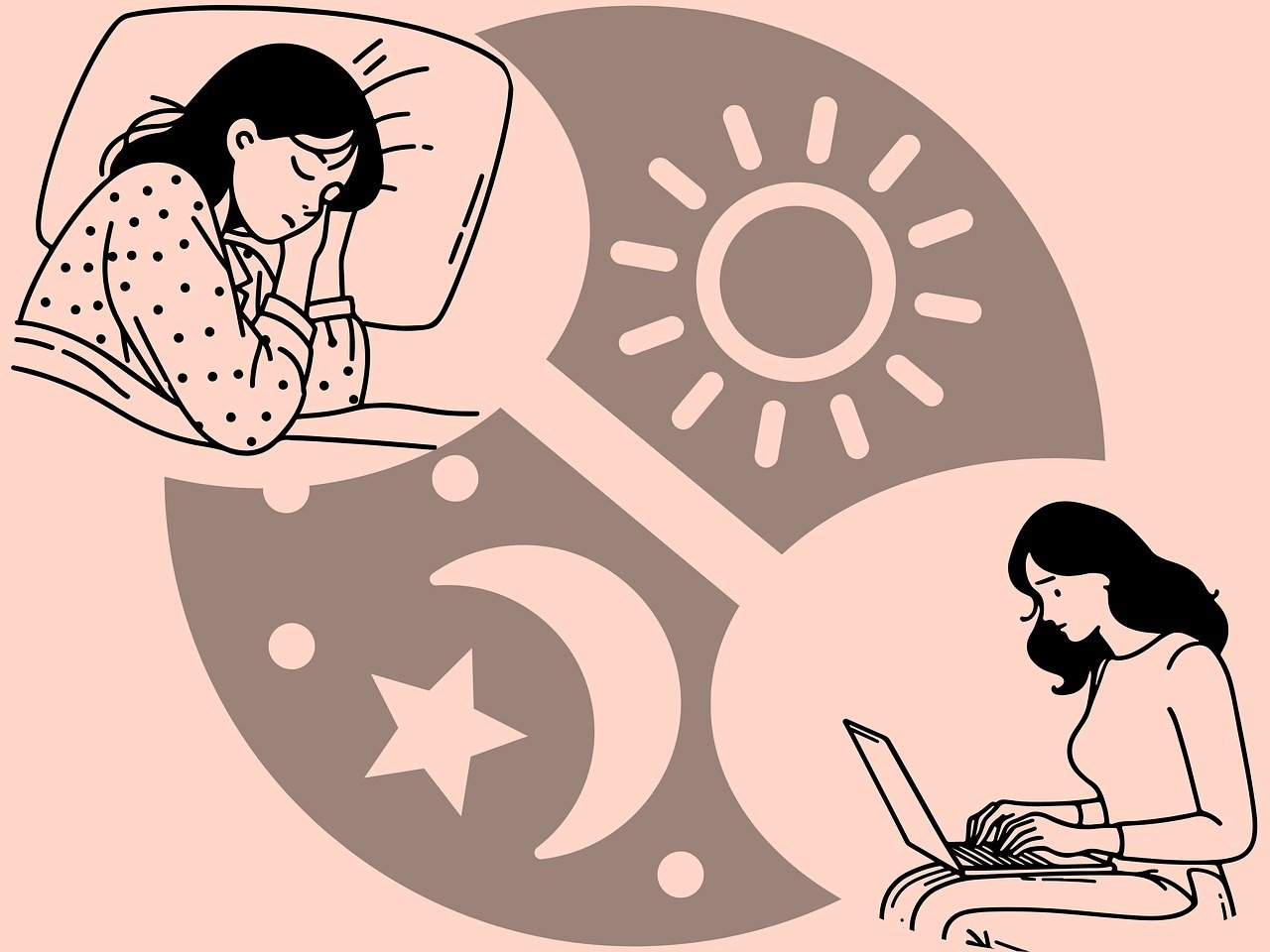
Athletes often prioritize sleep, yet many overlook the influence of circadian rhythms on their performance and recovery. Circadian rhythms regulate biological processes on a roughly 24-hour cycle, significantly affecting sleep quality and duration. An optimal alignment of these rhythms with an athlete’s training schedule maximizes the body’s capacity for recovery and enhances overall performance. Sleep disrupts this rhythm, causing decreased alertness, cognitive impairment, and reduced physical capabilities. Athletes who neglect proper synchronization of their internal clocks may face adverse effects, including poor reaction times and diminished stamina. Therefore, understanding individual circadian patterns becomes essential. For effective training, fostering sleep hygiene practices, such as maintaining a consistent sleep schedule, reducing screen time before bed, and utilizing sleep aids like blackout curtains can help. Studies show that athletes with well-aligned circadian rhythms report improved mood and recovery rates. Adopting daytime practices like exposure to sunlight can also promote appropriate nocturnal behavior. As athletes compete at higher levels, harnessing the power of biological rhythms should be a key component of their training regimens.
Diet also plays a critical role in sleep quality for athletes. Nutritional choices impact hormonal balance, which influences sleep patterns significantly. Consuming certain foods can either support or hinder the body’s natural sleep cycles. For example, meals rich in tryptophan or magnesium can promote sleep, while excessive caffeine and sugar intake can disrupt the circadian rhythm. Athletes must pay attention to their meal timings, as consuming heavy meals late in the evening leads to poor sleep quality. Additionally, achieving a balanced diet fuels physical performance and enhances recovery after rigorous training sessions. Athletes are encouraged to focus on foods rich in complex carbohydrates, lean proteins, and healthy fats. Including nutrient-dense foods such as oats, nuts, and leafy greens ensures the body receives necessary vitamins and minerals to support circadian rhythms positively. Moreover, staying hydrated can also contribute to better sleep outcomes. Adequate hydration prevents nighttime awakenings but should be balanced to avoid excess fluid intake before sleep. Thus, athletes can optimize their recovery and performance by maintaining a diet tailored to their sleep needs.
Strategies for Enhancing Sleep
Implementing effective strategies to enhance sleep quality is vital for athletes aiming to improve their performance. One approach is to create a calming bedtime routine that signals the body to unwind. Engaging in relaxing activities, such as reading or gentle stretching, can facilitate the transition from wakefulness to sleep. Limiting exposure to screens, which emit blue light, is critical to promoting melatonin production, the hormone responsible for sleep. Athletes should consider scheduling their workouts to allow sufficient time for relaxation and cool down afterward. Creating a sleep-friendly environment by ensuring optimum room temperature and minimal noise can further support restorative sleep. Additionally, utilizing technologies like sleep monitors can provide insights into sleep patterns, aiding athletes in adjusting their behaviors for enhanced recovery. Consulting sleep specialists can offer personalized strategies for athletes struggling with sleep issues. Moreover, considering the varying schedules due to travel or competition demands, athletes should prioritize adapting their sleeping environments, such as using earplugs or eye masks when necessary. Fine-tuning one’s sleep hygiene fosters resilience and recovery, empowering athletes to reach their fullest potential.
Travel and competition schedules often disrupt normal sleep patterns, which poses challenges for athletes. Adjusting to changes in time zones can further complicate the ability to maintain effective circadian rhythms. Jet lag is a common phenomenon experienced by those frequently traveling for competitions, leading to symptoms such as fatigue and impaired cognitive function. To mitigate these effects, athletes are encouraged to gradually adjust their sleep schedules in anticipation of travel. For example, going to bed and waking up slightly earlier or later can help align circadian rhythms with the destination’s time zone. Additionally, exposing oneself to natural light during travel can facilitate adaptation to new time zones. Maintaining hydration and refraining from heavy meals during flights can also support better energy levels upon arrival. Prioritizing sleep in the days leading up to an event can help combat exhaustion caused by travel. Coaches and trainers should emphasize the importance of managing sleep during competitions to maintain optimal performance levels. Fostering flexibility in training schedules can accommodate necessary adjustments promoting peak performance and recovery.
The Role of Sleep in Recovery
Sleep is integral to the recovery process for athletes, as it aids in muscle repair, growth, and overall physical restoration. During sleep, the body releases growth hormone and undergoes various repair processes necessary for muscle recovery. Sleep deprivation can lead to increased cortisol levels, negatively impacting recovery and performance. Athletes who prioritize restorative sleep experience quicker recovery times, allowing them to return to training and competition more swiftly. The importance of sleep extends to mental recovery as well, directly affecting mood and cognitive functions. Sleep acts as a reset for the brain, processing and storing memories from the day. This aspect is crucial during intense training periods or competitions when mental acuity is vital. Moreover, proper sleep promotes immune function, reducing the risk of illness and injury. Athletes with healthy sleep habits tend to adapt better to training stressors, enhancing resilience. By acknowledging sleep as a fundamental component of recovery, athletes can optimize their training regimens and improve their long-term performance and health.
Moreover, understanding individual sleep needs is crucial for athletes. Each athlete may require different amounts of sleep to achieve their peak performance. Some may thrive on seven hours of sleep, while others may find nine necessary. Tracking sleep patterns can help athletes fine-tune their rest times based on personal preferences and performance. Utilizing sleep tracking apps or wearables can aid in gathering data about sleep duration and quality, allowing for adjustments in training and recovery strategies. Athletes should consider their factors affecting sleep, such as stress levels from competition or training intensity. By conducting regular reviews of their sleep quality, athletes can identify trends and potential sleep disruptors. Additionally, communicating with coaches about sleep needs allows for more tailored training approaches that prioritize optimal rest. Ultimately, fostering a holistic approach to athletes’ sleep management can enhance performance, recovery, and overall well-being. As athletes prioritize understanding their unique circadian rhythms and sleep requirements, they can unlock improved performance and a healthier lifestyle.
Conclusion: Embrace Sleep for Optimal Performance
Sleep must be recognized as a critical component in an athlete’s training regimen. The interplay between circadian rhythms and athletic performance profoundly influences recovery, mental acuity, and overall health. Athletes should implement effective sleep strategies, maintain proper nutrition, and adapt to travel and competition schedules to ensure they can maximize their sleep quality. By fostering an environment conducive to good sleep, focusing on nutrition, and tracking individual sleep patterns, athletes can align their training with their biological rhythms for enhanced performance. The pathway to success in elite sports does not merely hinge on physical training but equally relies on comprehensive sleep management. As athletes commit to prioritizing sleep, they will likely see improvements in performance, resilience, and overall fitness. Embracing effective sleep habits translates into a competitive advantage, allowing athletes to excel in their sports endeavors. Ultimately, sleep is not a luxury but a necessity in the pursuit of excellence in athletic performance. By recognizing the importance of sleep and incorporating practical strategies, athletes can truly capitalize on their potential.