
Adaptive Fitness Workshops: Building Skills for Competition
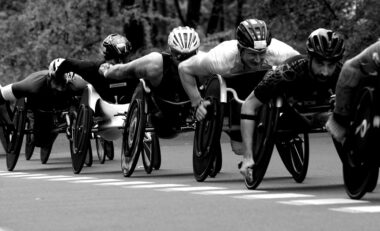
Adaptive fitness workshops provide an incredible opportunity for individuals with disabilities to gain essential skills and insights required for competition. Focused on fostering talent and inclusion, these events offer tailored training programs that meet various physical needs. Participants engage in various adaptive exercises, including strength training, flexibility activities, and cardiovascular routines. The workshops not only aim to enhance physical abilities but also concentrate on developing mental resilience and confidence. Through expert guidance, athletes learn how to overcome personal obstacles and achieve their fitness goals. They gain access to experienced trainers and unique adaptive equipment designed to ensure safety and effectiveness. Importantly, these workshops create a supportive community where participants can connect and share experiences. This exchange often leads to long-lasting friendships, encouragement, and motivation. Additionally, workshops can include seminars on nutrition, mental health, and goal setting, which are vital components of any competitive athlete’s journey. Those who attend these workshops leave feeling inspired and empowered, ready to pursue their competitive dreams, and ultimately, to foster a culture of inclusivity and achievement in the world of adaptive sports.
Through adaptive fitness workshops, disabled athletes discover their strengths, learn proper techniques, and appreciate the significance of teamwork. Workshops often feature group sessions that encourage collaboration among participants. These group activities allow athletes to motivate and provide constructive feedback to each other, enhancing their performance and camaraderie. The importance of peer interaction cannot be underestimated; it builds a sense of community and belonging among adaptive athletes. Moreover, skilled trainers are present to conduct tailored individual assessments, offering specific recommendations to optimize personal growth. The workshops are designed to accommodate various skill levels, ensuring that everyone, from beginners to seasoned athletes, can benefit accordingly. As participants master new skills, they also learn to adapt to challenges and persevere through setbacks. With each session, athletes track their progress, celebrating milestones along the way. An integral part of this journey is the opportunity to participate in competitions following training workshops. As athletes prepare for these events, the stimulating environment fosters motivation, ambition, and a shared passion for excellence. Workshops, therefore, serve as foundational experiences that propel athletes toward personal and competitive success.
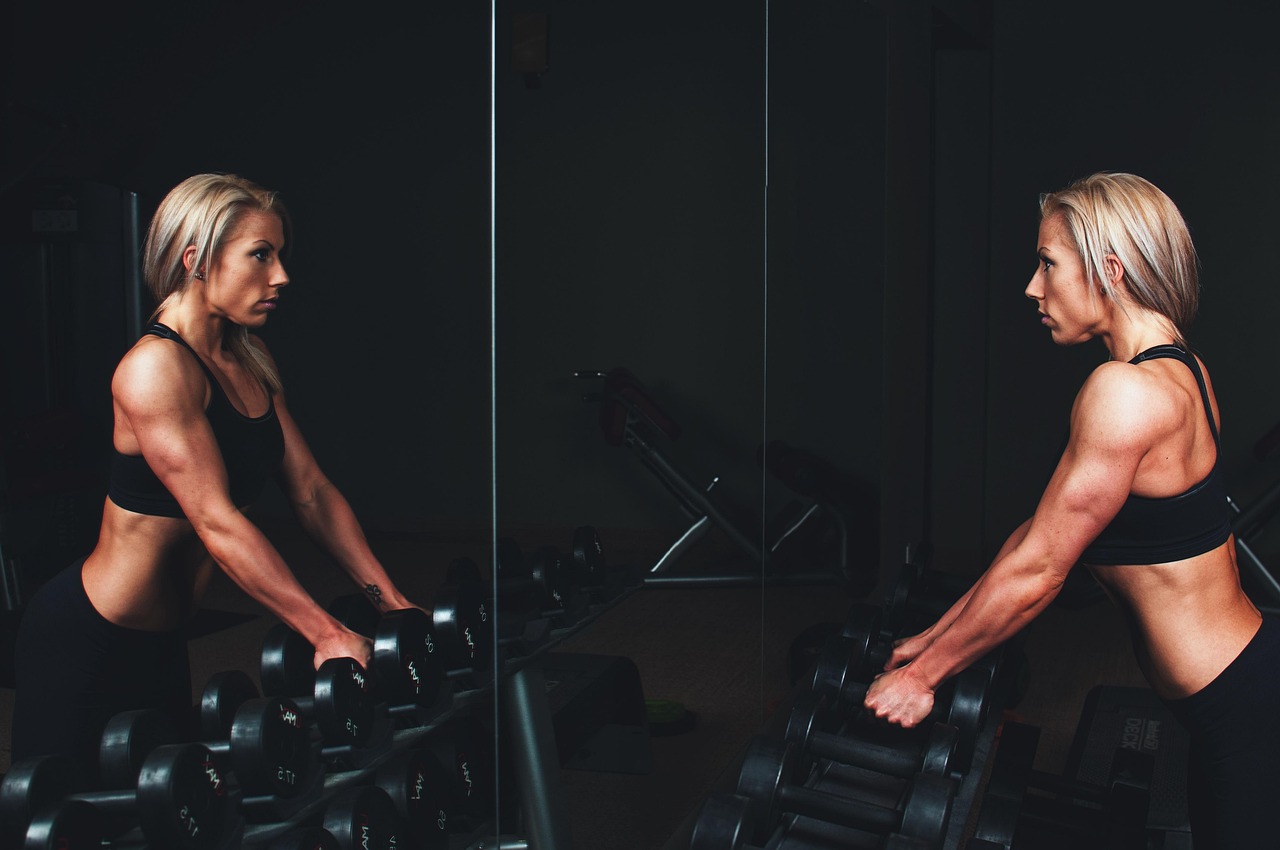
One notable aspect of adaptive fitness workshops is the availability of modified training equipment. Equipped with specialized tools, these events enable participants to engage in exercises that promote strength and endurance while ensuring safety. For instance, modified weights, stable benches, and adaptive bikes are often made available to address a diverse range of physical abilities. This tailored approach allows participants to engage in routines that align with their capabilities, maximizing the workout experience. Additionally, workshops frequently incorporate technological advancements to enhance training. Wearable devices, mobile apps, and virtual platforms can provide real-time feedback and analytics to participants. This data-driven approach allows athletes to monitor progress and adjust their techniques for improved outcomes. Furthermore, adaptive fitness workshops may also invite specialists to discuss injury prevention and recovery strategies. This knowledge equips athletes with essential tools to maintain their physical health. By integrating accessible technology and expert knowledge into the training process, participants are empowered to take ownership of their fitness journeys. Adaptive fitness workshops can truly democratize the athletic experience, offering inclusive access to resources that promote active lifestyles and foster the potential of every individual.
The Role of Community in Adaptive Fitness
The community aspect within adaptive fitness workshops is crucial in fostering an inclusive environment. Participants often find motivation and encouragement in their peers, creating a warm atmosphere of camaraderie. These workshops act as a safe space where individuals can share their stories and experiences freely. Empowering narratives are frequently shared among participants, leading to bonding and strengthening relationships. This sense of belonging can enhance self-esteem and encourage individuals to set and achieve their fitness goals. Family and friends are often encouraged to attend workshops, further promoting enthusiasm and support for athletes. Through competition and shared aspirations, families can better understand each athlete’s journey, increasing awareness and understanding of disabilities. The collaborative nature of these workshops extends beyond exercise, encompassing socialization, team-building, and emotional support. Workshops can sponsor additional community events, such as local races or social gatherings, blending fitness with fun. This ongoing engagement transcends the initial workshop, ensuring lasting connections and themes for participants. Ultimately, community-building is a fundamental component of adaptive fitness workshops, increasing the likelihood of sustained participation and long-term commitment to fitness pursuits.
As adaptive fitness workshops continue to evolve, the inclusion of technology presents new avenues for participant engagement. Online platforms enable disabled individuals to access resources, training, and coaching from home. Virtual workshops have become a valuable asset for those unable to attend in person, ensuring everyone can benefit from adaptive techniques and expert advice. Video demonstrations, webinars, and online discussion forums facilitate knowledge-sharing and connection. These platforms allow athletes to engage with their coaches regardless of geographic barriers, enhancing accessibility. Furthermore, this technological adaptation nurtures an environment of continuous learning. Participants can view performance analytics, individualized workout plans, and receive feedback tailored to their capabilities. Also, social media provides an opportunity for attendees to share their successes, challenges, and experiences with a broader audience. Many use social platforms to inspire others and foster greater awareness about adaptive fitness. Indeed, as the digital landscape expands, adaptive fitness workshops increasingly reflect this evolution, encouraging greater participation and breaking down barriers. Technology not only transforms traditional training methods but also strengthens community bonds among individuals united through shared fitness goals and passions.
To adapt and sustain interest during workshops, organizers frequently update the curriculum to include a variety of activities. Including diverse fitness modalities ensures that training remains engaging and effective. From yoga and martial arts to strength training and aerobic exercises, workshops can introduce exciting elements that cater to different interests. This variation encourages participants to explore their athletic potential continuously. Moreover, allowing athletes to have a say in the workshop content creates feelings of ownership and empowerment. Feedback sessions enable facilitators to identify desires and preferences, leading to tailor-made training experiences. Such incorporation not only keeps workshops dynamic but ultimately leads to better results. Team-building exercises, mentorship pairings, and small group challenges are also routinely integrated to heighten the sense of competition among participants. Healthy rivalry often motivates athletes to push their limits further, resulting in personal growth and achievement. Workshops can culminate in showcase events, where participants display their skills, fostering community pride and celebration. Therefore, continuous innovation remains critical to maintaining engagement in adaptive fitness workshops, evolving to meet the needs of athletes and promoting their success in both training and competition.
Conclusion: Empowering Adaptive Athletes
In conclusion, adaptive fitness workshops are instrumental in empowering individuals with disabilities in their quest for fitness and competition. These events provide essential skills, foster community connections, and inspire personal growth among participants. Through innovative training methods, tailored experiences, and the core values of inclusivity, adaptive workshops hold the key to unlocking individual potential. By incorporating advanced technology and diverse fitness options, organizers ensure relevance and engagement throughout the process. Importantly, fostering a sense of community strengthens bonds among participants, facilitating lasting friendships and ongoing support. Adaptive fitness workshops create an all-encompassing atmosphere that inspires individuals to pursue their athletic goals unapologetically. As disabled athletes continue to break barriers and reimagine possibilities, these workshops stand at the forefront, driving societal change in the perception of disabilities and promoting equal opportunities within sports. By celebrating victories together, sharing stories, and continuously evolving, adaptive fitness workshops solidify their role in paving pathways for success. Ultimately, all who participate in adaptive fitness workshops contribute to a brighter future for inclusive sports, and together, they can make an indelible impact on individual lives and the world at large.