
The Importance of Hydration during Outdoor Workouts
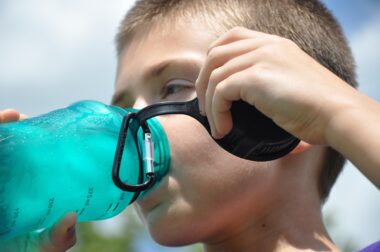
Outdoor workouts are popular among fitness enthusiasts, offering a refreshing alternative to indoor routines. However, the significance of proper hydration during these activities cannot be underestimated. When engaging in outdoor exercises, our bodies lose water through sweat. This loss can lead to dehydration, impacting performance and overall health. To ensure optimal hydration, it’s crucial to drink water before, during, and after workouts. The amount varies based on intensity, weather, and individual needs, but keeping water accessible helps maintain an adequate fluid balance. Dehydration can result in several adverse effects, including fatigue, decreased endurance, and muscle cramps. By staying hydrated, you not only boost your energy levels but also enhance your concentration, ensuring that you can perform tasks effectively. Carrying a reusable water bottle is a simple yet effective strategy to stay hydrated. Aim to drink at regular intervals rather than waiting to thirst, which is a delayed signal of the body’s needs. Educating oneself about hydration can lead to better health outcomes and a more enjoyable outdoor workout experience.
Benefits of Staying Hydrated
The benefits of staying hydrated during outdoor activities are multifaceted. First and foremost, hydration plays a crucial role in regulating body temperature. Working out in hot environments can lead to overheating, causing significant strain on your cardiovascular system. Adequate hydration ensures that the body can cool itself effectively through perspiration. Moreover, when muscles are well-hydrated, they can perform optimally, reducing the risk of cramps or strains. Hydration also contributes to better joint lubrication, enhancing flexibility and preventing injuries. This is particularly vital for those engaging in high-impact sports or weight-bearing exercises. In addition, proper hydration supports cognitive function, essential for activities that require precision and coordination. The effects of dehydration can manifest as dizziness, headaches, or a general feeling of lethargy. To maximize these benefits, consider infusing your water with electrolytes, especially during extended outdoor workouts. Electrolytes like sodium, potassium, and magnesium help replenish what is lost through sweat, ensuring effective hydration. Adjusting hydration strategies based on the intensity and duration of your workout enhances performance and stamina significantly.
Planning your hydration strategy can make a substantial difference in outdoor workouts. Begin by assessing your sweat rate, a crucial indicator of hydration needs. A simple way to gauge this is by weighing yourself before and after a workout. Each pound lost corresponds to approximately 16 ounces of fluid loss. In hotter conditions, this number may increase, requiring additional fluid intake. It is advisable to consume about 500-700 milliliters of water one to two hours before exercising. During workouts lasting longer than an hour, it’s recommended to drink 7-10 ounces every 10-20 minutes. For high-intensity workouts or prolonged sessions, incorporating sports drinks can help maintain glycogen stores and electrolyte balance. After your workout, rehydration is critical. Consuming fluids replenishes lost electrolytes and rehydrates tissues damaged during exercise. A recovery drink can be beneficial during this period, optimizing recovery while supporting muscle repair. It’s also essential to balance water intake with food consumption, as fruits and vegetables contribute to hydration levels. Particularly beneficial are cucumbers, oranges, and watermelon, which provide substantial hydration alongside essential nutrients.
Outdoor workouts can bring enjoyment and serenity, but they also come with challenges. For individuals participating in outdoor activities, understanding the potential risks associated with heat and hydration is vital. Heat exhaustion and heatstroke are serious conditions tied to dehydration. Symptoms may include headaches, dizziness, and muscle cramps, requiring immediate attention. Knowing the signs of dehydration can help you take preventive measures. To manage heat exposure effectively, consider working out during cooler parts of the day, like early mornings or late evenings. Moreover, wearing light, breathable clothing aids in maintaining body temperature, enhancing comfort during exercise. When exercising outdoors, one should also consider the environmental factors influencing hydration needs. High altitudes and low humidity levels can increase fluid loss. Therefore, it’s prudent to keep an eye on weather conditions, adjusting your hydration accordingly. Remember, hydration isn’t just a one-time consideration but an ongoing commitment, especially during outdoor workouts. Regularly monitoring your hydration levels can help you stay in control of your well-being and achieve your fitness goals, making outdoor workouts both safe and enjoyable.
Common Misconceptions about Hydration
Many misconceptions surround hydration, particularly during exercise. One prevalent myth is that being thirsty is sufficient evidence of adequate hydration. In reality, thirst is often a sign that you’re already somewhat dehydrated. Moreover, the belief that only water is adequate for hydration is misleading. While water is essential, during intensive workouts, your body requires replenishing electrolytes as well. Sports drinks can provide beneficial carbohydrates and electrolytes essential for maintaining energy and hydration. Another common misunderstanding is that caffeine in beverages like coffee can contribute to dehydration. Though caffeine has mild diuretic properties, moderate caffeine consumption does not lead to significant dehydration when balanced with adequate water intake. Staying informed about hydration helps in making better choices for health and performance. For those participating in outdoor sports, considering individual characteristics, including body size, climate, and workout intensity, will lead to more personalized hydration strategies. Adopting a scientifically informed perspective on hydration can enhance your outdoor workout experience and ensure optimal performance and recovery.
Technology plays a valuable role in promoting proper hydration among outdoor enthusiasts. Numerous applications are designed to track water intake, reminding you to stay hydrated throughout the day. These apps often allow users to set daily hydration goals, helping maintain consistency in fluid intake. Additionally, some smart water bottles monitor fluid consumption, providing insights into hydration habits. Pairing technology with a proactive hydration strategy can significantly enhance your outdoor experience, ensuring you remain energized. Moreover, advancements in water filtration systems allow outdoor enthusiasts access to safe drinking water over long distances, reducing reliance on store-bought bottled water. This is particularly handy during hiking excursions or camping trips. Investing in portable water filters or purification tablets can enable you to hydrate without worrying about the quality of your water source. Hydration packs are another innovative solution, designed for outdoor activities such as biking or running. They provide easy access to water without interrupting your workout. The increasing awareness of sustainability makes using refillable bottles and hydration packs an eco-friendly choice that benefits the environment while promoting health.
Maintaining hydration during outdoor workouts is not just a suggestion; it’s a necessity. Outdoor activities can pose various physical challenges, and hydration is a critical aspect of performance and safety. By understanding your individual hydration needs and acknowledging external factors like weather conditions, you can create an effective hydration plan for any activity. Remember, while participating in outdoor workouts, don’t underestimate the power of planning and preparation. Carry enough fluids and learn to recognize your body’s signals to ensure optimal hydration. This proactive approach not only enhances your performance but also adds to the enjoyment of outdoor workouts. With hydration as a focal point of your fitness routine, you can improve your health outcomes, reduce recovery time, and achieve your fitness goals. Whether you choose to engage in hiking, biking, or any other outdoor activity, prioritizing hydration will lead to enjoyable experiences and long-term benefits. Make sure that you incorporate regular hydration strategies into your workout plans, and always stay aware of your body’s needs during outdoor workouts. Your future self will appreciate the dedication to your well-being and fitness.
The final thought on hydration is that it should be seen as an integral part of any outdoor workout routine. There’s an undeniable connection between hydration and performance, evident in all types of fitness activities. Implementing a solid hydration plan that addresses your personal needs means equipping yourself with the best chance for success during outdoor adventures. Consider keeping a detailed hydration journal, noting fluid intake and any related effects on your exercise performance. Over time, analyze this data to refine your strategies and establish optimal hydration habits tailored to your activities. Such data can lead to incredible improvements in stamina and energy levels. Furthermore, understand that staying hydrated isn’t only about the calories or electrolytes consumed but also about maintaining a balanced overall diet. A nutritious diet is complemented by proper hydration, significantly impacting your two performance and recovery processes. Enhancing your hydration practices can contribute to a more fulfilling outdoor workout experience. In conclusion, embrace the importance of hydration during outdoor workouts as essential to your health. Start today; take active steps to ensure that hydration is always prioritized on your fitness journey, helping you achieve your goals in a healthier way.