
The Role of Sensors in Monitoring Pilates Posture and Movement
In the world of fitness, technology has made significant inroads, especially with Pilates. The integration of sensors in Pilates equipment enables practitioners to monitor their posture and movements closely, thereby enhancing their practice. These sensors provide real-time feedback on body alignment, which is vital for preventing injuries. By using wearable devices, users can track their performance metrics, such as repetitions, the duration of holds, and intensity of movements. This data allows instructors and trainees alike to analyze and adjust each session more effectively. Furthermore, innovative Pilates machines equipped with built-in sensors offer personalized training experiences, adapting to an individual’s progress. The use of such technology not only aids in maintaining proper form but also encourages users to push their limits safely. This focus on biometrics can be particularly beneficial for those recovering from injuries or managing chronic conditions. Modern Pilates equipment featuring integrated sensors empowers users to connect more deeply with their bodies, fostering a greater understanding of technique and control. In this evolving landscape, the integration of technology is paving the way for a more informed approach to fitness and well-being.
Custom feedback facilitated by tech-enhanced equipment creates ample opportunities for improvement. Sensors collect data that reveal deviations from ideal alignment, allowing instructors to provide specific and actionable feedback. When used effectively, this information can create personalized workout regimens tailored to individual goals and needs. For instance, someone focusing on core strength may receive alerts when their technique falls short, enabling immediate correction. The gamification aspect of this technology also motivates participants, as they can visualize their progress through apps connected to their equipment. This plays a huge part in maintaining motivation, as practitioners witness measurable outcomes from their efforts. Additionally, the data tracking allows for identifying weaknesses and strengths over time, influencing future workout plans. By incorporating sensor technology into Pilates, practitioners ensure they are not only exercising but also practicing with purpose. The enhanced accountability that comes with data-driven fitness resonates well with a modern audience increasingly reliant on technology. Integrating sensors into Pilates routines allows users to understand their capabilities better, resulting in a safer and more enjoyable experience overall. This evolution paves the way for broader acceptance of fitness tech in holistic training regimes.
The Importance of Data in Pilates Training
Data-driven insights from sensors significantly enhance the Pilates experience. When practitioners can visualize their performance metrics, they gain a clearer understanding of their progress over time. Sensors are capable of capturing vital data points, such as range of motion, balance, and endurance throughout each session, thereby revealing critical patterns. Such information is invaluable for instructors, as it helps create targeted training plans that directly address a participant’s unique challenges and aspirations. Furthermore, this insight can be shared through connected devices, fostering communication between clients and trainers beyond studio walls. This continuity encourages accountability and allows for flexible training adjustments based on observed outcomes. Monitoring one’s performance through such technology can be incredibly empowering, giving users the confidence to set and achieve fitness goals efficiently. These rich metrics play a crucial role in the personal development of students, particularly when focused on progressive challenges. As individuals become increasingly aware of their body mechanics, they can refine their movements, leading to more effective practice. Therefore, the role of data in Pilates training not only enhances the quality of workouts but also empowers users to take control of their fitness journeys.
Moreover, technology not only serves to analyze performance but also to enrich the overall Pilates experience. Many tech-enhanced Pilates tools come equipped with interactive interfaces that guide users through exercises. This capability offers an innovative approach, allowing users to learn new techniques at their own pace. For instance, virtual instructors can provide cues and tips during practice, ensuring that users remain engaged and informed throughout their workout. Coupling such interactive elements with sensor feedback creates a comprehensive training experience. Users can approach each session with increased confidence, knowing they have access to real-time guidance. Additionally, the blend of technology with traditional Pilates emphasizes a more holistic method to fitness. As practitioners grow more comfortable with their movements and techniques, they develop a deeper mind-body connection imperative for Pilates success. This deeper understanding cultivates a sense of accomplishment, motivating individuals to maintain a consistent practice. The evolution of Pilates into a tech-enhanced discipline exemplifies the future of fitness, where innovation meets tradition to create thoughtful and effective exercise regimens.
Enhancing Group Classes with Sensors
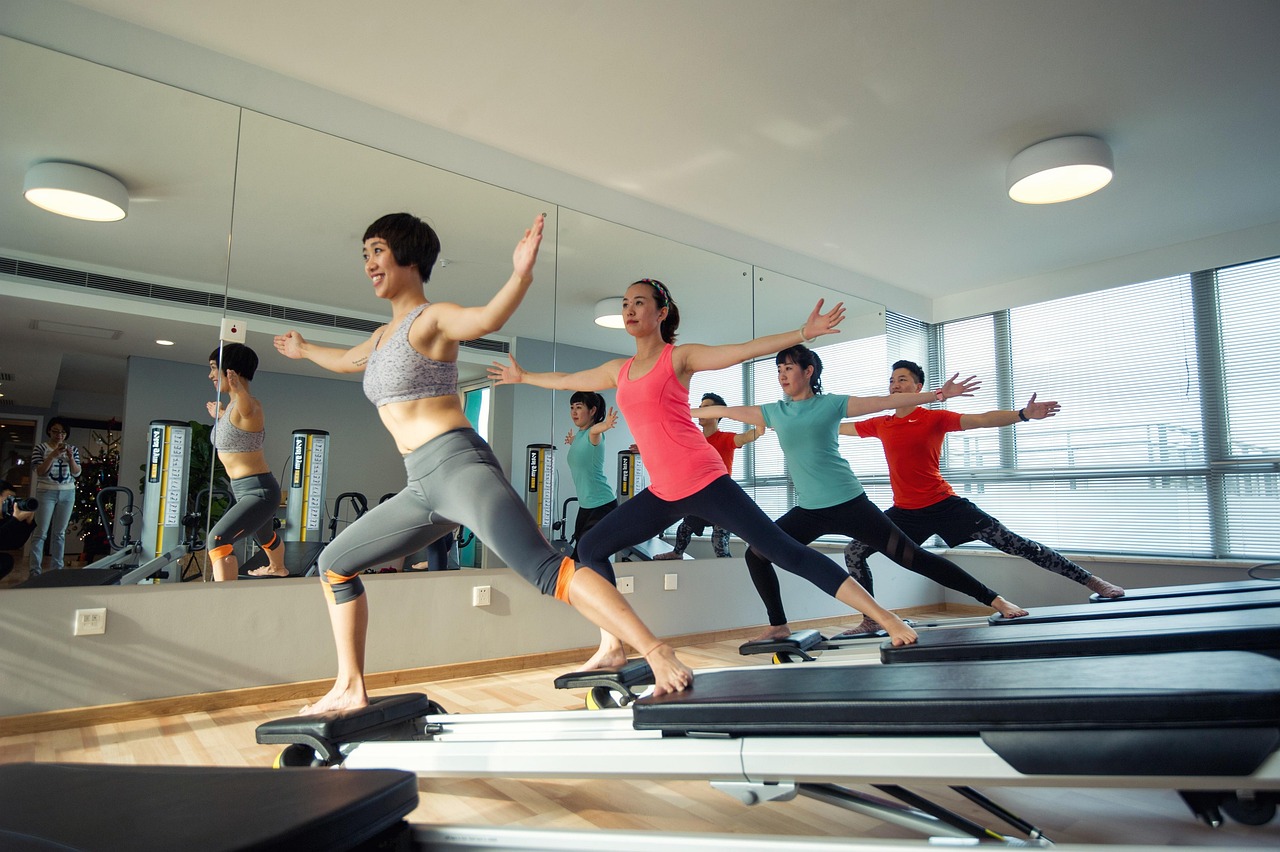
Group classes stand to gain significantly from the introduction of sensor technology. In settings where multiple practitioners engage in synchronized movements, sensors can help ensure that everyone maintains the correct posture and alignment. In this scenario, instructors can effortlessly monitor various participants simultaneously, providing immediate feedback to those who may need additional guidance. This not only enhances safety but also fosters a supportive environment where individuals feel seen and valued. Furthermore, group dynamics often create a strong motivational backdrop, and sensor data can promote healthy competition within the class. Participants aiming to improve can strive to surpass their peers, driven by insights from their performance metrics. Additionally, the sense of community that arises in these enriched group settings encourages a collaborative atmosphere. Everyone shares their journeys, celebrating improvements collectively while pushing each other towards their health goals. The combination of social interaction and technology leads to meaningful connections and growth among practitioners. Ultimately, integrating sensors into group Pilates classes offers an exciting evolution, where participants not only work on their fitness but also unite in support and encouragement.
Interestingly, sensors also play a role in injury prevention and rehabilitation in Pilates practice. Dedicated individuals often push their limits, sometimes to detrimental effect. With the monitoring capabilities woven into tech-enhanced machines, practitioners have a reduced risk of injury due to immediate alignment alerts. Such technology can be especially beneficial to those new to Pilates or with a history of injuries. These users can proceed with confidence, relying on the feedback from sensors to guide their movements appropriately. Additionally, rehabilitation specialists can use this technology to rehabilitate patients following injuries or surgeries. Utilizing Pilates as a therapeutic outlet has been shown to improve overall strength and flexibility, and sensors can help clinicians track patient progress effectively. This data becomes critical in assessing what movements may need modifications, thereby ensuring a safe and supportive rehabilitation process. Embracing technology in this context has the potential to revolutionize both injury prevention and recovery, bridging the gap between fitness and rehabilitation. With sensors monitoring the journey, users can feel empowered to achieve their fitness goals without the fear of setbacks.
Future Directions for Pilates Technology
As we glance into the future, the potential of technology in Pilates remains vast and largely untapped. With advancements in artificial intelligence and machine learning, we can anticipate further enhancements in personalized training. A future where Pilates equipment can predict a user’s performance based on past data is not far-fetched. Such capabilities would lead to more tailored sessions, with machines adjusting resistance levels based on a user’s strengths or fatigue levels. Moreover, integrating virtual reality systems can invigorate the Pilates experience, allowing users to practice in immersive environments. This embodiment of technology not only enhances the engagement factor but also makes workouts more enjoyable and motivating. Additionally, as digital wearables become more sophisticated, the interconnectivity between devices will vastly improve, facilitating seamless data sharing across platforms. This interconnected ecosystem may allow users to explore diverse holistic approaches to health, incorporating nutrition, mindfulness, and recovery into their practice. The future of Pilates is indeed promising, and as technology continues to evolve, practitioners will discover new methods to deepen their connection with the discipline and their bodies.
In summary, the assimilation of sensor technology into Pilates practice marks a transformative phase in fitness. Enhanced monitoring promotes safer practices, personalizes training experiences, and fosters community. As practitioners embrace technology, they further unlock the potential of their Pilates journeys, cultivating a deeper understanding of their physical capabilities. From rehabilitation insights to interactive group classes, the benefits are numerous and far-reaching. The prospects for future advancements, including AI integration and virtual environments, are thrilling. These innovations will undoubtedly redefine how Pilates is practiced, ensuring a more profound connection between the practitioner and their craft. Engaging in tech-enhanced Pilates offers a holistic approach to fitness that combines tradition with cutting-edge innovation. The unison of sensors and human movement creates a powerful synergy, ultimately enhancing health and wellness. Those who embark on their Pilates journey with the aid of technology will find a rewarding blend of knowledge, empowerment, and performance enhancement. As this exciting era unfolds, both fitness enthusiasts and professionals will reap the rewards of an enriched, data-driven practice.