
Common Mistakes Beginners Make and How to Avoid Them
Swimming, while exhilarating and refreshing, can also present challenges to beginners. One pervasive error newcomers make is disregarding proper technique. Beginners often focus solely on getting from one end of the pool to the other, neglecting form. This can lead to inefficient strokes and increased fatigue. To combat this mistake, it is vital to learn and practice techniques under the guidance of a trained instructor. Another common pitfall is swimming without an adequate warm-up. Skipping this critical step can result in muscle strains and injuries. Warm-ups prepare your body for the physical demands ahead. Spending just ten minutes stretching and performing light exercises can significantly enhance performance. Additionally, many novices underestimate the importance of breathing. Swimming without a consistent breathing pattern can lead to panic and exhaustion. Practicing rhythmic breathing can help create a smoother experience, allowing for continuity in strokes. Beginners should also consider their swim gear. Wearing poorly fitting suits or goggles can lead to discomfort and distraction. Choosing the right gear will improve focus and increase confidence in the water. Implementing these practices will foster a more enjoyable swimming experience.
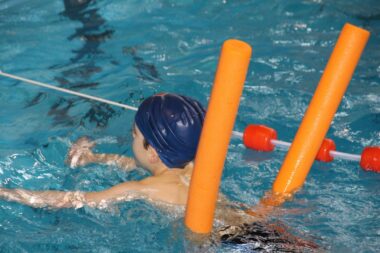
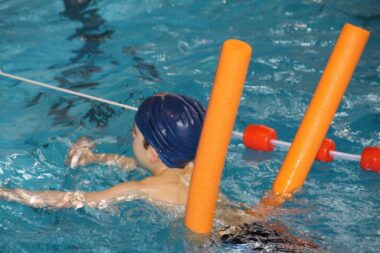
Another frequent mistake beginners make is not seeking feedback from others. It can be hard to assess personal progress accurately. Feedback is critical for improvement. Observations from experienced swimmers or instructors can help identify flaws in technique that may go unnoticed. Also, some beginners rely too heavily on flotation devices. While these aids can provide initial support, excessive dependence may hinder advancement to independent swimming. Active participation in swimming classes encourages the development of skills without these aids. Many newcomers neglect nutrition and hydration, which play vital roles in performance and stamina. Consuming a balanced meal before swimming ensures adequate energy levels. Furthermore, staying hydrated is essential for maintaining performance. Beginners showing up fatigued or dehydrated may cut their practice short and miss valuable learning opportunities. Time management is another area where beginners often struggle. Setting realistic goals and schedules can profoundly impact improvement. Swimming regularly, even for short sessions, yields better results than sporadic, longer visits to the pool. Practicing consistency in the pool is crucial for skill development. Staying organized in practice schedules helps avoid frustration and generate fulfilling outcomes over time. Overall, mindful swimmers benefit from structured approaches to their routines.
Neglecting Safety Measures
Safety should always be a priority, especially for beginners. Many new swimmers underestimate the risks involved in swimming, particularly if they aren’t comfortable in the water. Failing to understand their limits can lead to dangerous situations. Always swimming in designated areas under the supervision of a lifeguard is essential. Also, beginners should never swim alone. Having a buddy system ensures safety and support. Furthermore, many novices overlook the hazards posed by diving into unknown waters. Beginners should refrain from diving headfirst into unfamiliar locations without checking for depth and potential obstructions. To promote safety, it is best to perform a thorough check of the swimming area. Other dangers involve conditioning to various water temperatures. Sudden immersion into cold water can result in shock, so entering gradually is wise. Wearing appropriate swim gear can also mitigate health issues related to temperature. Always familiarize yourself with the swimming environment and its risks. Knowledge of local conditions helps ensure that a few basic safety protocols bring about a positive swimming experience. This understanding fosters not only skill enhancement but also builds confidence and enjoyment in the water.
Another common mistake is neglecting to monitor one’s own physical condition. Every swimmer’s body is unique and may respond differently to exercise. Pushing through fatigue or discomfort can lead to injuries, especially for beginners lacking stamina. It is essential to listen to your body, which may signal the need for a break. Establishing a realistic training plan is another key aspect to consider. Overambitious swimmers may jump into intense workouts without a strong foundation. This often results in burnout and may hinder progress. Gradually increasing intensity helps build endurance over time. Be mindful of the importance of cross-training as well. Incorporating other exercises, such as running or cycling, can enhance overall fitness levels. This balance significantly aids swimming performance. Also, focusing solely on repetitive laps may lead to boredom, which can dampen motivation. Mix up the routine with different stroke techniques and drills for a more engaging experience. Incorporating variations can also prevent injury by working different muscle groups. This focus on variety will create an enjoyable and fulfilling swimming practice while avoiding common pitfalls that accompany overtraining. Embracing variety fosters resilience, determination, and improvement.
Ignoring Recovery
Recovery is an integral part of any training routine that beginners often overlook. After intensive swimming sessions, muscles need time to heal and strengthen. Skipping recovery measures can lead to fatigue and decreased performance. Incorporating rest days into practice schedules is crucial for developing endurance while preventing overuse injuries. Many novices are unaware of the advantages of active recovery, which includes light activities such as walking or yoga. Active recovery promotes blood flow to sore muscles, aiding in the healing process. Proper nutrition post-workout plays a significant role in recovery as well. Consuming protein and carbohydrates can reinvigorate energy levels necessary for training. Hydration is just as essential to recovery; replenishing fluids lost during swimming is vital. Beginners also need to be mindful of their sleep habits, as quality rest directly impacts performance. Establishing a regular sleep routine can aid recovery significantly. Ignoring the importance of recovery can lead to setbacks in progress. By integrating these strategies into their swimming habits, newcomers can enhance their performance and overall enjoyment of the sport. Understanding that rest is as necessary as practice can lead to long-term success.
Lastly, many beginners fall victim to comparing themselves to others. Swimming is a personal journey and everyone progresses at their own rate. Fostering a positive mindset is essential for personal growth. Instead of fixating on the speed or ability of fellow swimmers, embracing individual achievements can encourage motivation. Beginners often set unrealistic expectations, leading to feelings of frustration and disappointment. Setting small, attainable goals ensures a sense of accomplishment. Tracking personal progress helps maintain motivation and highlights improvements over time. Connecting with a supportive swim community can bolster morale and enthusiasm. Surrounding oneself with positive influences fosters a healthy learning environment. Joining local swim groups or classes creates opportunities for social interaction and shared learning experiences. It also promotes accountability, keeping swimmers committed to their goals. Reaching out to fellow swimmers for tips and support can enhance overall skill development. Remember, every swimmer is unique. The ultimate goal should be personal growth and enjoyment in the water. Recognizing that everyone struggles at some point creates empathy and camaraderie. In this way, swimming shifts from a competitive endeavor to a shared journey of growth and discovery.
Conclusion
In conclusion, swimming for beginners requires an understanding of common mistakes and strategies to avoid them. Emphasizing proper technique, safety, and recovery fosters a smooth learning experience. It is important for newcomers to recognize the significance of seeking feedback, wearing appropriate gear, and managing expectations. Establishing a consistent and enjoyable practice routine enhances skill development while preventing burnout. Ultimately, embracing the journey of swimming allows for personal growth and enjoyment. Beginners should remember that every experience in the water is an opportunity to learn and improve. Incorporating these suggestions into practice habits will undoubtedly lead to a more fulfilling swimming experience. So, whether you’re just starting or looking to refine your skills, being mindful of these considerations will keep progress on track. Every swimmer starts somewhere, and dedication will lead to improvement over time. With patient persistence, success in swimming is achievable. As you focus on your goals, swimming becomes not only a physical challenge but also a source of joy and relaxation. Make the most of your swimming journey and enjoy every moment spent in the water.