
Safety Considerations in Senior Fitness to Prevent Sleep Disruption
As seniors age, their bodies undergo various changes that can impact sleep quality substantially. Engaging in fitness routines is essential for maintaining overall health and enhancing sleep quality. However, certain precautions must be taken to create safe and effective workout plans tailored to seniors. These precautions can prevent injury and ensure that physical activity contributes positively to their sleep patterns. One key consideration is the environment where the exercise takes place. Keeping a clean, uncluttered space can reduce the risk of falls or accidents that could disrupt sleep. Additionally, seniors should invest in appropriate footwear equipped with good support, which offers stability during workouts. Finding exercises that align with the individual’s capabilities is crucial, thereby incorporating flexibility and strength training. Also, considering the time of day to exercise can significantly affect sleep. Early morning workouts can contribute to alertness, while evening sessions can energize and possibly disrupt sleep later. Therefore, scheduling workouts to allow ample time for relaxation before bedtime is advisable.
Another important aspect of senior fitness is hydration, particularly in relation to sleep quality. Many seniors may overlook their hydration needs during physical activity. It is essential to encourage adequate liquid intake before, during, and after exercise. Dehydration can lead to discomfort and disruptive sleep patterns. Offering options such as water, herbal teas, or electrolyte-infused drinks can provide seniors with enjoyable hydration choices. Also, ensuring senior participants understand the warning signs of dehydration is vital. For example, seniors should be made aware that increased thirst, extremely dark urine, and fatigue can indicate dehydration. It might be beneficial to create hydration reminders during workouts. Taking regular breaks for water not only helps to maintain hydration but also fosters social interaction among participants, potentially enriching the fitness experience. A well-hydrated body can function optimally, supporting better physical performance and, subsequently, better sleep. Moreover, discussing the importance of proper nutrition alongside physical activities can also play a significant role in improving sleep hygiene. Balanced meals help stabilize energy levels, promoting better sleep at night.
Individualizing Fitness Programs
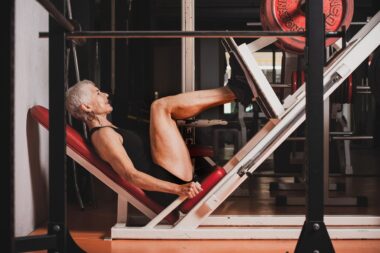
Incorporating individualized fitness programs is essential for the safety and well-being of seniors. Each senior may have unique health conditions or limitations that necessitate customized approaches. Before initiating any fitness regimen, it is crucial to conduct thorough assessments. Consulting healthcare providers or physical therapists can support seniors in identifying appropriate exercises and setting realistic goals. Conducting gentle and low-impact activities, such as walking, swimming, or yoga, can maximize safety while enhancing overall fitness and flexibility. Additionally, it may be beneficial to monitor progress regularly, making adjustments as necessary. As seniors see their progress, their confidence levels can rise, catalyzing further engagement in physical activities. On the other hand, inactivity may lead to increased discomfort and restless nights. Thus, designing various fitness programs that accommodate different fitness levels while focusing on proper technique can significantly enhance safety. Utilizing support equipment, such as resistance bands or light weights, can facilitate gradual strength building without overexertion. Therefore, individualized fitness programs are instrumental in fostering a safe and effective approach to senior fitness.
Implementing a proper warm-up and cool-down routine is essential for seniors as part of their fitness regimens. Before any physical activity, warm-up exercises help prepare the body, reducing injury risks while enhancing exercise efficacy. Seniors can engage in light stretching or gentle mobility exercises, which increase blood flow to muscles and joints. In contrast, cool-down routines can aid in recovery by gradually lowering heart rates and promoting relaxation. Effective cool-down exercises can include slow walking followed by deeper stretches. For seniors, incorporating these routines into their fitness plans is paramount as they can significantly enhance flexibility and joint health. The benefits of regular stretching cannot be overstated; improving range of motion can mitigate stiffness that often contributes to poor sleep quality. For safety, it may be advisable to offer guided sessions led by knowledgeable instructors who can provide modifications tailored to individual needs. Access to resources such as educational workshops or printed materials can also serve as reminders of the importance of these routines. With appropriate warm-up and cool-down practices, seniors can engage in fitness safely while improving their overall health and sleep.
The Role of Group Activities
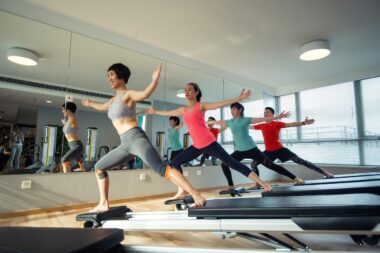
Encouraging group activities can significantly enhance the safety and enjoyment of fitness for seniors, promoting a supportive and engaging environment. Participating in group exercises not only fosters social connections but can also motivate seniors to maintain consistency in their fitness routines. Exercise classes designed specifically for older adults can create an atmosphere of encouragement, helping individuals feel less intimidated. Programs like water aerobics, tai chi, or dance can engage seniors without overly straining their bodies. Within these group sessions, instructors can oversee participants, ensuring each individual executes movements correctly to avoid injuries. Furthermore, having peers nearby can enhance accountability, acting as a motivator for individuals to push through challenging sessions. A sense of community often leads to long-lasting fitness habits. Creating social events centered around fitness can stimulate mental health and encourage overall well-being. Additionally, participants are likely to share experiences and tips to improve sleep quality after engaging in physical activities together. Community fitness events can bridge the gap between physical activity and meaningful social interaction, positively impacting both fitness and sleep.
Understanding sleep patterns and choosing appropriate exercise types relatable to those patterns is essential for maximizing benefits. To promote better sleep quality, consider exploring gentle and calming activities such as yoga or stretching. Others may find relief through more dynamic workouts, like aerobic exercises. It is vital to encourage seniors to select types of fitness that resonate with their personal preferences while also being mindful of their sleeping habits. Ultimately, the goal is to promote relaxation and alleviate any potential stress affecting sleep quality. Seniors should learn how timing factors into fitness routines. Exercising too close to bedtime may overstimulate the mind and body, leading to difficulty falling asleep. However, incorporating lower-intensity workouts earlier in the day may improve evening relaxation. Therefore, offering participants guidance on scheduling workouts relative to their sleep cycles can help them achieve their wellness goals. Including relaxation techniques within fitness regimens can also further support good sleep hygiene. Incorporating breathing exercises and meditative practices can enhance their ability to wind down after a long day and ultimately achieve better sleep.
Education and Support Resources
Finally, providing educational resources on sleep hygiene alongside fitness initiatives can profoundly impact senior fitness programs. Hosting workshops or informational sessions can equip seniors with valuable knowledge about the interconnectedness of physical fitness and sleep quality. These resources should cover essential sleep hygiene practices, such as creating a calming nighttime routine or understanding the physiological impacts of exercise on sleep cycles. Also, providing take-home materials, such as pamphlets or flyers, can serve as reminders for sustaining healthy habits. Moreover, consider partnering with local healthcare professionals who can serve as guest speakers during events, fostering a sense of credibility. Technology can also be harnessed to deliver educational content in a user-friendly manner. Online platforms can offer videos focused on sleep strategies and fitness tips tailored specifically for older adults. This multifaceted approach can provide seniors with all the tools necessary to tackle sleep disruptions effectively. By combining fitness with educational initiatives focused on sleep quality, seniors can embrace a healthier lifestyle, achieving the ultimate goals of enhanced well-being and improved sleep.
In conclusion, focusing on safety considerations in senior fitness is paramount for promoting sleep quality and overall well-being. Addressing concerns such as hydration, individualized programs, and the importance of warm-ups and cool-downs can significantly reduce injury risks. Implementing social aspects through group activities also encourages participation and enhances motivation. Understanding unique sleep patterns allows seniors to navigate their fitness routines effectively while still prioritizing sleep quality. Providing educational resources serves to empower seniors, helping them take ownership of their fitness journeys. When combined, these considerations create a holistic approach to senior fitness that culminates in improved health outcomes. It is essential to cultivate an awareness of how closely linked fitness practices and sleep quality can be. As seniors become more informed and engaged in their fitness, they discover new pathways to enhance their overall well-being. Importantly, a well-structured fitness program serves as a preventive measure against sleep disruption. Creating supportive environments, alongside expert guidance, can lead seniors toward healthier lifestyles. Therefore, taking these safety considerations to heart is vital in preventing sleep disruptions while promoting long-lasting health benefits.