
Progressive Muscle Relaxation: A Simple Technique to Reduce Stress
Progressive Muscle Relaxation (PMR) is a highly effective method for stress management. This technique involves systematically tensing and relaxing different muscle groups throughout the body, which can lead to significant reductions in stress levels. By focusing on the distinction between tension and relaxation, individuals can learn to recognize the physical sensations associated with stress. The practice promotes a deep sense of calm and well-being, making it a crucial skill for anyone dealing with stress. Moreover, it enhances awareness of bodily sensations, leading to improved mindfulness. When practiced regularly, PMR can help mitigate the daily pressures that we often face. This technique is accessible to everyone, without the need for special equipment or extensive training. With a simple commitment to practice, individuals can integrate PMR into their routine. Many people find that dedicating just 10 to 20 minutes a day to this technique yields profound benefits. PMR can complement other stress management strategies, promoting overall mental health and wellness. Additionally, it can enhance sleep quality, improve focus, and foster a positive outlook on life. Incorporating PMR into your daily habit can be transformative.
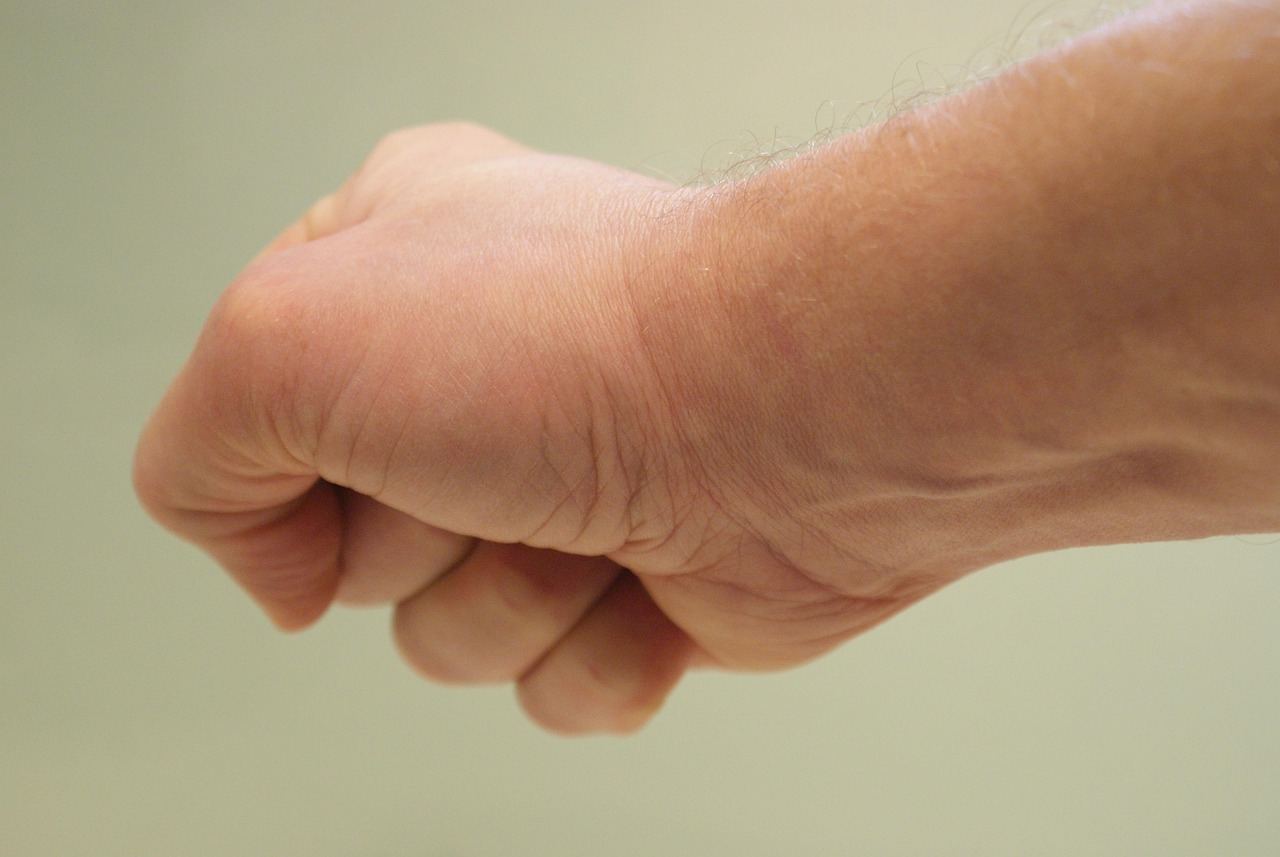
Understanding how to perform PMR requires familiarization with basic principles. Begin by finding a quiet and comfortable space where you can sit or lie down without interruptions. Start at your feet, tensing the muscles tightly for a few seconds, then release the tension and feel how your muscles relax. Progress through your body systematically, moving from feet to head, or choose specific areas of tension to focus on. It’s crucial to breathe deeply during this process, inhaling slowly when tensing and exhaling when releasing the tension. This coordinated breathing enhances relaxation and synchronization of the body and mind. Practicing PMR in a tranquil environment cultivates an atmosphere conducive to relaxation. Many appreciate using guided meditation recordings or apps to enhance their experience. As you practice PMR over time, you may become more attuned to how stress manifests in your body. This awareness enables you to address stressors proactively before they escalate. Keep a journal to record your experiences and feelings before and after each session. Documenting your progress can bolster your motivation and serve as a useful tool for reflection and growth.
For those new to Progressive Muscle Relaxation, it may feel unnatural at first, but with patience and practice, it becomes a valuable resource. In addition to reducing stress, PMR offers numerous physical benefits. Regular practice can alleviate tension, enhance muscle relaxation, and improve overall physical comfort. Engaging in PMR can help address physical ailments, such as headaches, muscle aches, or even anxiety-related symptoms. Many practitioners report improved sleep quality, as the relaxation techniques facilitate a tranquil state of mind conducive to rest. Research supports the effectiveness of PMR in enhancing both mental health and physical well-being. It provides a therapeutic approach to managing the anxiety many encounter in daily life. You might find that incorporating a few minutes of PMR into your pre-sleep routine helps you unwind effectively. Consider pairing PMR with soothing music or nature sounds for an even more calming experience. These elements can create a serene atmosphere, amplifying the relaxation process. Ultimately, PMR is an accessible technique that empowers individuals to take charge of their mental health with minimal effort.
Essential Steps for Effective PMR
The essential steps for performing Progressive Muscle Relaxation are straightforward, making this technique easy to adopt into any daily routine. First, select a peaceful environment, free of distractions, where you can comfortably sit or lie down. Ensure you are wearing loose, comfortable clothing to allow for complete relaxation. Closing your eyes can help you focus more attention on your body. Begin with deep breathing, inhaling slowly through your nose and exhaling gently through your mouth. After this, start at your feet, intentionally tensing the muscles. Hold the tension for five seconds before releasing it. Notice the contrasting feeling of relaxation that follows. Gradually work your way up through your body: calves, thighs, abdomen, chest, arms, shoulders, neck, and finally, your face. After completing the entire sequence, take a moment to enjoy the sensation of relaxation that has spread throughout your body. This focused approach helps clock out your mental chatter, redirecting your attention to the present moment. With practice, you’ll find the technique allows you to unwind quickly in stressful situations.
One of the most appealing aspects of PMR is its flexibility. It can be done virtually anywhere and at any time, making it an excellent tool for modern life. Whether during a break at work or before bed, PMR requires minimal time and effort to achieve meaningful relaxation. Individuals can adjust the routine to suit their schedules and preferences. Moreover, incorporating visualizations can enhance the effectiveness of PMR. For example, envisioning a calming beach or nature scene while performing the muscle relaxations can elevate the experience. This integration can anchor the mind in a soothing mental space, amplifying relaxation further. Additionally, some practitioners combine PMR with yoga or tai chi, complementing its effects by merging physical movement with mental relaxation. Experimenting with different techniques can help identify what resonates best with you. Importantly, maintain a consistent practice routine; even a few minutes daily can lead to substantial benefits over time. By systematically applying PMR, individuals are more likely to cultivate a positive relationship with their bodies, fostering overall mental and physical wellness.
The Benefits of Progressive Muscle Relaxation
The benefits of Progressive Muscle Relaxation extend beyond mere stress relief. Regular practice can enhance emotional regulation and resilience against life’s challenges. Individuals often discover that PMR provides them with tools to manage daily stressors effectively, reducing the transition from stress to overwhelm. This proactive approach to stress management can facilitate better decision-making and improved interpersonal relationships. Additionally, it enhances self-awareness, allowing individuals to tune into their emotional and physical states more closely. By fostering this awareness, PMR can empower individuals to address the root causes of their stress. As tension dissipates, mental clarity and focus improve, contributing to increased productivity in professional and personal spheres. In turn, this heightened sense of control can lead to greater overall satisfaction in life. Moreover, the long-term implementation of PMR can decrease feelings of anxiety and depression, contributing to enhanced quality of life. Many find that improved relaxation leads to deeper, more restorative sleep, amplifying the benefits even further. Users often report feeling more energetic and optimistic, highlighting the transformative effects this simple technique can have on one’s existence.
To get started with Progressive Muscle Relaxation, consider exploring online resources or joining classes focused on relaxation techniques. Many certified professionals offer workshops on PMR, providing guidance for individuals at any skill level. There are also numerous tutorials available on platforms such as YouTube, guiding participants step-by-step through the process. For those who enjoy reads, several books and publications delve into the mechanics and benefits of PMR extensively. Exploring these resources can enhance your understanding of PMR’s underlying principles and techniques. Additionally, many people find journaling their experiences profound, noting improvements in their stress levels and overall mood over time. Tracking your feelings before and after each session can provide insights into how PMR affects you personally. It is crucial to remember that like any new skill, PMR requires practice and commitment. Therefore, be patient with yourself as you develop this technique. Celebrate small victories along the way, and allow each experience to build your capability over time. By integrating PMR into your lifestyle, you’re choosing a path toward a more relaxed, centered, and fulfilling life.
In conclusion, Progressive Muscle Relaxation offers a readily accessible method to reduce stress and enhance well-being. By practicing this technique, individuals can gain better control over their emotional responses and cultivate a profound sense of relaxation. As awareness of bodily sensations increases, people may find themselves better equipped to manage challenges that life presents. With its straightforward approach, PMR stands out as a useful practice that contributes to a holistic lifestyle. Incorporating PMR into daily routines can open the door to numerous benefits, such as improved emotional resilience and enhanced focus. As you embrace this practice, remember to approach it with an open mind and allow yourself room for growth. Consider pairing PMR with other complementary techniques, such as mindfulness or meditation, for a more enriched experience. Ultimately, the realignment of body and mind through PMR enables many to discover greater peace within themselves. Prioritizing mental well-being is essential in today’s fast-paced world. By engaging in PMR, you actively invest in your mental health, nurturing a more balanced, joyful, and fulfilling life.