
Understanding Neuroplasticity: Breakthroughs in Mental Health Treatments
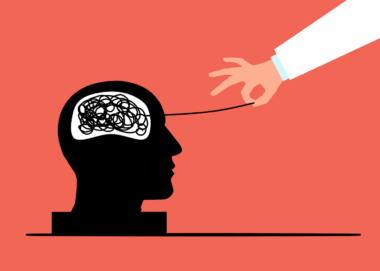
Neuroplasticity is a groundbreaking scientific concept that refers to the brain’s remarkable ability to reorganize itself by forming new neural connections throughout life. This ability is critical for recovery from injuries and adapting to new experiences. Recent studies have highlighted how neuroplasticity can profoundly influence mental health treatments, offering hope for those struggling with disorders like depression, anxiety, and PTSD. Utilizing neuroplasticity in therapeutic contexts often involves various techniques, such as cognitive behavioral therapy (CBT), mindfulness meditation, and physical exercises. Each of these approaches aims to engage and invigorate the brain, promoting healing and resilience. For instance, studies indicate that practices like mindfulness can enhance brain function and emotional regulation, helping patients reroute their thought patterns. Additionally, modern technology, such as virtual reality, has shown promise in therapeutic settings, simulating environments that encourage adaptive responses. Given these advancements, understanding neuroplasticity is vital for both practitioners in the field and patients seeking effective treatments, making it a central focus in contemporary mental health research.
Innovative treatments for mental health disorders increasingly draw from our understanding of neuroplasticity, giving rise to a wide range of therapeutic modalities. One emerging area is the use of brain stimulation techniques, such as Transcranial Magnetic Stimulation (TMS) and electroconvulsive therapy (ECT). These approaches aim to enhance neuroplastic changes in the brain, potentially leading to significant reductions in depressive symptoms. Furthermore, neurofeedback is gaining attention as a powerful tool for fostering self-regulation of brain activity. This technique allows individuals to gain real-time insights into their brain function and gradually learn to modulate it for improved mental health outcomes. In addition, various psychoeducational strategies inform patients about their neuroplastic capacities. This knowledge empowers them to engage actively in recovery processes, fostering hope and resilience. With continued advancements in brain research, mental health professionals can refine treatment strategies, ensuring they are aligned with patients’ unique needs. Collaboration between scientists, clinicians, and those with lived experiences is crucial for developing effective interventions that leverage the brain’s ability to change and heal, paving the way for a brighter future in mental health care.
The Role of Diet in Supporting Neuroplasticity
Recent research emphasizes the significant impact of diet on neuroplasticity and mental well-being. Foods rich in omega-3 fatty acids, antioxidants, and vitamins contribute to brain health, promoting neurogenesis and synaptic plasticity. Examples include fatty fish, nuts, berries, and leafy greens, all of which are integral to a balanced lifestyle. These nutrients enhance cognitive functions in several ways, including reducing inflammation and oxidative stress in the brain. Additionally, the consumption of fermented foods provides beneficial gut bacteria that promote overall brain health through the gut-brain axis. Mental health challenges often correlate with dietary deficiencies; thus, maintaining optimal nutrition can play a pivotal role in treatment outcomes. Researchers have also observed the effects of sugar and processed foods on mood regulation, linking poor dietary choices to increased anxiety and depression symptoms. Implementing dietary changes can empower individuals to take charge of their mental health journey. By integrating a holistic approach that encompasses nutrition, therapy, and lifestyle modifications, we can foster environments that enhance neuroplasticity and create lasting change in mental health treatment paradigms.
Psychotherapy continues to evolve with the increased understanding of neuroplasticity, especially when integrated with innovative techniques targeting brain function. For example, using neuroplastic principles, therapists encourage clients to challenge and modify maladaptive thought patterns. Such strategies are pivotal in breaking cycles of negative thinking that characterize many mental health disorders. Moreover, therapies incorporate creative planning, emphasizing approaches like art or music therapy, showcasing their effect on neuroplasticity. These expressive arts allow individuals to channel emotions in constructive ways, often leading to significant breakthroughs in their mental wellness journey. Technology integration, such as mobile apps weighing therapeutic exercises against real-life applications, has also improved access to mental health resources, engaging users actively in their treatment. Teletherapy has gained traction and presents a practical, instant option for individuals who may find it difficult to access traditional therapy. Ultimately, psychotherapy’s adaptability enhances its effectiveness, promoting clients’ mental health and resilience through neuroplasticity-focused practices. As treatment methods diversify, ongoing research remains essential to identify novel techniques that can harness the brain’s innate capacity for change, improving mental health across various populations.
Future Directions in Neuroplasticity Research
Exploring neuroplasticity further opens new pathways within mental health research, prompting scientists to investigate complex relationships between neural structures and psychological well-being. One frontier includes investigating the genetic basis of individual variability in neuroplasticity responses. Understanding these variations allows for more personalized treatment interventions tailored to the specific needs of individuals. Additionally, interdisciplinary collaborations among neuroscientists, psychologists, and technology developers are vital for advancing therapeutic methodologies. Research should strive to investigate optimal dosages and timing for brain stimulation techniques, enhancing potency while ensuring patient safety. Another key area of exploration involves the chronic effects of therapeutic interventions designed to capitalize on neuroplasticity. Identifying how long-lasting these changes become is crucial for informing treatment duration and intensity. Furthermore, community engagement through participant studies can create diverse datasets essential for understanding broader implications in real-life contexts. The rise of machine learning algorithms also presents exciting opportunities to analyze patterns and predict treatment outcomes, ultimately improving patient-centric approaches. These directions will not only refine existing practices but also cultivate a rich understanding of neuroplasticity, paving the way for innovative solutions in mental healthcare.
Mind-body practices have emerged as effective tools to harness neuroplasticity, emphasizing the interconnectedness of physical and mental health. Techniques like yoga, tai chi, and qi gong not only enhance physical wellness but significantly influence emotional and cognitive well-being. Engaging in these practices fosters a state of calm and reduces stress, which in turn promotes neuroplastic changes beneficial for mental health. Research indicates that mindfulness meditation can lead to structural brain changes, improving emotional regulation and cognitive flexibility. In addition, movement-based therapies, which encourage clients to integrate body awareness into their healing journeys, demonstrate significant benefits in self-regulation and resilience development. These therapies promote neuroplasticity through the synergy of physical activity and mindfulness, reinforcing adaptive coping mechanisms. Moreover, the accessibility of these practices makes them attractive adjuncts to conventional therapy, fostering a holistic approach to mental health. As more individuals integrate mind-body practices into their recovery, the mental health field is poised to embrace these approaches as valuable additions to established protocols. Continued advocacy and research will drive acceptance and implementation, ensuring that clients receive comprehensive care rooted in neuroplasticity principles.
Conclusion: Hope Through Innovation
As we delve deeper into the world of neuroplasticity, it becomes increasingly clear that innovation in mental health treatments holds significant promise for the future. By leveraging our understanding of neuroplasticity, researchers and clinicians develop ever-evolving approaches to address various mental health challenges effectively. This continued exploration inspires hope, particularly for individuals who have struggled with treatment-resistant conditions. The integration of diverse modalities, including psychotherapy, dietary interventions, and mind-body practices, illustrates the need for comprehensive approaches that foster resilience and recovery. Ultimately, embracing neuroplasticity research illuminates pathways for personalized care that empowers individuals. The mental health sector is transitioning from a more conventional mindset to a framework that values adaptability and individualized experiences. Startups and larger institutions will continue to play pivotal roles in this transformation, ensuring that cutting-edge developments reach those in need swiftly and effectively. By prioritizing research and collaboration, mental health professionals can help individuals reclaim their lives. The future of mental health treatments grounded in neuroplasticity is not only promising but also essential in the quest for holistic healing and long-term mental wellness.
Understanding neuroplasticity represents a significant leap in our ability to recognize and treat mental health disorders, reshaping the approaches we take in therapy today. Developing treatments that capitalize on the brain’s capacity to change enhances prospects for lasting recovery, encouraging multidisciplinary cooperation between researchers and practitioners. Furthermore, with growing attention to diet, exercise, and innovative technologies, the landscape of mental healthcare continues to evolve. This progress signifies a paradigm shift toward holistic, patient-centered practices that prioritize individuals’ unique experiences and needs. By maintaining a focus on neuroplasticity, mental health professionals can forge new pathways toward improvement, not only for recovering patients but also for optimizing general well-being in various populations. Efforts to integrate neuroplastic-focused methodologies in mental health research promise to uncover deeper insights into the relationships between the brain and behaviors. As more studies highlight the potential of neuroplasticity in adjusting maladaptive thought patterns, treatment paradigms will continue to flourish, fostering enhanced understanding and better outcomes. Through ongoing exploration, innovation, and advocacy, we can shape a hopeful future for those seeking mental health support.