
The Role of Water Conservation in Enhancing Physical Fitness
Water is a crucial element for sustaining life, influencing not only environmental health but also personal fitness levels. As physical fitness activities intensify, hydration becomes essential to performance. The connection between water resource management and physical fitness requires solid understanding. Efficient utilization and conservation of water lead to healthier environments. These areas become ideal for exercise, promoting outdoor activities. Proper water conservation practices ensure sustainable availability without depletion. It benefits physical fitness as improved ecosystems provide better facilities for recreation. When we pursue activities such as jogging or cycling, clean and accessible water resources become integral to our experience. By managing water efficiently, we can create spaces that not only enhance our physical fitness but also improve mental health. Access to clean water can boost hydration, leading to increased energy during workouts. Moreover, community initiatives focusing on conservation can foster a culture of health, encouraging individuals to engage in fitness activities regularly. As people recognize the connection between water and fitness, they invest more effort into conservation efforts, enhancing overall community well-being.
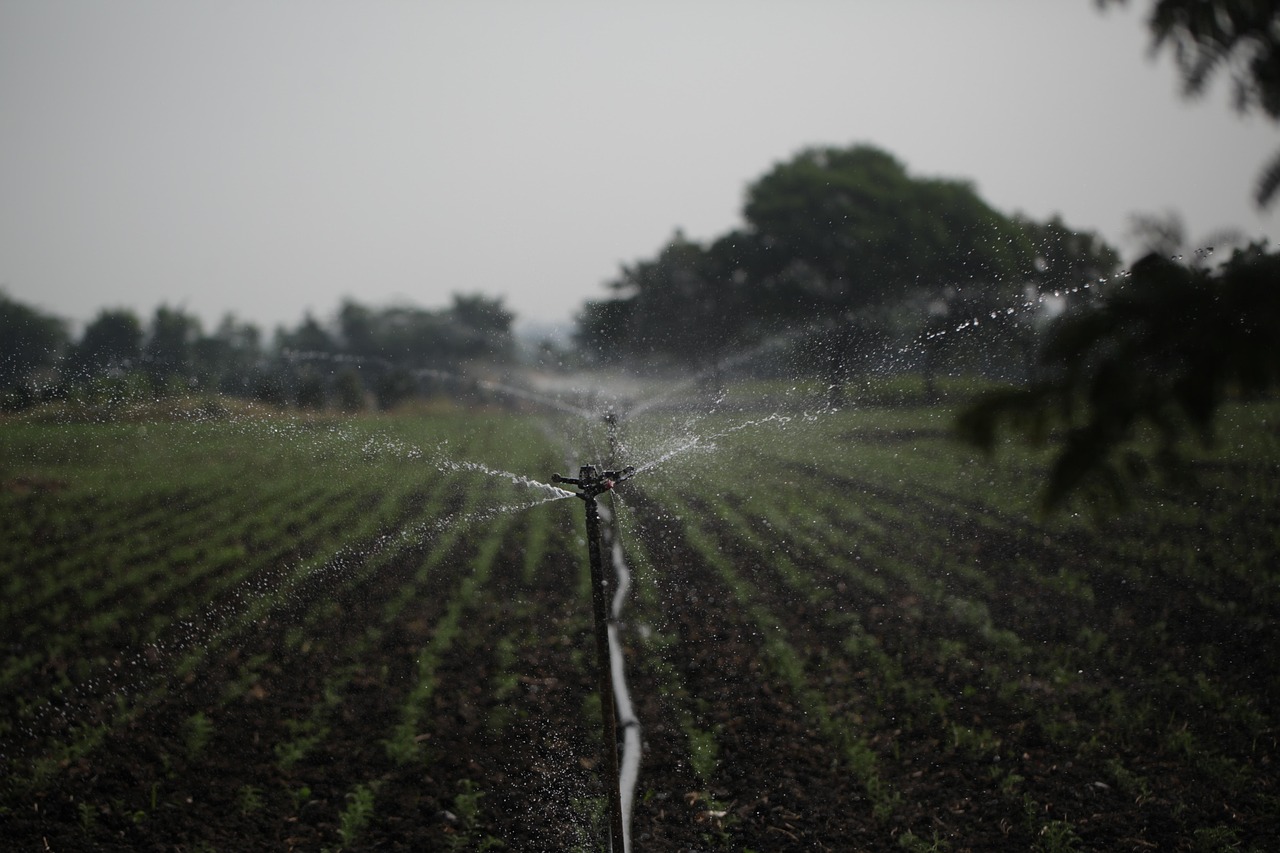
Many studies illustrate the benefits of staying hydrated while exercising, showing how it directly correlates to performance. When individuals prioritize water conservation, they inadvertently support their fitness goals. Clean water resources become a foundation for recreational activities, ranging from swimming to running. To understand how to properly conserve water, people might need educational resources and community initiatives. Information about proper irrigation techniques can lead to decreased waste and better use of local water supplies. Organizations may promote awareness through workshops and outreach programs, linking water conservation with physical fitness education. Supporting these initiatives creates a ripple effect in communities, where individuals feel empowered to take part in both fitness and conservation activities. Sports clubs may also play a role in this synergy by emphasizing the importance of conservation in their training regimens. They can organize events around clean water access, driving home the point that sustainable practices are key to maintaining health. Ultimately, when a community actively participates in water conservation efforts, environmental improvements can lead to more opportunities for healthy physical activities.
Hydration and Health
Hydration is usually an afterthought for many, especially during fitness activities. However, it’s crucial to remember that most of our body consists of water. It helps regulate body temperature, lubricates joints, and transports nutrients. Without adequate hydration, endurance decreases, impacting overall performance. Prioritizing water consumption during workouts becomes essential for recovery and muscle performance. When individuals practice appropriate water conservation, they actively ensure that they can maintain efficiency in their workout routines. This synergy drives awareness about responsible water use, especially in areas facing water scarcity. By adhering to conservation techniques, such as rainwater harvesting or utilizing low-flow fixtures, communities maintain sufficient water resources for everyone. It fosters not just individual fitness, but collective health. Hydration also has significant implications for cognitive function and mood, which are essential when participating in fitness-related activities. Maintaining balanced hydration helps ensure that physical fitness progress is consistent. When water flows freely in communities, members can engage in sports, activities, and exercises without hesitation. Hydration truly intertwines with peak fitness performance, resulting in a holistic approach to health.
Fitness enthusiasts recognize the value of water not only in workouts but also in recovery periods. Replenishing fluids after exercise is vital for muscle repair and overall recovery, thus preventing injuries or strains. Community-driven water conservation efforts directly impact recreational areas. By promoting outdoor sports, neighborhood groups improve public health by ensuring access to sufficient clean water. Residents engage in fitness activities while staying hydrated, leading to fewer health issues associated with dehydration. The construction of water fountains in parks serves as a physical reminder of the importance of water conservation and accessibility. When individuals can drink clean water after exercising, they often feel more inclined to participate in those activities regularly. Furthermore, effective water resource management can enrich local flora and fauna. Greener parks with more trees create inviting spaces for outdoor exercise. Urban planners must consider water management when designing these spaces. People thrive in environments that encourage physical fitness; managing resources well enhances this experience. Improved parks and recreational facilities attract more families and individuals, reflecting the benefits of combining environmental responsibility with physical health commitments.
Community Engagement
Engaging communities in water conservation initiatives can have remarkable effects on physical fitness standards. People often come together for shared goals aimed at conserving local water supply and quality. Sports events focused on conservation can raise awareness, attracting participants and spectators. These setups promote environmental stewardship while simultaneously advocating for a healthy lifestyle. Moreover, such initiatives require collaborative efforts between local governments, schools, and organizations. They initiate campaigns to educate the public about the critical role of water in fitness and health. Workshops can highlight effective water-saving practices, while also addressing sustainable activity methods. When individuals realize the health benefits gained from conserving water, they are likely to change habits. This shared understanding strengthens community bonds while promoting well-being. Hosting clean-up drives or water awareness days not only creates awareness but also inspires practical commitments. When members of a community work together for the common good, it fosters a more resilient environment. The more engaged citizens are, the more likely they are to be active in maintaining and improving their physical fitness through proper hydration and water management.
Promoting water conservation requires consistent messaging about the benefits that extend beyond environmental health. As communities become more invested in these initiatives, their collective fitness levels might improve. Partnering with fitness instructors to provide guidance on proper hydration techniques can enhance physical activities. Educational programs can bridge the gap between sustainable practices and personal fitness. Fitness centers could offer incentives for members who actively engage in water conservation efforts, such as using refillable water bottles. It demonstrates how simple changes can lead to bigger impacts. Encouragement from peers in a community can facilitate healthier habits. Moreover, clubs can host competitions to raise awareness about hydration in fitness. Community members can share their experiences of conserving water, inspiring others to adopt similar habits. When people see their friends valuing water, they often follow suit. Ultimately, successful water conservation requires commitment from everyone to ensure sustainability for future generations. By intertwining fitness and resource management, communities foster an environment that values both health and nature. Engagement inspires responsibility, leading to healthier lifestyles while protecting vital water resources.
Conclusion: A Lasting Impact
The relationship between water conservation and physical fitness fosters a vision of health embedded within sustainable practices. As individuals embrace habits that prioritize hydration, communities experience health benefits. Improved well-being leads to productivity, creativity, and overall satisfaction. When people unite behind the cause of conserving water, they build an ethos of collective responsibility. These efforts result in better public health outcomes while protecting essential natural resources. Fitness, often viewed as a personal endeavor, gains a new dimension through community engagement. As environments improve, opportunities for exercise flourish. Residents become more active, participating in various activities outdoors. Evaluating the long-term impacts, it’s evident that water conservation influences many facets of life, shaping healthy behaviors in individuals. Ensuring safe drinking water universally enriches the quality of life in every community. Together, efforts in water resource management and fitness can create a vibrant, health-centric culture. Increased awareness about water use not only drives better personal choices but also establishes meaningful connections among individuals. This synergy builds resilience and wellness, making water conservation a necessary pillar of physical fitness that lasts well into the future.
The benefits of embracing water conservation continuously reveal themselves in various facets of life. Individuals motivated to conserve water find themselves more engaged in physical fitness over time. By understanding the interconnectedness of these areas, many reconsider their habits, recognizing their role in environmental impacts. Communities that prioritize such education turn their focus into building sustainable practices surrounding health. With initiatives promoting local resources, individuals along with their families discover the beauty of green spaces and their association with personal wellness. Parks and recreational areas flourish, becoming hubs for fitness activities, sport events, and social gatherings. Children learn the importance of caring for their environment, linking hydration to fitness from an early age. As communities come together, discussions about water use and conservation permeate various circles, enriching lives in profound ways. Access to clean water ensures that everyone has a chance to engage in physical activities, leading to healthier lifestyles. By fostering a culture where conservation and fitness unite, a legacy of health can be established. Habitual participation encourages future generations to further this commitment, promoting not only personal wellness but also the protection of essential water resources throughout their communities.