
Introduction to Calming Injured Athletes
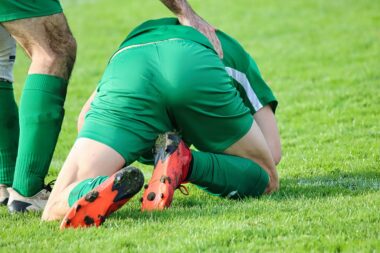
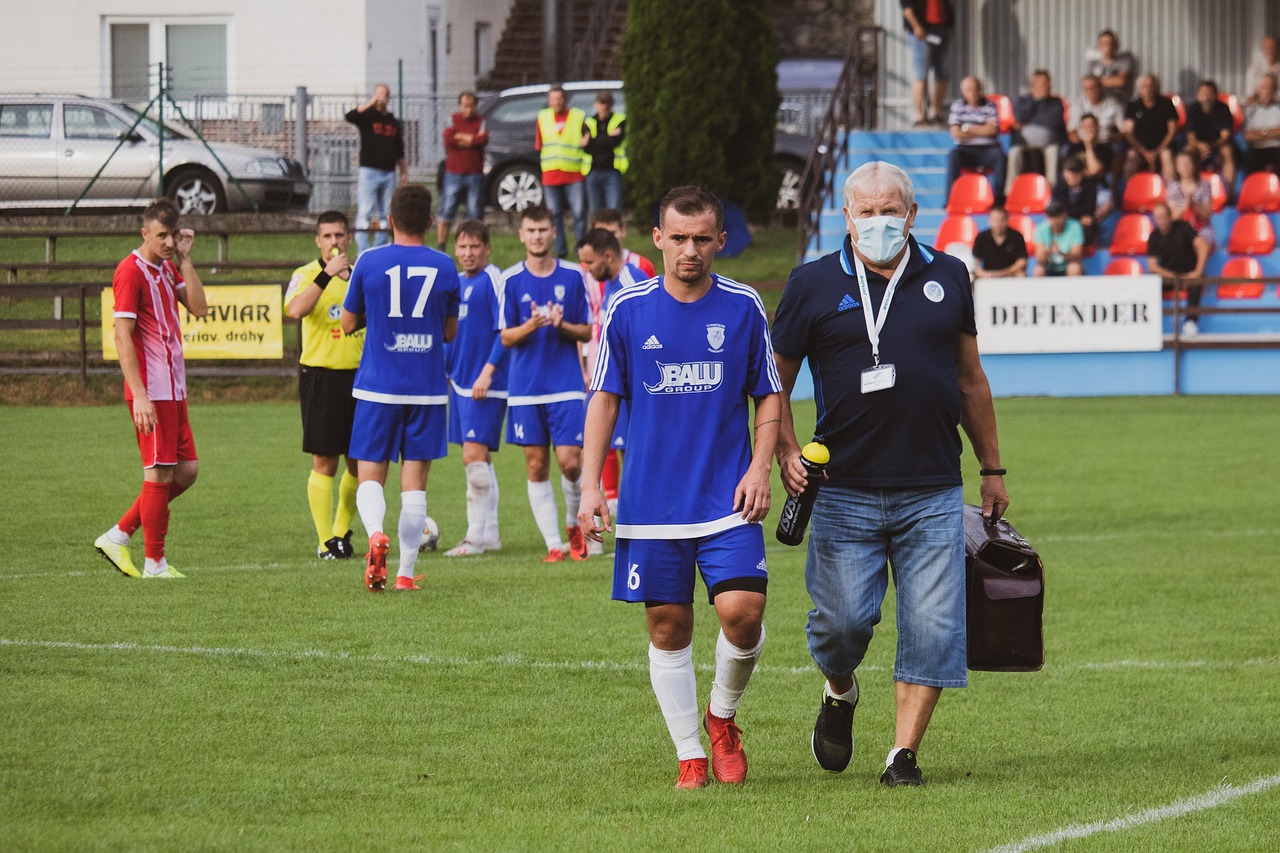
Calming injured athletes during an emergency situation is crucial for both their mental wellbeing and physical recovery. First, it’s essential to assess the injury without making assumptions about its severity. Taking a moment to speak with the athlete can help gauge their emotional state. Use a calming and reassuring tone to create a safe environment. This approach encourages trust and confidence in your ability to help. Provide clear and concise instructions to help the athlete understand the situation. Avoid unnecessary jargon, which can lead to confusion and even panic. Genuine empathy plays a significant role as well. Offer support and assurance, whether it’s through words or a reassuring touch. Reassurance can also involve explaining what you are doing and why. This helps the athlete feel included and aware. Maintaining eye contact communicates attentiveness and sincerity. A positive attitude can help reduce anxiety not just for the athlete but for onlookers as well. Remember, a calm responder can greatly influence the atmosphere in an emergency situation, additionally helping the injured athlete focus on what’s happening and easing their mind about potential outcomes.
Creating a Calm Environment for the Athlete is essential. The presence of a supportive atmosphere can facilitate better outcomes during emergencies. Start by encouraging those around you to maintain a low volume and avoid overwhelming the injured athlete with noise. Too many voices can become chaotic; thus, it’s best to limit chatter. Positioning yourself close to the athlete allows you to maintain a reassuring presence. When speaking to them, keep your tone soft yet firm. Assure the athlete that help is on the way, emphasizing that they are not alone. It’s essential to keep them informed about the next steps while also allowing them to express their feelings. Give them space to breathe and collect their thoughts. Recognizing signs of panic can be pivotal; utilize gentle techniques to redirect their attention. This might involve focusing on breathing or discussing a topic they enjoy. Providing distraction is a valuable tool in reducing anxiety. Remember to include physiological signals, such as positive body language that conveys assurance. Simple gestures, like controlling your own breath, can reflect a calmer demeanor, which is infectious and can positively impact the injured athlete’s mindset.
Communication Techniques in Emergencies
Effective communication can significantly improve the situation for injured athletes. As a responder, adopting specific strategies can greatly affect their comfort level during a crisis. Start with clear and concise language. Inform the athlete of your intentions and what you are doing, as this helps mitigate confusion and anxiety. Use simple terms to communicate ideas, enhancing comprehension. Active listening is equally important. Understand the athlete’s responses and concerns, validating their feelings in the process. Ensure they know their voice matters. Practice empathy, acknowledging their fears, which helps them feel seen and supported during their vulnerable moment. It can also be beneficial to ask open-ended questions; encourage them to speak about their thoughts and feelings. This can provide insights into their emotional and physical states. Non-verbal communication is equally powerful; maintaining an open body posture and calm demeanor can soothe the injured athlete. By using these communication techniques, responders significantly enhance trust and rapport, allowing the athlete to feel more secure. Recognizing that every interaction counts helps in alleviating fears and generates a more receptive atmosphere for assistance in urgent situations.
Utilizing Comfort Items can greatly enhance the experience for injured athletes. Familiar items can serve as an anchor, a lifeline amidst chaos. These may be personal belongings such as a favorite blanket, or perhaps even a small toy or keepsake. Suggest engaging with these items to help mitigate anxiety and offer emotional relief. Sometimes, offering a water bottle or snacks might help to restore a sense of control and normalcy. Establishing comfort through tangible belongings offers a quick psychological benefit, even amidst traumatic situations. Sometimes, providing personal items to touch or hold can serve as a calming mechanism, distracting from pain and discomfort. If possible, use blankets to keep them warm, addressing physical needs as well. Warmth is often comforting and can decrease stress levels considerably. Creating a positive distraction with these comfort items may aid in redirecting the athlete’s thoughts. Ensure that they feel involved in the process, offering choices on what to interact with. Maintaining this connection helps mitigate feelings of helplessness. Remember, a little comfort can go a long way toward improving their emotional resilience during emergencies.
Collaborating with Emergency Services
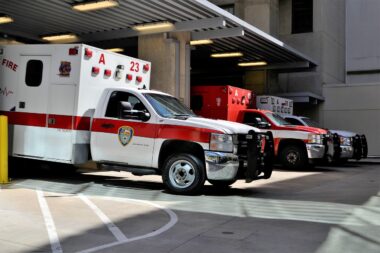
Collaboration with emergency services plays a vital role in managing sports injuries effectively. One key step is to ensure that all relevant information about the athlete is communicated clearly. Providing vital signs, injury specifics, and any known pre-existing conditions can help responders deliver better care. Cooperation can also facilitate swift transport to medical facilities if required. It is important to stay calm and collected, ensuring that emergency services are called as soon as possible. This allows for timely assistance, giving the athlete the best chance for recovery and reassurance. Providing effective descriptions of the athlete’s condition and emotional state can help responders prepare for what they may encounter. Also, keeping all communication lines open is crucial; staying in contact with your team while assisting the athlete can ensure everyone remains coordinated during the emergency. Empathetic communication with emergency responders can make the entire situation smoother. Building rapport with them also helps enhance the experience for the injured athlete. Demonstrating a team-oriented mindset encourages cooperation and minimizes confusion, creating a unified effort towards ensuring the athlete’s wellbeing.
After the Emergency: Reflect and Learn is an often ignored aspect of handling sports injuries. Once the immediate crisis has passed, taking time to reflect on the situation is crucial. This reflection aids in personal growth and better preparedness for future emergencies. Gathering the team to discuss what went well and what could be improved fosters an environment of continuous learning. Encourage everyone to share their experiences; each perspective can provide valuable insights. Consider documenting these reflections, keeping a record of procedures and outcomes. This can lead to the development of better methodologies for handling similar situations in the future. Offering feedback reinforces the importance of preparation and communication, building a culture of accountability. It is equally essential to recognize the emotional aftermath for the injured athlete and the responders involved. Ensuring proper support systems are in place can promote mental resilience. Approach discussions with respect and consideration for each person’s feelings, emphasizing lessons learned. Remember that continued education is vital; conducting training sessions can enhance skills over time, ultimately leading to success during emergencies and improved athlete experiences in the long run.
Conclusion: The Importance of Caring Responses
Caring responses during emergencies are paramount for athlete recovery. Integrating all best practices mentioned not only supports the injured but also cultivates a culture of safety and preparedness. By communicating effectively, establishing calm environments, and validating feelings, every responder plays a significant role in promoting emotional and physiological healing. Collaboration with emergency services further enhances the support network around the injured athlete. Promoting a calm and reassuring presence delivers comfort during the most challenging times. Reflection after the incident underscores the importance of continuous improvement in first aid skills and interpersonal communication, ensuring that readiness is always present. Ultimately, it enhances team dynamics and reinforces trust among athletes and responders alike. Through dedicated practice and learning, anyone can cultivate the necessary skills to deal with emergencies diligently. Remember that every injury is a reminder of the physical challenges athletes face, and we must be there, prepared, and willing to support them through recovery. The difference between a challenging situation and a manageable one often lies in the compassion and care offered by those present in times of need, proving that empathy is essential for success in injury management.