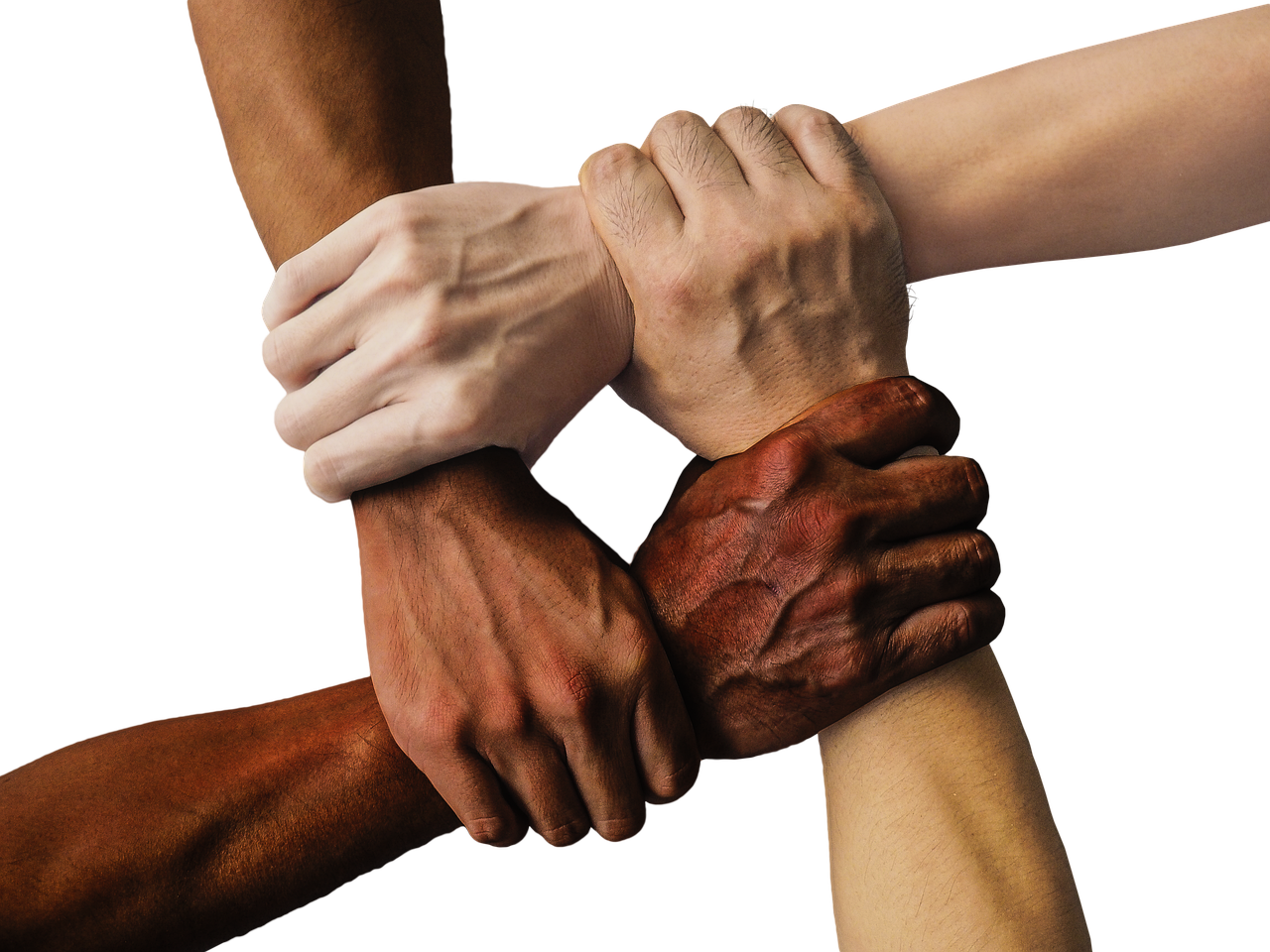

The Impact of Social Support on Fitness Commitment
Fitness journeys can often be daunting and challenging. Many individuals struggle to stay motivated, especially when faced with obstacles or setbacks. One effective strategy to combat these feelings is to seek social support from friends, family, or workout groups. Support from others provides a sense of accountability and encouragement. When someone feels pushed or cheered on by their peers, they are more likely to push through difficult workouts or adhere to their fitness plans. Social connections also help individuals share their experiences, whether positive or negative. This sharing allows for shared learning and the realization that one is not alone in their struggles. Engaging in group classes, running clubs, or sharing goals on social media can greatly enhance motivation. Such connections remind individuals that fitness is not just a solitary endeavor but rather a journey best shared with others. Whether through joining a local fitness group or connecting virtually, the power of community should not be underestimated. The right social support can significantly impact an individual’s fitness commitment and lead to sustained success in their health endeavors.
Building a supportive network is crucial for anyone aiming to achieve their fitness goals. Many studies suggest that individuals who engage with supportive friends tend to maintain healthier habits. This supportive environment can reduce stress and boost mental health, which are both essential for a successful workout regime. Creating a workout buddy system is one way to establish such a network. By partnering with someone who shares similar fitness objectives, individuals can motivate each other consistently. This partnership can elevate workouts to new heights by making them more enjoyable and effective. Furthermore, celebrating each other’s achievements, both big and small, reinforces this supportive bond. It is about recognizing milestones together, from completing a challenging workout to reaching personal bests. Social platforms also provide ample opportunities to connect, share progress, and exchange tips. Engaging with an online community can further inspire goal-setting and healthy competition. When fitness becomes a shared journey, the commitment levels increase significantly. This community support not only promotes consistency in workouts but also encourages a holistic approach toward overall health and wellness, emphasizing the importance of social connections in fitness routines.
Cultivating Friendships through Fitness
Engaging in group fitness activities can help individuals forge lasting friendships. These social relationships are incredibly beneficial, as they not only offer motivation but also create a sense of belonging. Joining a fitness class or local running club introduces individuals to like-minded people, often leading to supportive friendships. Conversations during workouts can lighten the experience and make hard sessions more tolerable. Many individuals find that socialization during fitness routines strengthens their resolve to attend classes regularly. Sharing personal fitness stories can also lead to deeper connections, fostering trust and support among participants. When friends lift each other up, they provide essential emotional support during tough days. Participants who form friendships through fitness often hold each other accountable, making it more likely they will stick to their fitness schedules. This creates a cycle of motivation that benefits everyone involved. The benefits of friendships formed in fitness extend beyond the gym. These relationships can encourage healthier lifestyle choices, better stress management, and improved mental well-being. This interconnectedness highlights how fitness can be a vehicle for building supportive communities, one that promotes sustained commitment to personal health goals.
Another crucial aspect of social support is the communication of fitness goals among friends or family. When individuals vocalize their aspirations, they create a sense of obligation to follow through on their commitments. Sharing these goals with others not only adds an element of accountability but also encourages support from those close to them. Friends or family can check in on each other’s progress, offering motivation during harder times. For instance, when someone expresses a desire to run a marathon, their friends can provide encouragement through training, share tips, or even join them on their journey. This shared journey solidifies relationships and creates a deeper understanding of each participant’s struggles and successes. Furthermore, family can play an integral role in fitness routines by incorporating family activities. Going for walks, playing catch in the park, or attending a yoga class together benefits every member’s health. The positive reinforcement and involvement of family can become a powerful motivator. Social support creates a circle of encouragement that is vital for continuous fitness commitment. This interconnected family dynamic seamlessly blends fitness with familial relationships, fostering an environment rich in support and motivation.
Leveraging Online Communities for Motivation
In today’s digital age, online communities can play a significant role in fitness motivation. Social media platforms and fitness applications provide extensive networks for finding support. Through these platforms, individuals can connect with others who share similar fitness ambitions or challenges. Many fitness apps allow sharing workout progress, providing healthy competition and motivation. These virtual relationships may help maintain commitment levels even if participants cannot work out together physically. Online challenges, whether individual or group-based, foster a sense of community. Participating in virtual races or workout challenges can instill a strong drive to meet personal goals. Members recognize each other’s achievements, often leading to mutual support and encouragement. Furthermore, joining online forums or discussion groups can offer tips and strategies that enrich individual workouts. It’s also vital for users to be selective in their online engagements, focusing on communities that foster positive motivation rather than negativity. Individuals thrive in environments that celebrate achievements, no matter how small. Social media can be a double-edged sword; however, when used positively, it can effectively enhance commitment toward consistent workout regimens and push members toward their shared fitness aspirations.
Peer pressure can also be a driving force when it comes to maintaining fitness routines. This is not necessarily negative; it can lead to healthier lifestyle choices. When individuals see their friends and peers actively participating in fitness activities, they are more inclined to join in. This social comparison can spur individuals to prioritize their health and fitness more seriously. Positive peer pressure encourages participation in fitness events, group sports, or local charity runs. People often find themselves motivated by the success of their peers, wanting to emulate their achievements. This can lead to a cycle of motivation, where individuals support each other while simultaneously pushing one another to perform better. Additionally, sharing workout victories and setbacks helps individuals cope with their struggles. Celebrating small wins fosters an environment of resilience and shared growth, where everyone understands the highs and lows of fitness commitments. Engaging with peers who are similarly committed creates a culture of accountability and encouragement. This positive pressure ultimately can drive individuals to remain steadfast in their fitness commitments, leading to improved health outcomes and enhanced overall well-being.
Conclusion: The Importance of Social Support
In conclusion, social support plays an impactful role in maintaining consistency within fitness routines. Engaging with friends, family, or online communities creates a network of encouragement and accountability. These connections enhance motivation and provide a sense of belonging within fitness journeys. Fitness routines should be seen as collective experiences, where emotional ties and social interactions contribute to individual accountability. Individuals who share their goals and celebrate milestones often find greater success in adhering to fitness plans. Strong social support systems not only foster better workout habits but also positively impact mental health. By encouraging healthy choices and providing a buffer against challenges, social networks can lead to improved well-being and sustained commitment to fitness. As people recognize the benefits of social interactions, they may find themselves more engaged and excited about their health journeys. Building fitness into a community experience highlights its potential to reshape relationships and enhance lives. Ultimately, the blend of social support and personal commitment forms a powerful alliance in the pursuit of fitness, reminding everyone that they are not alone in their quest for better health.
To reap the benefits of social support, individuals should actively seek connections that enhance their workout experiences. Finding a workout buddy or joining group classes are excellent starting points. Online communities can be equally effective, particularly for those who thrive in virtual interactions. Prioritizing social, enjoyable activities alongside fitness goals can lead to more sustainable adherence to routines. It’s crucial to engage with positively motivated individuals who uplift and inspire. Setting shared goals within social groups can also enhance commitment levels, as accountability functions best in groups. Remember that the journey toward fitness is not just about the destination but also about the connections formed along the way. A supportive network can propel individuals through tough times, encouraging persistence despite obstacles. Fitness commitment can substantially increase when reinforced by relationships that foster trust and understanding. Ultimately, the synthesis of social support within individual fitness journeys amplifies the chances of success. Embracing both personal determination and collective motivation is key to long-term health and wellness. Perfecting this balance will facilitate not just physical success but emotional fulfillment as well.