
How to Set Up Your Mouse for Maximum Comfort and Efficiency
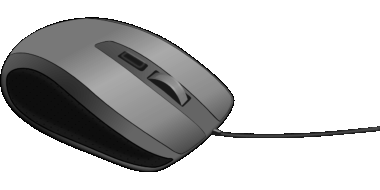
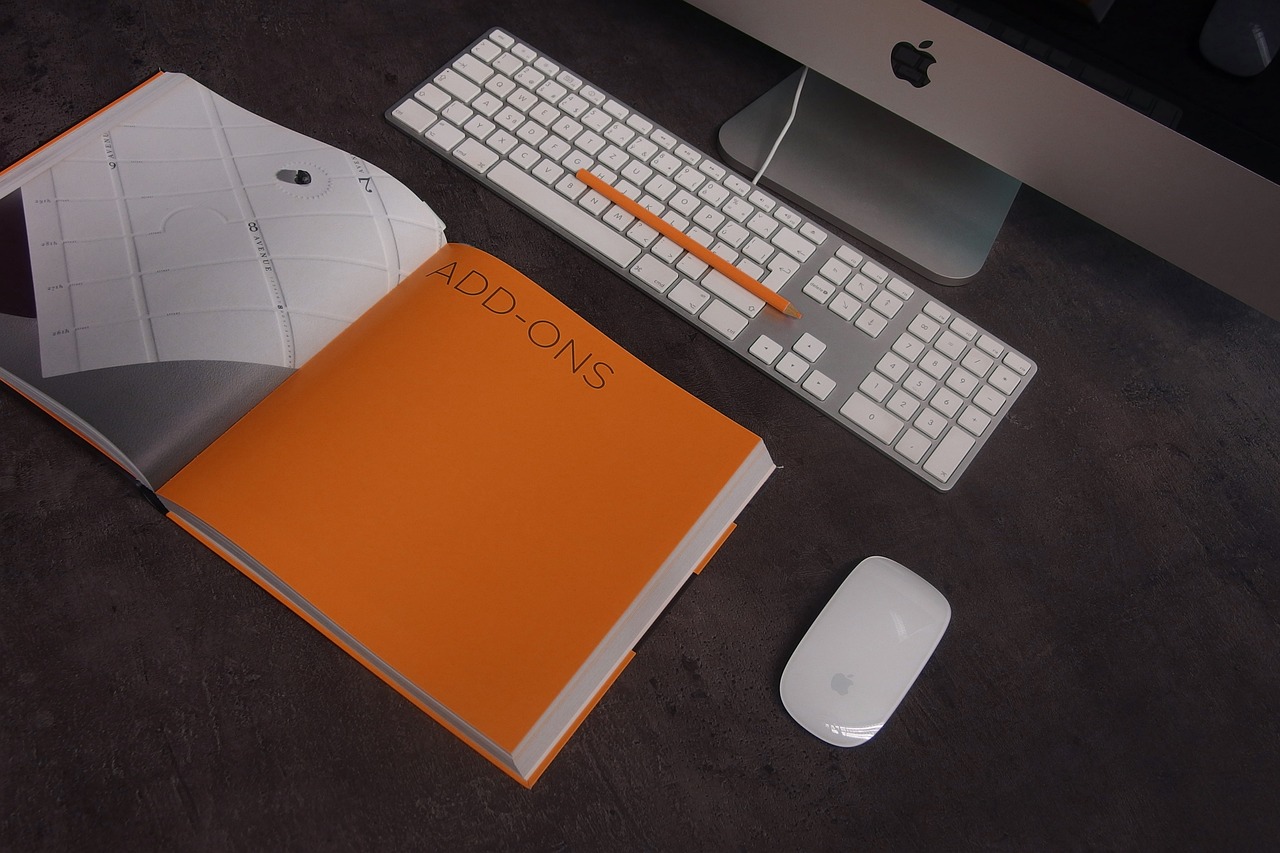
Setting up your mouse ergonomically is critical for reducing strain during prolonged computer use. It’s essential to understand the mouse’s placement, which should be at the same level as your keyboard. When your arm is at your side or slightly elevated, the mouse should be positioned so that you can use it without raising your wrist or straining your shoulder. Avoid reaching too far, as this can compact nerve pathways and lead to discomfort. Choose a mouse that fits your hand well, allowing natural movement without cramping or tension. Consider the size, shape, and weight of the mouse, as these aspects influence your grip. Aim for a mouse that promotes a relaxed palm position, which can often mean a larger or specifically designed ergonomic mouse for your hand size. Also, ensure that the cursor moves simultaneously with your hand’s movements smoothly. Test different types to find out what works best for you, as comfort directly correlates with productivity. Keep a straight line from your elbow to the tip of your fingers to maintain an optimal posture.”},{
Additionally, mouse sensitivity settings are crucial for an ergonomic setup, affecting how far you have to move your hand. Adjust the sensitivity within the operating system settings, allowing for more precise control and less hand movement. A higher DPI (dots per inch) setting means the cursor moves farther with less physical movement. This setting can significantly reduce wrist strain while maintaining efficiency. Also, invest in a quality mouse pad that offers both comfort and surface grip. Look for a mouse pad with wrist support, which can assist in keeping your wrist aligned properly during use. The right mouse pad can help prevent repetitive strain injuries by providing a soft surface. Moreover, consider using a vertical mouse, which is designed to keep your wrist in a more natural position, thereby reducing tension on muscles. Implementing these adjustments can drastically improve your experience. Change settings periodically to ensure best fit as your working conditions evolve. Take breaks, and perform wrist exercises to alleviate tension and promote circulation during long working hours.”},{
Regular Breaks and Shoulder Positioning
Along with proper mouse setup, it’s vital to take regular breaks to maintain overall comfort and prevent fatigue. The 20-20-20 rule is a popular guideline: every twenty minutes, look at something twenty feet away for twenty seconds. This practice eases visual strain and gives your body the chance to relax. Similarly, take short breaks to stretch your arms and wrists to counter muscle fatigue. During these breaks, consider gently shaking out your hands or doing wrist exercises to promote blood flow. The posture of your shoulders while using the mouse can also affect your comfort. Keep shoulders relaxed and slightly back while using your mouse; avoid hunching your shoulders forward or scrunching your upper back. Ensure your chair offers adequate support and is adjustable to keep your back at a neutral position. This support will help maintain proper alignment and reduce the risk of muscle strain. After long periods of working, realign your posture and check if your shoulders have crept up in tension; actively lower them down to reduce further strain.”},{
Maintaining the right mouse technique is also vital. Position your fingers correctly to minimize any unnecessary movement. Use the fingertips to operate the mouse, rather than the whole hand, resulting in a more controlled motion. Lifting your hand off the mouse can increase strain on the forearm; therefore, try to maintain contact with the mouse as you move. Employ a light grip when using your mouse, allowing for fluid motion instead of constricting movement. If you feel discomfort, it could be an indication of improper technique. Assess how you click, scroll, and move your mouse. Using keyboard shortcuts when possible can also alleviate the amount of mouse activity, reducing strain. Furthermore, customize your mouse buttons to perform often-used functions, which minimizes repetitive actions. Creating a workflow that relies less on the mouse can lead to better ergonomics. Establish habits where you alternate between keyboard use and mouse functions, ensuring both hands are active, providing even distribution of activity throughout your sessions.”},{
Conclusion on Ergonomic Mouse Usage
An effective ergonomic mouse setup significantly enhances comfort and productivity. Remember that individual needs may vary; what feels right for someone else might cause discomfort for you. Experimenting is key to finding the ideal configuration. Invest time in adjusting all settings and practices mentioned, as this ensures that you’re ultimately setting your workspace thoughtfully. Assessing your comfort levels and regularly adjusting your setup encourages healthy use practices. You may discover that specific tools or techniques resonate best with your working style, which heavily contributes to your wellness. When needed, consult ergonomic specialists who can provide tailored advice. Most importantly, listen to your body; if you feel strain or discomfort, reevaluate your setup. Small changes can lead to remarkable improvements in how you feel while working, ensuring a more sustainable and enjoyable experience, especially during long work hours. Additionally, educating others in your workplace about ergonomic practices can help create a healthier environment for everyone. A well-designed ergonomic setup leads to fewer injuries and enhanced productivity.”},{
By understanding and implementing an ergonomic mouse setup, you’re investing in your health and well-being. The adjustments mentioned promote comfort, efficiency, and proper posture while utilizing technology. A carefully considered setup is essential for people spending extensive hours on computers, ultimately helping protect against long-term injuries. Maintain consistent awareness of your posture and mouse usage to keep optimal engagement levels high. Reviewing your workspace regularly will help you stay proactive about ergonomics, benefitting not only your physical health but also your productivity. As technology continues to develop, keep an eye on new ergonomic solutions that may enhance your workplace experience. Remember, it’s not just about comfort; it’s about fostering an environment that encourages productivity without compromising health. Share your knowledge of ergonomic principles with your team to cultivate a culture of well-being. Empower others, and create a ripple effect towards a healthier workplace. The small actions taken today regarding ergonomics can lead to significant differences in overall productivity, comfort, and health tomorrow. Take the time to invest in your ergonomic setup for a more pleasant workflow.”}]} “` Since the prompt seems to contain an internal tag or some erroneous character in `{
Additionally, mouse sensitivity settings are crucial for an ergonomic setup, affecting how far you have to move your hand. Adjust the sensitivity within the operating system settings, allowing for more precise control and less hand movement. A higher DPI (dots per inch) setting means the cursor moves farther with less physical movement. This setting can significantly reduce wrist strain while maintaining efficiency. Also, invest in a quality mouse pad that offers both comfort and surface grip. Look for a mouse pad with wrist support, which can assist in keeping your wrist aligned properly during use. The right mouse pad can help prevent repetitive strain injuries by providing a soft surface. Moreover, consider using a vertical mouse, which is designed to keep your wrist in a more natural position, thereby reducing tension on muscles. Implementing these adjustments can drastically improve your experience. Change settings periodically to ensure the best fit as your working conditions evolve. Take breaks, and perform wrist exercises to alleviate tension and promote circulation during long working hours.
Regular Breaks and Shoulder Positioning
Along with proper mouse setup, it’s vital to take regular breaks to maintain overall comfort and prevent fatigue. The 20-20-20 rule is a popular guideline: every twenty minutes, look at something twenty feet away for twenty seconds. This practice eases visual strain and gives your body the chance to relax. Similarly, take short breaks to stretch your arms and wrists to counter muscle fatigue. During these breaks, consider gently shaking out your hands or doing wrist exercises to promote blood flow. The posture of your shoulders while using the mouse can also affect your comfort. Keep shoulders relaxed and slightly back while using your mouse; avoid hunching your shoulders forward or scrunching your upper back. Ensure your chair offers adequate support and is adjustable to keep your back at a neutral position. This support will help maintain proper alignment and reduce the risk of muscle strain. After long periods of working, realign your posture and check if your shoulders have crept up in tension; actively lower them down to reduce further strain.