
The Role of Protein Timing in Bodybuilding Nutrition
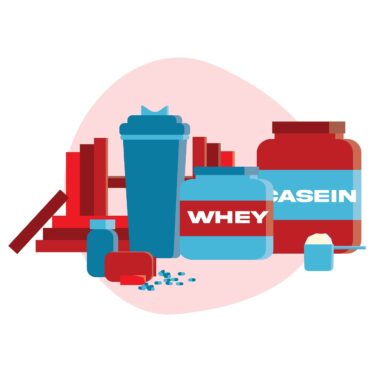
Bodybuilding is a pursuit that requires a meticulous approach to nutrition, especially when it comes to protein intake. Among various factors contributing to muscle growth and recovery, the timing of protein consumption plays a vital role. Consuming protein at specific times can enhance muscle protein synthesis, optimize recovery, and potentially lead to better competition results. Bodybuilders often aim to consume protein multiple times throughout the day, with particular emphasis on meals surrounding their workouts. The pre- and post-workout meals can significantly influence performance and recovery, making it essential for athletes to strategize their protein intake accordingly. In addition, the type of protein consumed can also affect how the body utilizes amino acids for recovery and muscle growth. Whey protein, for example, is rapidly absorbed, making it a popular choice for post-workout supplementation. Moreover, casein protein’s slow digestion rate ensures a steady supply of amino acids over time, benefiting bodybuilders who consume it before bedtime. Overall, integrating effective protein timing strategies can dramatically enhance a bodybuilder’s performance and results in competitions.
Understanding Protein Requirements
To fully grasp the significance of protein timing in bodybuilding, it’s crucial to understand individual protein requirements. Different athletes have varying protein needs based on their weight, activity levels, and fitness goals. On average, bodybuilders can benefit from a protein intake of 1.6 to 2.2 grams of protein per kilogram of body weight each day, which can create a favorable environment for muscle growth. Based on these estimates, athletes should distribute their protein intake evenly throughout the day, ideally consuming 20 to 40 grams in each meal. This approach allows for a consistent supply of amino acids, which is instrumental in muscle repair and growth. Many bodybuilders choose to track their macronutrient intake to ensure they meet these protein targets reliably. Additionally, athletes should consider the quality of the protein sources they consume. High-quality proteins, such as chicken, fish, eggs, and dairy, provide essential amino acids that aid in recovery and muscle building. Utilizing protein timing effectively, in conjunction with the right amount of quality protein can yield impressive results for bodybuilders, particularly leading up to competitions.
Moreover, nutrient timing extends beyond merely the protein consumed; it also encompasses carbohydrates and fats. Successful bodybuilding diets typically include adequate carbohydrates to replenish glycogen stores post-training, enabling optimal performance. Research suggests aligning carbohydrate consumption with protein intake improves recovery and muscle glycogen resynthesis after intense workouts as these macronutrients work synergistically. For example, bodybuilders might consume specific ratios of carbohydrates to protein, often suggesting 2:1 or 3:1 in favor of carbs during recovery windows. This strategy ensures that athletes permit the full benefits of both macronutrients simultaneously for recovery and muscle building. Notably, fats are essential to a balanced diet; while not as critical immediately post-workout, they should be consumed adequately throughout the day. Select healthy fats such as avocados, nuts, and olive oil for sustained energy, which can be beneficial for overall performance. Overall, maintaining a balanced macronutrient intake alongside effective protein timing can lead to significantly improved strength and physique outcomes that bodybuilders desire. It is through this comprehensive nutritional strategy that bodybuilders position themselves for success in competitions.
Pre-Workout Nutrition
The pre-workout meal represents a crucial opportunity to set the body up for optimal performance during training sessions. While there is much focus on post-workout nutrition, what is consumed before a workout cannot be overlooked. A well-composed pre-workout meal should typically be rich in easily digestible carbohydrates and moderate in protein while remaining low in fats. Consuming this meal about 30 to 60 minutes before training can provide an energy surge, ensuring maximum workout efficiency. Simple carbohydrates, such as bananas or oatmeal, can kick-start energy levels, while protein could come from sources like whey or lean meats. This combination may help prevent muscle breakdown during training, ensuring that the body remains in an anabolic state. It’s essential to avoid heavy, greasy meals prior to workouts, as they may lead to discomfort during physical activities. Instead, timing this meal appropriately allows the body to fuel performance efficiently without feeling sluggish. Bodybuilders should also experiment with nutrient timing to identify what works best for their unique needs, as pre-workout strategies may vary.
Post-workout nutrition is just as vital as pre-workout fueling; the body enters a recovery mode following intense exercise. During this time, muscles are primed to absorb nutrients to repair and grow stronger. Consuming protein within 30 minutes to two hours after training, while also incorporating carbohydrates, is essential for optimal recovery. Post-workout nutrition promotes muscle repair, glycogen replenishment, and the reduction of muscle soreness, helping athletes feel refreshed for their next training session. Ideally, the post-workout meal should contain about 20-40 grams of protein coupled with the right amount of carbohydrates. Popular choices include a whey protein shake mixed with banana or a protein-rich meal featuring lean meats and sweet potatoes. This restores energy quickly and supports muscle repair effectively. Hydration, too, should not be neglected in recovery strategies; drinking sufficient water helps facilitate these processes and maintain overall performance. In the days leading up to competitions, athletes may emphasize these post-workout strategies further, ensuring they maximize recovery and stand ready to perform at their best during events.
Long-Term Strategies for Success
In the realm of bodybuilding, consistent attention to nutrition lays the foundation for achieving long-term success. Bodybuilders must develop long-term dietary habits focusing on protein timing, meal frequency, and nutrient quality. A successful nutrition plan often entails tracking daily intake meticulously, ensuring consistent protein consumption that complements workout schedules. Using meal prep strategies can assist athletes in maintaining a nutritious diet that aligns with their goals while navigating busy days. Additionally, bodybuilders might incorporate varied protein sources to prevent monotony. Rotating protein sources not only keeps meals exciting but also enhances nutrient diversity as different foods offer unique benefits and micronutrients. Alongside monitoring protein intake, it’s essential to modify meal timings based on training schedules. As competitions approach, bodybuilders can fine-tune their nutrition strategies to optimize muscle definition and overall performance. Emphasizing quality over quantity is also vital; investing in whole foods versus processed options ensures nutrients are bioavailable and effectively absorbed. Ultimately, establishing a comprehensive strategy that focuses on protein timing, coupled with consistent efforts in the gym, will position bodybuilders for long-lasting success.
Lastly, staying informed regarding the latest research and trends in bodybuilding nutrition is necessary for anyone serious about achieving competition success. The field of sports nutrition is constantly evolving, and staying knowledgeable can give athletes a competitive advantage. Following reputable sources and science-backed studies can enlighten bodybuilders on the most effective practices regarding protein intake and timing. Athletes may also engage with professionals such as nutritionists or dieticians specializing in sports nutrition to ensure their dietary strategies align with their specific needs. Furthermore, sharing experiences within bodybuilding communities can lead to discovering new tips and approaches that resonate best with individuals. By fostering a culture of learning and adaptation, bodybuilders can refine their dietary strategies continually while enhancing performance. Social media and bodybuilding forums can be invaluable platforms for gathering insights or discovering new recipes that support protein timing objectives. Ultimately, remaining proactive in nutritional education will empower bodybuilders to make informed choices that underpin their journey to competition readiness.