
How to Strengthen Your Core Safely During Pregnancy
Pregnancy is a transformative time that significantly affects a woman’s body, particularly her core strength. As your body adapts to support the growing fetus, focusing on core strengthening becomes essential. A strong core enhances posture, stability, and reduces back pain, which is common during this period. It’s vital, however, to approach core strengthening with caution. Engaging in safe exercises ensures both mother and baby remain healthy. Always consult with a healthcare provider before starting any fitness program. Your routine should also be adaptable to the changes in your body throughout pregnancy. Each trimester may require different considerations and modifications in your workout practices. Listening to your body is crucial during this phase. Incorporating exercises like pelvic tilts, gentle planks, or seated marches helps build core strength without undue strain. Furthermore, hydration and nutrition during workout sessions enhance performance. It’s also beneficial to emphasize relaxation and stress management in your fitness approach. Remember that safety comes first, and gentle movements are always the best path toward achieving your fitness goals while pregnant. Make sure to find a supportive workout environment that nurtures your well-being.
Benefits of Core Strengthening
Strengthening your core during pregnancy offers a multitude of benefits. Firstly, it improves posture. As your belly grows, the center of gravity shifts, resulting in strain on your back if proper posture isn’t maintained. A strong core provides stability, helping to prevent discomfort. Additionally, core strength is beneficial for labor and delivery. Well-conditioned abdominal muscles can assist during childbirth, potentially shortening labor duration. Furthermore, it positively impacts recovery after giving birth. Strengthening the core prepares your body for the physical challenges of motherhood. It helps in regaining pre-pregnancy body functions more effectively after delivery. Moreover, core exercises enhance balance, reducing the risk of falls that can happen as your body changes. Additionally, these exercises can alleviate aches and pains associated with pregnancy. As the body adapts to new postures, core strengthening provides necessary support. This practice also often leads to improved mental well-being. Engaging in physical activity releases endorphins, which contribute to better mood during pregnancy. This can foster a healthier bond between mother and child. Ultimately, investing time in core strengthening is valuable for both the mother’s health and the baby’s development.
A healthy approach to core strengthening involves choosing the right exercises. Low-impact workouts are generally advised, as they reduce risk and promote wellness. Good examples include modified crunches, bridge lifts, and side-lying leg lifts. All these exercises can strengthen the abdominal muscles without excessive strain. It is important to start slow and gradually increase intensity as you feel comfortable. Never hold your breath during exercises; maintain a steady and natural breathing pattern. This helps with focusing on the core muscles, ensuring proper engagement. Engage a trainer who specializes in prenatal workouts if possible, as they can offer personalized guidance to execute movements safely. During any exercise, monitor for discomfort or unusual sensations and stop if necessary. It’s also instrumental to incorporate stretching as part of your routine; stretching alleviates muscle tension and improves flexibility. Keep in mind that hydration is a vital component, so drink water during and after your workouts. Always remember to listen to your body and respect its limits. Adapt the chosen exercises based on energy levels and physical comfort throughout your journey. This mindful approach can further help in achieving a strong core safely during pregnancy.
Key Exercises for Pregnant Women
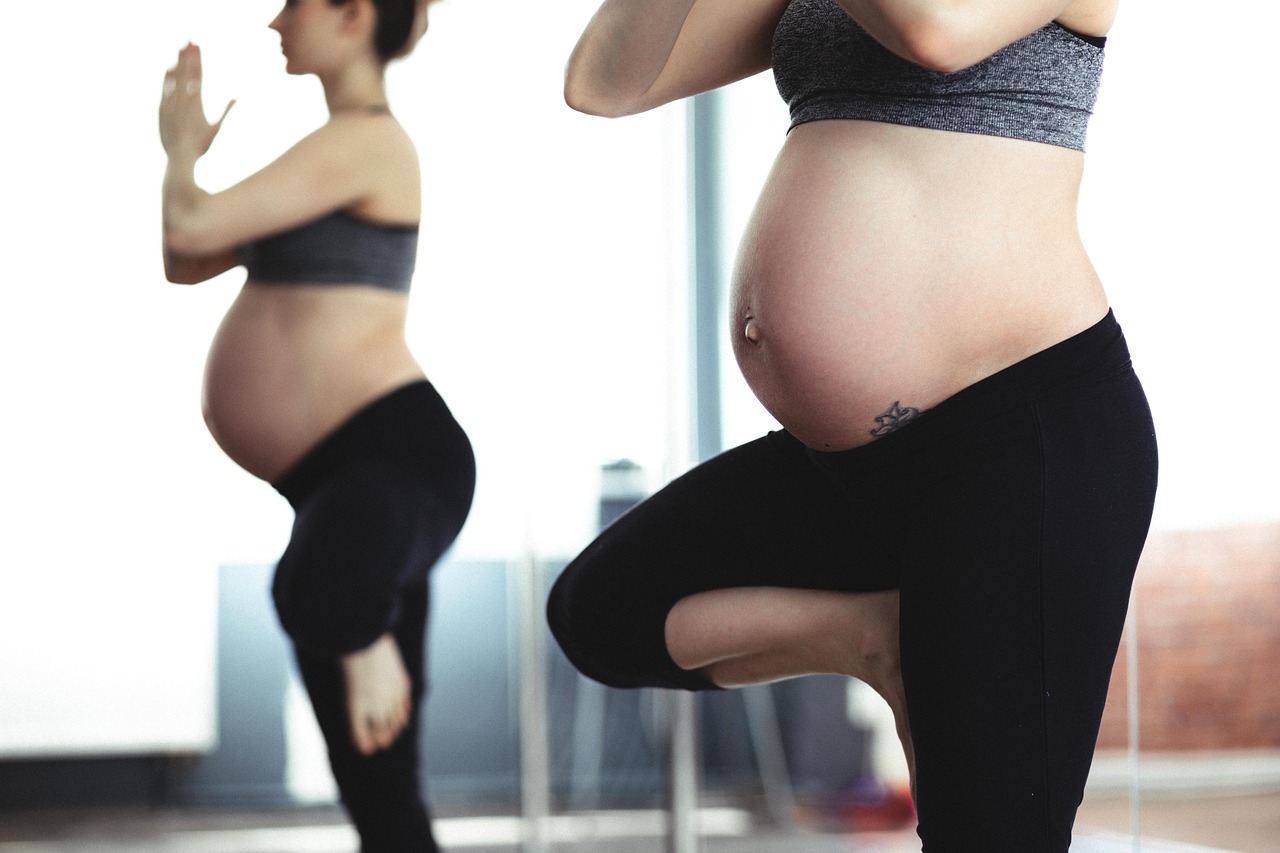
Some key exercises can help safely strengthen your core during pregnancy. One effective option is the modified plank. You can perform it on your knees instead of your toes to reduce pressure on the abdomen. Keep your back straight and hold for a manageable duration. Another beneficial exercise is the side-lying hip lift, which targets both core and hip muscles. Lie on one side, lift your hips, and hold for several seconds before lowering again. This exercise promotes stability and strength without putting too much strain on your body. Additionally, seated pelvic tilts can improve flexibility and reduce lower back discomfort. Sit cross-legged and gently rock your pelvis forward and backward. Incorporating yoga poses, such as cat-cow, can aid in building strength and flexibility while also relaxing your mind. Each of these exercises should be performed with intention and care. Focus on your body alignment and safety throughout each movement. Performing these exercises three to four times a week can significantly improve core strength. Ultimately, the goal is to enhance your physical health while enjoying the journey of pregnancy without overwhelming your body.
As your pregnancy progresses, modifications in your routine become essential. Always consult your healthcare provider before making significant changes. The first trimester allows for more intense workouts, while the second and third trimesters may require gentler modifications. Avoid any exercises that involve lying flat on your back during the later stages of pregnancy, as this can restrict blood flow. Instead, focus on seated or standing exercises and movements that ensure proper circulation. Core engagement also becomes crucial as you prepare for labor. Continuing core exercises right up to the due date can help maintain strength and flexibility. A strong core aids in effective pushing during childbirth as well. Engage a partner for support during workouts, making it a bonding activity. Group classes designed for pregnant women can also offer companionship and additional motivation. Remember to nourish your body, providing it with the necessary fuel to support both you and your growing baby. Listening to your body’s cues is vital; energy levels can vary, and rest is sometimes necessary. Embrace this time as a period of growth, allowing yourself the grace to adjust your routines as needed.
Importance of Postpartum Core Recovery
Postpartum recovery is equally significant as prenatal strengthening. After childbirth, the focus should shift toward healing and regaining core strength. It’s crucial to give your body time to heal, especially if you experienced a cesarean section or other complications. Gradually reintroducing core exercises in the postpartum period can aid recovery. Gentle core workouts can help rebuild abdominal strength and improve overall fitness. Focus on exercises that target pelvic floor engagement, such as kegel exercises, which are essential after childbirth. Remember that hormone levels fluctuate significantly in the postpartum period, impacting how your body feels during workouts. Begin with light exercises and gradually progress as comfort increases. Avoid rushing back into intense workouts; instead, be patient with yourself as you navigate this critical recovery time. Celebrating small milestones in your fitness journey is essential, as it boosts confidence. Additionally, engage in activities that facilitate bonding with your baby, like taking walks with the stroller. Both you and your newborn will benefit from gentle movements and the outdoors. Incorporating balance and strength together can pave the way for a strong core in the postpartum phase.
Incorporating core strengthening into your routine during pregnancy is a powerful way to support your health effectively. The benefits extend beyond physical strength; they encompass emotional well-being as well. Regular exercise can provide a sense of accomplishment, enhancing self-esteem. Connecting with other pregnant women can foster community support and shared experiences. Many resources are available, including online videos, classes, and physical therapists specializing in prenatal fitness. Avoid overly strenuous workouts or exercises, especially if you find them uncomfortable or challenging. Opt for gentle yoga or swimming workouts, as they provide low-impact options. Technology also offers various apps dedicated to prenatal fitness, allowing you to tailor your experience based on individual needs. An encouraging environment is essential for maintaining motivation throughout your pregnancy. Your fitness journey can be a beautiful way to celebrate the changes within your body. Make sure to prioritize safety above all else, integrating healthy practices into your life. Lastly, enjoy this special time and take delight in nurturing your body as it prepares for motherhood. Engaging in core strengthening can greatly enhance your experience through pregnancy and beyond.