
Hormonal Shifts in Aging Adults and Their Effect on Exercise
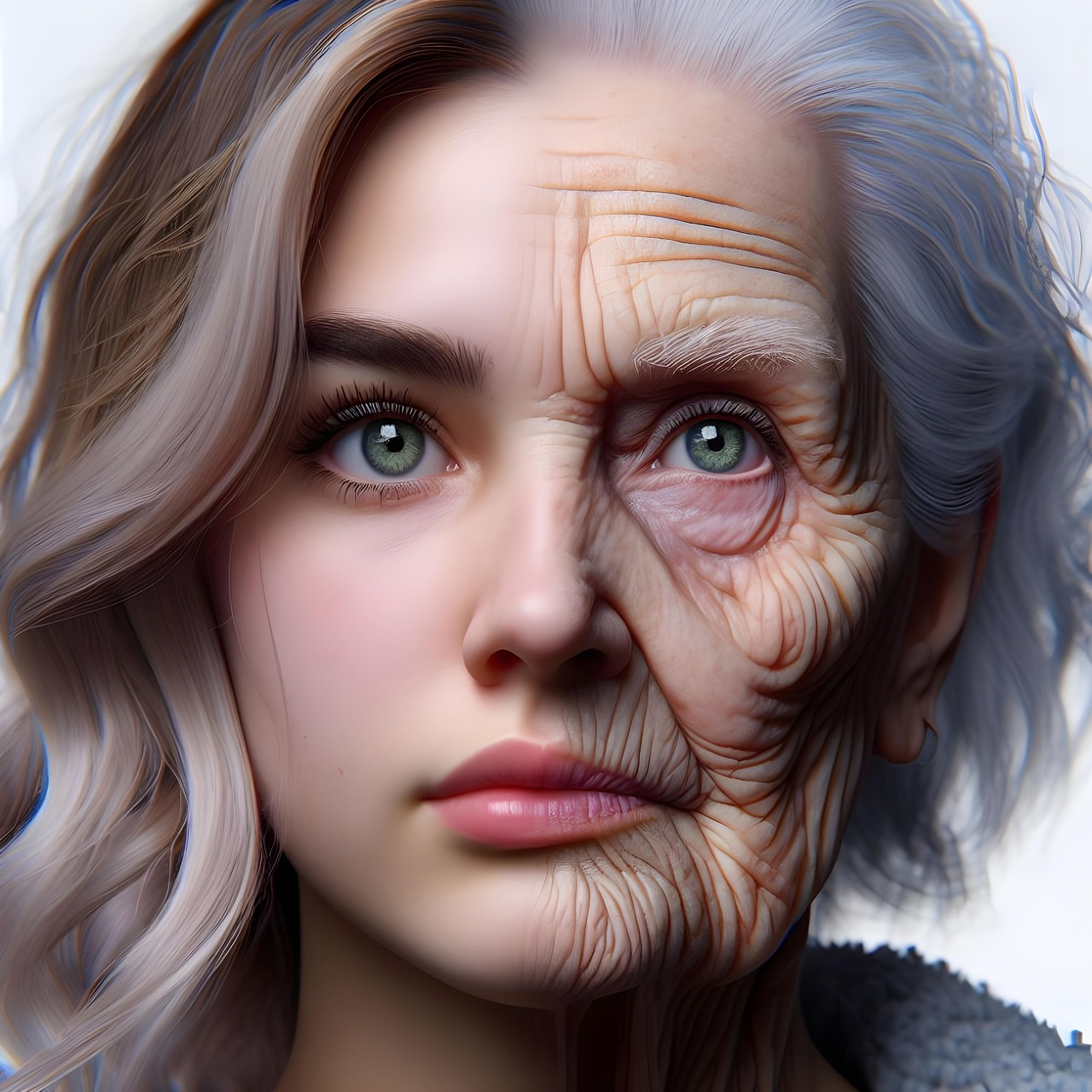
The process of aging brings about numerous biological changes, particularly in hormonal levels, which significantly impact fitness and physical capabilities. As individuals age, hormonal shifts occur naturally, affecting muscle mass, strength, and overall physical endurance. Most prominently, testosterone and estrogen levels decline with age, which can lead to decreased muscle repair and growth. This decline often results in muscle loss, known scientifically as sarcopenia, making it more challenging for older adults to engage in physical activities. Furthermore, changes in thyroid hormones can influence metabolism and energy levels, impacting the motivation to exercise. Understanding these hormonal shifts is crucial for developing tailored exercise programs for aging individuals to enhance their health. Regular strength and resistance training can counteract these effects, sustaining muscle mass and improving physical performance. Moreover, aerobic exercises can boost cardiovascular health, essential as aging adults often face an increased risk of heart disease. Hence, by recognizing the role hormonal shifts play, older adults can adopt effective fitness routines that cater to their evolving bodies and maintain a healthy lifestyle well into later years.
In addition to testosterone and estrogen, other hormones also play vital roles during the aging process. Growth hormone levels decline, potentially leading to reduced muscle mass and decreased recovery capacity following exercise. This hormone is essential for stimulating growth and regeneration, impacting the overall functionality and vitality of aging adults. Additionally, insulin sensitivity often decreases with age, leading to increased fat accumulation and challenges with effectively managing blood sugar levels. Regular physical activity can enhance insulin sensitivity, promoting better metabolic health. Dehydroepiandrosterone (DHEA), another hormone that decreases with age, has been associated with improvements in strength and endurance when appropriately balanced. The interplay between these hormonal shifts and their effects on exercise suggest that older adults may need specialized programs that consider these changes to optimize their results. It is essential for personal trainers and fitness professionals to understand these hormonal influences in developing safe and effective workout plans. This knowledge allows them to create exercise interventions tailored to older adults to address specific physiological challenges they may face, ultimately empowering them to lead more active and fulfilling lives.
Another important consideration regarding hormonal shifts in aging adults is the psychological aspect of exercise associated with these biochemical changes. Aging can lead to decreased motivation for physical activity, often exacerbated by hormonal imbalances. As aging individuals experience physical changes, such as diminished strength or endurance, they may feel less inclined to engage in exercise routines. Consequently, older adults may require additional support systems to enhance their motivation and adherence to fitness programs. This support could take the form of group classes or personal training sessions, where encouragement and camaraderie can positively influence exercise habits. Educational resources about the importance of staying active and information on how to safely progress in their exercise routines can help dispel fears related to potential injury. Moreover, understanding how hormones influence mood might empower older adults to develop coping strategies to address emotional barriers that hinder a regular fitness regimen. Cultivating an empowering environment that fosters confidence in their physical ability encourages older adults to engage in exercise more consistently, positively impacting not just their physical health but also their overall well-being.
Nutrition’s Role in Managing Hormonal Shifts
Nutrition plays a crucial role in managing the effects of hormonal shifts in aging adults, influencing their overall health and fitness. A well-balanced diet rich in essential nutrients can support hormonal balance and counteract age-related declines. Consuming adequate protein is vital, as it helps maintain muscle mass and repair tissues that may be compromised due to hormonal changes. Foods rich in omega-3 fatty acids, such as fish, can support cognitive health and help combat inflammation associated with aging. Incorporating whole grains, fruits, and vegetables into daily meals can provide the necessary vitamins, minerals, and antioxidants, all essential for optimal hormone function. Additionally, keeping well-hydrated is critical, as dehydration can affect both physical performance and hormonal balance. Some studies indicate that certain supplements, like vitamin D and calcium, may also play a role in regulating hormones and supporting bone health. Older adults should work with nutritionists or healthcare providers to develop individualized meal plans that reflect their changing nutritional needs while addressing these hormonal fluctuations, thus promoting healthier aging and improved fitness outcomes.
The timing of meals can also influence hormonal levels, particularly with aging adults. Consuming smaller, more frequent meals can help regulate insulin levels, supporting better sugar management throughout the day, and enhancing energy levels for workouts. Additionally, nutrient timing around exercise sessions plays a critical role; eating a balanced meal rich in protein and carbohydrates post-exercise can facilitate muscle recovery and harness the beneficial effects of exercise. With aging, metabolic rates often decline, necessitating adjustments to caloric intake to support fitness goals without leading to weight gain. Furthermore, hormone-level stabilizers from natural food sources can lead to better overall hormonal health. Staying aware of how food choices impact hormonal shifts, along with their exercise routine, can empower older adults to become proactive participants in their health journey. By collaborating with healthcare providers, focusing on nutrition’s role in mitigating the effects of aging hormones, and establishing solid meal routines that coincide with their workout schedules, older adults can enhance their overall fitness levels and maintain active lifestyles.
Incorporating various forms of exercise is essential for aging adults navigating hormonal changes. This diversity in workout types doesn’t only help in improving strength and endurance but also supports mental health by preventing monotony. It is essential to include resistance training for muscle preservation, cardiovascular workouts for heart health, and flexibility training to maintain joint health and mobility. Engaging in activities such as yoga or pilates can be particularly beneficial for older individuals, as they promote flexibility, balance, and strength while maintaining focus on mindfulness and mental clarity. Balancing these activities can assist with the management of stress, another critical factor influenced by hormonal levels. As stress hormones, particularly cortisol, can adversely affect both physical health and emotional well-being, incorporating relaxing activities is paramount for aging adults. Participating in regular exercise routines that consider these diverse factors ultimately supports healthier aging while maximizing the benefits associated with hormonal shifts. Therefore, encouraging older adults to adopt varied fitness programs will enhance their overall quality of life, allowing them to thrive in both physical and mental domains.
Conclusion
Understanding hormonal shifts in aging adults is crucial for enhancing their approach to fitness and overall well-being. By accounting for these changes, older adults can adapt their exercise routines, nutritional choices, and lifestyle practices to optimize their health. It is essential to promote awareness of the role hormones play in physical performance and well-being, empowering aging individuals to take control of their health journeys. Encouraging varied exercise, focusing on proper nutrition, and establishing supportive systems can help create a holistic approach to fitness in later years. Personal trainers, healthcare providers, and support groups play vital roles in guiding this process, providing the necessary education, motivation, and encouragement to help aging adults succeed in their fitness endeavors. By addressing these hormonal shifts head-on and adapting strategies that consider individual needs and capabilities, older adults can not only maintain their physical health but also lead enriched lives filled with vitality and purpose. Continuous engagement in physical activities positively enhances both longevity and quality of life, ensuring aging individuals can enjoy the active, fulfilling lives they desire.
In summary, the interaction between aging, hormonal changes, and exercise is complex and multi-dimensional. Active lifestyles can mitigate many of the adverse effects associated with aging hormones. A proactive approach that emphasizes the importance of targeted exercise, balanced nutrition, and positive mental attitudes can significantly enhance the quality of life for older adults. It is critical to remain aware of the nuances of hormonal shifts and their impact on physical capabilities. By fostering an environment that champions regular exercise and encouraging older adults to prioritize their health, we can create robust communities that uplift and empower all individuals to navigate aging gracefully. Success can be achieved through informed decision-making regarding fitness; such a mindset will also facilitate better adherence to exercise programs, dietary practices, and overall lifestyle changes. Partnering with fitness professionals can further enhance this journey, providing personalized advice that aligns with individual goals. Understanding how to effectively manage these hormonal shifts allows older adults to embrace their aging process positively, leading to enriched experiences well into their golden years.