
The Importance of Warm-Up and Cool-Down in Youth Dance Classes
In any dance class, especially for kids and teens, the importance of warming up and cooling down cannot be overstated. These processes serve as crucial components of a safe and effective training regimen. During warm-up sessions, dancers gradually elevate their heart rates and prepare their muscles for the demands of dancing. This efficient preparation helps to reduce the risk of injuries and ensures that students can perform at their highest level without strain. Furthermore, warm-ups also serve to enhance flexibility, coordination, and overall body awareness, all of which are essential to dance performance. Engaging in dynamic stretches and aerobic activities during this stage promotes blood flow and prepares the joints for more intense movements to come. This is especially vital for growing bodies, as adolescents are more susceptible to injuries if not properly conditioned before physical activity. Parents and instructors must emphasize the value of warm-up routines, as they have long-term benefits for all aspiring dancers. By fostering an understanding of the importance of these foundational practices, youth dancers can build a lifetime of healthy habits that will serve them well in their dance journey.
Following dance activities, a proper cool-down period is equally important for young dancers. This phase should not be overlooked, as it plays a significant role in the recovery process after intense physical activity. Cooling down helps to gradually lower the heart rate and assists in transporting oxygen to the muscles that were engaged throughout the class. Doing so can prevent dizziness and ensure a smooth transition from dancing to resting. Moreover, this practice significantly contributes to flexibility by incorporating static stretches that effectively elongate muscles and promote relaxation after exertion. Dancers who regularly perform cooldown routines may experience less muscle soreness after classes, ultimately enhancing their overall performance in future sessions. Additionally, it is an opportunity for instructors to encourage students to reflect on their performance, identifying areas for improvement in both technique and execution. Incorporating breathing exercises during this cool-down phase can further help in centering young dancers, encouraging mindfulness and body awareness. Creating a habit of thorough cooldown routines can foster a healthier relationship with physical activities, enhancing their enjoyment and discipline in dance. Teachers should emphasize the significance of this ultimate phase of every lesson to promote lifelong fitness habits in their students.
In conclusion, the practice of warming up and cooling down in youth dance classes is non-negotiable for promoting physical health and performance levels among kids and teens. These activities establish a fundamental framework that fosters safer dance practices and enhances overall enjoyment. By incorporating fun and engaging warm-up routines, instructors can encourage students to develop a positive mindset toward physical preparation. Additionally, implementing cooldown practices can enhance students’ mental well-being by providing a calming closure to energetic sessions. Not only do these practices help in minimizing injury risks, but they also teach young dancers the importance of self-care, a valuable lesson that transcends beyond just the dance studio environment. Ensuring that kids and teens understand the role of warm-ups and cool-downs can promote long-lasting appreciation for dance and fitness. Educators and parents alike can support youth dancers by introducing them to these critical practices and emphasizing their benefits. This commitment to an all-encompassing approach to dance training will cultivate resilience, artistry, and physical competence in young dancers. Ultimately, engaging in these habits consistently will result in healthier and happier dancers who are mindful of their bodies and capabilities.
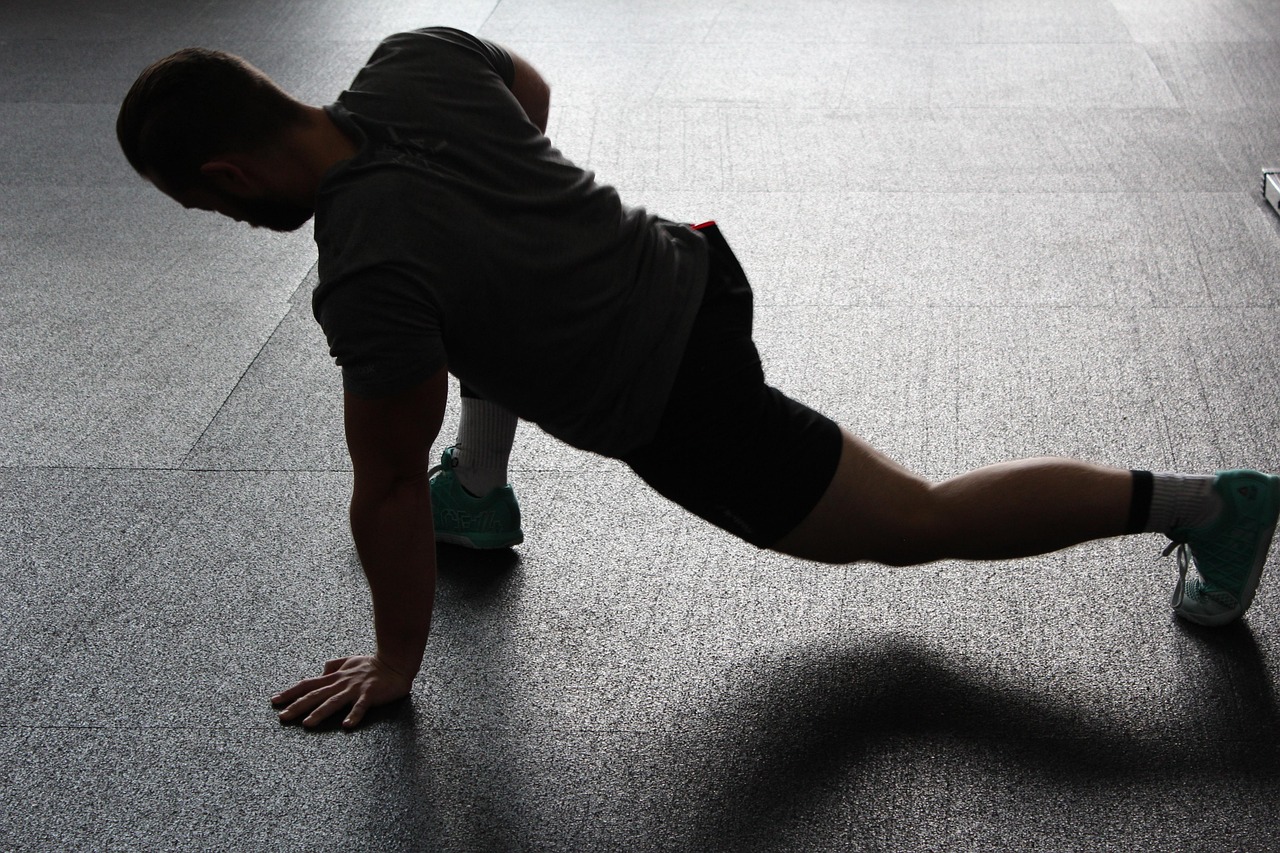
To make warm-ups and cool-downs successful, teachers can incorporate various engaging activities that appeal to younger dancers. For instance, using popular songs for warm-up routines can create excitement among kids while allowing them to prepare physically. Activities such as light jogging, dynamic stretching, and playful mobility exercises encourage student participation. Moreover, incorporating partner stretches during cooldown sessions can foster teamwork and strengthen bonds among peers, enhancing the dance community. Including different types of stretches such as lunges, quadriceps stretches, and shoulder rolls can ensure that all major muscle groups are addressed during these crucial phases. Instructors can also customize these warm-up routines by incorporating movements and steps that align with upcoming dance routines, making them relevant and exciting. Finding ways to include games or challenges during warm-ups can also stimulate a fun environment while fostering physical readiness. Teachers should introduce a variety of activities that keep students engaged and enthusiastic about warming up and cooling down. Through creativity and adaptability in these practices, instructors can help youth dancers view them as enjoyable parts of their training journey rather than chores.
Education is equally necessary when it comes to fostering a better understanding of warm-up and cool-down benefits in dance classes. Short discussions or demonstrations can precede these activities to explain their importance clearly to young learners. Instructors might utilize visual aids or videos to illustrate how these processes help in injury prevention and enhancing performance. Educators should also encourage students to share their perspectives regarding warm-ups and cool-downs, stimulating discussion and emphasizing their personal experiences. By involving young dancers in the process, educators can empower them to take responsibility for their physical well-being as well. Regular feedback sessions can further allow instructors to gauge students’ understanding and modify activities accordingly to address their needs. Creating an environment conducive to open dialogues about fitness and movement can instill a mindset of lifelong learning and risk awareness in dance. By emphasizing thoughtful discussions surrounding these practices, it can forge deeper connections between educators and students and result in more engaged and motivated youth dancers. Additionally, this education can motivate young dancers to incorporate these essential habits into their daily lives, enhancing their enjoyment of dance.
In collaboration with educators, parents also play a vital role in supporting the importance of warm-up and cool-down routines in dance classes. They can reinforce these practices at home, encouraging their children to perform warm-up exercises before engaging in dance-related activities. Creating family routines centered on movement can promote physical fitness engagement among the family, making healthy habits enjoyable. Educators can provide parents with handouts or resources that serve as guides for incorporating warm-up exercises as a family activity. Still, they should also inform parents about the potential benefits of cooling down post-class, making it a part of the after-class routine. Just as instructors teach students about self-care, parents should echo these messages of physical preparation and recovery. Family discussions on the significance of these practices can serve as a strong foundation for fostering healthy perspectives on physical fitness. By building a supportive environment both at home and in the studio, young dancers can thrive and develop their passion for dance responsibly. A collaborative approach in promoting these vital practices leads to well-rounded and informed youth dancers who value their well-being.
Ultimately, the journey of nurturing youth dancers goes beyond just teaching them routines; it involves instilling principles that enable them to appreciate their bodies and the art form they are passionate about. Encouraging the practice of warm-ups and cool-downs can serve as stepping stones towards achieving this aim. Classes that prioritize these vital components strike a balance between enjoyment and physical safety, allowing young dancers to flourish in creativity while minimizing injury risks. Educators must continue to innovate their approaches toward warming up and cooling down, ensuring that these activities remain appealing and relevant for varied age groups. Highlighting the significance of a strong foundation in these practices lays the groundwork for future success, whether in dance or other physical pursuits. Emphasizing mindfulness and self-awareness will play a crucial role in shaping dancers not merely as skilled performers but also as informed individuals. By leading by example, educators can cultivate an environment that promotes resilient and healthy dancers contributing to a vibrant dance community. Ultimately, the commitment to these vital routines will empower youth dancers to navigate their journey with confidence and joy, leading to lasting appreciation.
As for the overall long-term impacts of incorporating warm-up and cool-down routines into every youth dance program, benefits can cascade through various phases of a dancer’s life. Those who grasp these practices will likely carry this knowledge into adulthood, thereby promoting lifelong fitness and well-being. Instructors can serve as invaluable mentors not only in dance but in teaching life lessons about discipline and commitment to health practices. The social aspects of dance classes can further enhance these routines as students collaborate, set goals, and support one another in learning. Building friendships through shared physical experiences can create lasting bonds rooted in health and creativity. Encouraging youth dancers to take ownership of their own warm-up and cooldown practices can instill vital skills that extend beyond dance itself. They learn how to listen to their bodies, recognize when they need to warm up or stretch, and understand the significance of self-care in all aspects of life. With consistent support from instructors and parents alike, young dancers will graduate into informed custodians of their health who can appreciate their passionate pursuit of movement while safeguarding their bodies. Such a loving and nurturing community ultimately paves the way for a prosperous and sustainable dance journey, both within and beyond the studio walls.