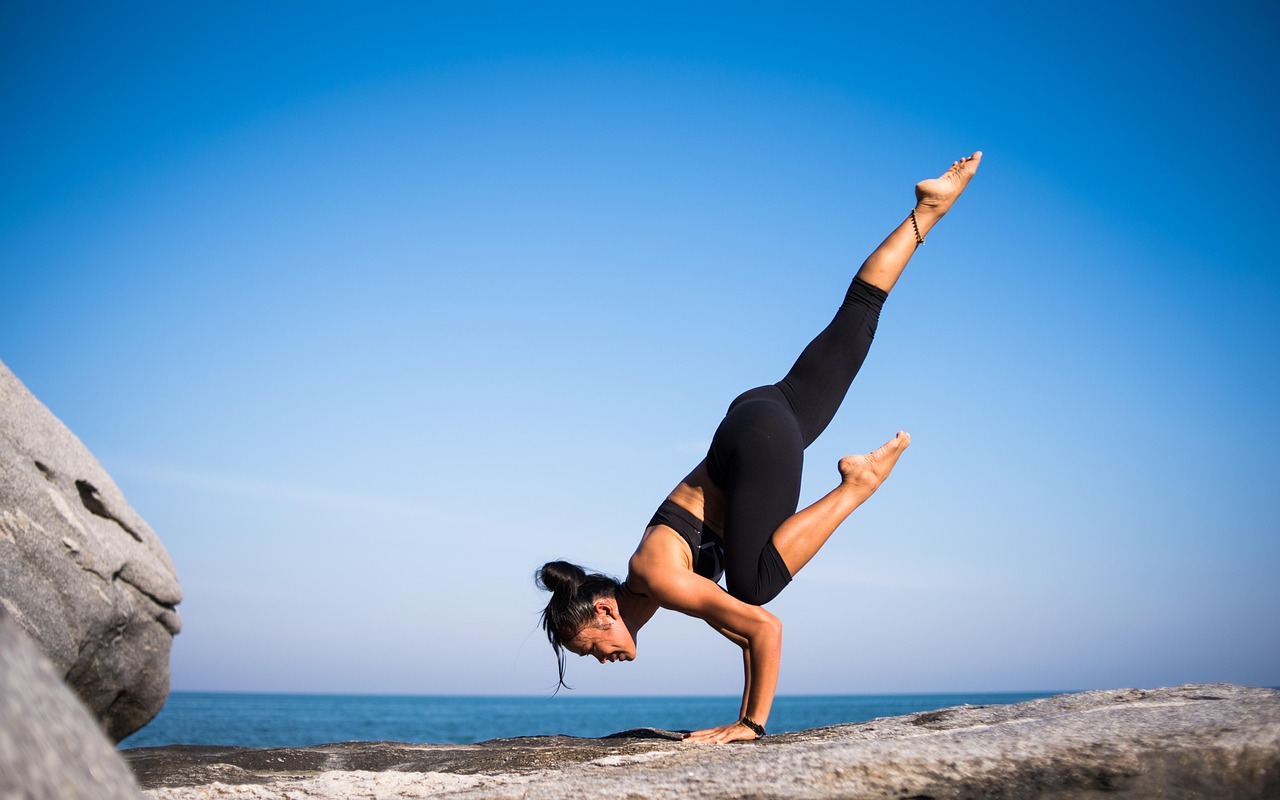

Integrating Yoga with Tai Chi for Improved Coordination
Yoga, a practice rich in philosophy and movement, complements Tai Chi in enhancing balance and coordination for individuals of all ages. Both disciplines encourage awareness of body movements through controlled breathing while focusing on various postures or forms. Practicing these activities regularly provides significant benefits in maintaining physical stability as one advances in age. In today’s fast-paced world, the necessity to remain agile and prevent falls cannot be overstated. Integrating the flexibility and strength developed in yoga with the fluidity and grace of Tai Chi creates a synergistic approach to balance. This hybrid practice emphasizes slow, deliberate movements paired with mindfulness, ensuring practitioners engage in both mental and physical wellness. Studies have shown that regular participation in such combined activities can lead to improved muscle activation and neural systems responsible for maintaining balance. Furthermore, individuals with mobility issues, including seniors, have begun to recognize the importance of these practices in their daily lives. By focusing on coordination and stability, one fosters a sense of accomplishment that encourages them to pursue further physical activity and well-being.
In exploring the basic principles of both Yoga and Tai Chi, we find that these disciplines utilize similar philosophies centered on balance. Yoga postures, called asanas, require alignment and focus that enhances core strength, which is pivotal for coordination. Tai Chi movements, known for their slow, flowing transitions, invite the participant to engage every part of their body mindfully. When combined, these two practices yield a holistic exercise regime that promotes steadiness, agility, and resilience. Beginners can start this journey by exploring simple yoga poses such as Tree Pose or Warrior II, while simultaneously integrating Tai Chi movements like Grasp the Bird’s Tail. Starting slowly ensures that newcomers can build confidence as they refine their balance technique. Additionally, as practitioners master basic movements, they can gradually begin to incorporate more advanced poses and sequences. Both practices emphasize the importance of breath and focus, ultimately reinforcing the mind-body connection. Consequently, this connection promotes relaxation and mental clarity while also deepening physical engagement. Embracing this dual approach invites participants to explore a newfound appreciation for their bodies and the capacities they possess while enhancing their balance and coordination.
The Benefits of Combining Practices
Combining yoga and Tai Chi offers numerous benefits not only for physical stability but also for mental health. Research has shown that consistent practice in these areas can reduce anxiety, improve mood, and foster relaxation. By incorporating meditation techniques from both disciplines, practitioners can learn to focus their thoughts and eliminate distractions, which can ultimately enhance their balance. Improved coordination from the combination of practices leads to increased body awareness, allowing individuals to recognize their limits and avoid potential injuries. Individuals engaged in a holistic lifestyle experience enhanced cognitive functions and better decision-making skills due to the mindfulness fostered in both yoga and Tai Chi. Participants also tend to achieve better postural alignment as these practices strengthen the core, facilitating ease in everyday tasks and activities. Furthermore, the supportive community atmosphere present in both yoga and Tai Chi classes provides an incredible support network, encouraging collaboration and engagement. Many enjoy sharing their experiences, which fosters a lifelong commitment to health and wellness. Overall, integrating yoga with Tai Chi cultivates an informed perspective on balance, ultimately allowing practitioners to carry forth these valuable lessons into their daily lives.
The transition from yoga to Tai Chi can be eased by understanding the flow of each discipline. Practicing the sun salutation in yoga promotes warmth and flexibility. Following this with Tai Chi movements builds a seamless connection between the two practices. This flow not only augments physical capacity but also sharpens cognitive awareness, streamlining the thought process. When participants maintain their focus on breath, movements can occur naturally, without undue strain. This synergistic relationship addresses the importance of maintaining balance through coordinated movements. As students become more familiar with the dual practice, they may begin to explore the dynamic between grounding in yoga and flowing in Tai Chi. Additionally, integrating meditation as a precursor to physical practice enhances the mind-body connection, training individuals to maintain an acute awareness of their surroundings. Similarly, incorporating relaxation techniques into this integration fosters a sense of calmness essential for effective practice. It is this fluid transition between yoga and Tai Chi that can lead to improvements in coordination, lower anxiety levels, and greater physical and mental resilience. Over time, practitioners will notice substantial strides toward achieving a more balanced and harmonious existence.
Incorporating Mindfulness into Practice
Mindfulness plays a critical role in both yoga and Tai Chi practices, enhancing the overall experience while promoting better coordination. Practicing mindfulness involves directing one’s attention to the present moment, making it indispensable for maintaining focus during movements. Integrating mindfulness allows practitioners to perceive how their body interacts with the environment, amplifying awareness of stability and balance. Encouraging participants to observe their thoughts and feelings can help reduce distractions that may arise during practice. This approach ensures that they commit to learning new poses and sequences without mental interference. Regularly assessing one’s body stance fosters an understanding of their range of motion, which encourages practitioners to explore their limits safely. Meditation, supported by breathwork, reinforces this process, allowing individuals to remain calm, composed, and centered during both yoga and Tai Chi sessions. Participants will also find that coordination improves through mindful practice, as they begin to synchronize their movements with their breath. Over time, this cultivated awareness contributes to a deeper appreciation for the practices, leading toward a more profound sense of accomplishment and satisfaction in coordination challenges.
As individuals engage in a combined routine of yoga and Tai Chi, establishing a regular schedule becomes crucial for maximizing benefits. Consistency is key in reinforcing balance and coordination skills. Practitioners should consider creating short, focused sessions that cater to individual needs. This approach may involve spacing out classes throughout the week or establishing a daily practice, even if brief. Incorporating variety further enhances motivation, as varying poses and Tai Chi movements helps prevent stagnation and boredom. Engaging in local classes fosters community support, allowing individuals to share their experiences while learning together. Moreover, exploring online resources or virtual sessions can offer flexibility for individuals who may find traditional classes challenging to attend. Creating a comfortable practice space at home allows participants to cultivate the space they need to flourish. As comfort improves, they can make tailored adjustments to each session based on personal goals. The beauty of integrating yoga and Tai Chi lies in the adaptability of each practice, allowing a personalized experience that resonates with individual needs. This adaptability further encourages perseverance and commitment to enhancing one’s balance and coordination for years to come.
Conclusion
Ultimately, incorporating yoga and Tai Chi for balance and coordination results in significant physical and mental benefits. As practitioners develop their skills, they foster a deeper connection to their bodies, encouraging a proactive approach to their health. Through this integration, an enriched understanding of balance emerges, translating into improved quality of life for individuals at all stages. Such practices empower individuals to explore newfound abilities while cultivating an enduring appreciation for movement. Additionally, community support binds practitioners together, encouraging open dialogue regarding personal experiences while sharing tips that refine techniques. Over time, individuals find themselves not only enhancing coordination but also embodying a more disciplined, mindful approach to life. Embracing the journey of integrating yoga with Tai Chi can ignite a passion for lifelong well-being. The resulting synergy promotes physical grandeur alongside emotional resilience, allowing participants to navigate life’s challenges with grace and steadiness. This transformative union of practices cultivates adaptability in the face of adversity, ultimately nurturing confidence in personal development. By committing to this shared path, practitioners will discover endless avenues for growth, culminating in a more balanced and harmonious existence.
As your journey through yoga and Tai Chi unfolds, dedication remains paramount. Consciously engaging in these practices regularly can reinforce the benefits outlined in the previous paragraph, ensuring long-lasting improvement in coordination and balance, while simultaneously nurturing mental wellbeing.