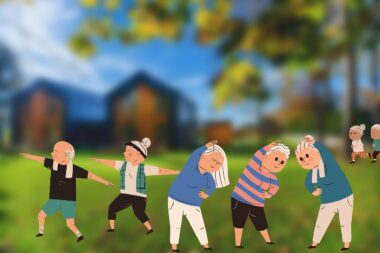

How to Start a Low-Impact Cardio Routine for Seniors
Starting a low-impact cardio routine can be an essential part of maintaining health and vitality in seniors. Cardio exercises contribute significantly to improving heart health, enhancing endurance, and supporting overall physical fitness. Before beginning any new exercise program, it is crucial to consult a healthcare professional to ensure safety, especially for seniors who may have pre-existing conditions. Identifying the safest and most effective cardio exercises involves considering the individual’s current fitness level. Walking, cycling, and swimming are popular low-impact options that reduce stress on the joints while still offering substantial cardiovascular benefits. Establishing a consistent schedule helps in creating a habit, and even short sessions can yield results. It is important for seniors to listen to their bodies, especially if they experience pain or discomfort. Ensuring proper hydration and nutrition can also boost performance. Aim for at least 150 minutes of moderate aerobic activity weekly, which can be broken down into manageable sessions throughout the week. Setting realistic goals can help maintain motivation and track progress. So, gather the necessary gear, wear comfortable clothing, and prepare to embark on a rewarding journey toward better health.
Choosing the Right Activities
When exploring options for low-impact cardio activities, seniors should focus on exercises that they find enjoyable and engaging. This makes it easier to stick to the routine. Some effective low-impact options include:
- Walking: Perhaps the easiest option, walking can be done almost anywhere and requires no special equipment.
- Swimming: This activity is highly beneficial since it works the entire body while being gentle on the joints.
- Biking: Using stationary or regular bikes is great for cardiovascular health.
- Aerobic classes: Many fitness centers offer classes specifically catered to seniors.
- Dancing: Enjoying music while dancing is a fun way to get moving and improve coordination.
It is also advisable to try different activities before committing. This experimentation can help discover preference, personal limitations, and which options yield the most enjoyment. Ultimately, consistency is key to achieving desired fitness results and maintaining an active lifestyle for seniors.
Incorporating variety into a senior’s routine not only combats boredom, but also enhances overall fitness levels. Different activities work various muscle groups, providing a more comprehensive workout. Additionally, this variety helps prevent injuries associated with repetitive movements. Ensuring each session includes a warm-up and cool-down is fundamental. Warming up helps prepare the body by gradually elevating the heart rate and loosening the muscles, while cooling down aids in recovery, preventing dizziness or soreness. Seniors should consider a balance of cardio, strength training, and flexibility exercises throughout the week. Strength training helps maintain muscle mass, which is vital as we age, and flexibility enhances joint mobility. Introducing stretching exercises such as yoga can provide numerous advantages, including improved balance, stability, and relaxation techniques for stress management. Environmental factors should also be considered. Opting for outdoor activities in pleasant weather can yield feelings of well-being. Conversely, during extreme temperatures, indoor alternatives should be preferred. Making the activity social, by involving friends or family, can also provide motivation and make the experience more enjoyable. Building relationships fosters accountability and sets a positive atmosphere for pursuing fitness goals.
Setting Goals and Tracking Progress
Setting achievable goals for a low-impact cardio routine is vital for motivation and success. Having specific objectives can help provide direction and a sense of accomplishment. Start by determining individual fitness levels by assessing current activity capabilities and preferences. Then, older adults should aim for realistic short-term and long-term goals, tailored to their lifestyles and personal preferences. Short-term goals might include gradually increasing walking durations or trying a new class weekly. Long-term goals should involve milestones such as completing a 30-minute walk or attending a fitness class consistently for a period of time. Tracking progress effectively can enhance motivation. Consider using a fitness journal or mobile applications to monitor completed workouts and achievements. Recording advancements or challenges may help identify patterns and areas for improvement. Additionally, celebrating accomplishments, no matter how small, can be very rewarding. Positive feedback can boost self-esteem and encourage continued effort. Seeking support from friends or family members, who may also participate in the routine, can further enhance motivation. Staying positive and patient during the journey to better health is crucial, even amidst setbacks.
To ensure a successful low-impact cardio routine, it’s essential to incorporate some fundamental safety tips. Prior to starting any exercise, seniors should pay close attention to their physical condition and address any concerns with their healthcare provider. This professional advice is crucial in determining appropriate activities and deciding on exercise intensity. Wearing proper footwear designed for the selected activity contributes significantly to foot support and overall comfort. Look for shoes with cushioning and stability, reducing the risk of falls or injuries. During exercise, it’s vital to stay hydrated, especially while participating in prolonged activities. Seniors should carry water during their sessions or ensure they are well-hydrated beforehand. Another important aspect involves listening to one’s body—soreness can be normal, but pain is an indicator that adjustments may be necessary. Rest days are a crucial component of any exercise program, allowing time for recovery. Making it a habit to stretch before and after workouts promotes flexibility and can help prevent injuries. Finally, indulging in social activities during workouts contributes to maintaining a sense of community and accountability, fostering sustainable engagement in the low-impact cardio routine.
The Role of Nutrition
Nutrition holds a vital role in supporting a senior’s low-impact cardio routine. Eating a balanced diet can provide the necessary fuel to maintain energy levels and support heart health. Seniors should focus on incorporating a variety of fruits, vegetables, whole grains, lean proteins, and healthy fats into their daily meals. Foods rich in antioxidants, omega-3 fatty acids, and fiber can contribute to improved cardiovascular health, which is essential when engaging in any physical activity. Staying hydrated is equally important, as it aids in physiological functions during and after workouts. Dehydration can lead to fatigue or dizziness, detracting from exercise effectiveness. Avoiding excessive amounts of processed foods, sugars, and saturated fats can also greatly impact overall health and energy. Maintaining stable blood sugar levels aids in sustaining focus during workouts and daily activities. Scheduling regular, smaller meals throughout the day can help regulate energy. Consulting with a registered dietitian may provide valuable insights into meal planning tailored to individual preferences and health conditions. By pairing proper nutrition with consistent exercise, seniors can enhance their cardiovascular well-being, fostering a happier and healthier lifestyle.
Acknowledging the myriad of benefits that a low-impact cardio routine can provide is essential for seniors. Engaging in regular exercise can lead to improvements in cardiovascular health, adding years of vitality and quality of life. Studies indicate that seniors who maintain an active lifestyle experience reduced risks of heart disease, hypertension, and cognitive decline. Additionally, regular exercise contributes to better balance and coordination, decreasing the risk of falls—this is particularly relevant for seniors, as falls can lead to serious injuries. Beyond the physical benefits, exercise positively influences mental health by reducing anxiety and depression levels. Increased endorphins foster a sense of well-being and happiness. Establishing routine breaks for socializing can create opportunities for building relationships and pursuing shared interests. Encouragement from others promotes accountability and amplifies the positive experience associated with fitness activities. Always remember, embarking on a low-impact cardio routine doesn’t necessitate perfection. Progress will be gradual, but persistence is vital. So, enjoy the journey toward improved health and increased happiness! It’s never too late to adopt healthier habits and transform your life positively through consistent low-impact cardio exercises.