
Common Muscle Building Mistakes Women Should Avoid
Muscle building is often misunderstood by women, leading to common mistakes. One prevalent misconception is that lifting weights will result in bulkiness, which creates fear of resistance training. In reality, women do not have enough testosterone to build large muscles like men. Instead, lifting weights helps to tone and strengthen our bodies. Lifting light weights with high repetitions may not stimulate muscle growth effectively. Therefore, heavier weights should be incorporated into training routines. Additionally, many women neglect compound exercises, such as squats and deadlifts, which work multiple muscle groups. Incorporating these exercises can accelerate muscle gains, enhance overall strength, and foster better functional fitness. Nutrition also plays a critical role, yet some women restrict protein intake unnecessarily. Eating adequate protein supports muscle repair and growth, essential for successful training. Another mistake is insufficient recovery between workouts. Muscles need time to recover and grow stronger. Finally, women often lack consistency in their training approaches. Establishing a well-structured routine is vital for achieving fitness goals. Focus on building strength progressively, ensure proper nutrition, and remain consistent to see lasting results in muscle building.
Another common mistake women make in their fitness journeys is setting unrealistic expectations. Instant results are misleading and can lead to frustration. Quality muscle building takes time, patience, and effort. Many ladies expect quick results and feel disheartened when they do not see immediate progress. Accepting that muscle building is a gradual process is crucial for maintaining motivation. Instead of fixating on the scale, focus on genuine strength improvements and how your body feels. Journaling workouts can help track progress, focusing not just on appearance but also on increased strength, endurance, and energy levels. Furthermore, many women skip flexibility training in favor of solely building muscle, which can lead to injuries. Adequate flexibility supports muscle growth and overall performance. Practices like yoga or dedicated stretching routines can greatly enhance flexibility. Another pitfall is ignoring the importance of professional guidance. Not seeking help from a trainer or fitness expert can lead to poor technique or inadequate workout plans. Lastly, many women fall victim to fitness fads or trends that promise quick results without understanding their own bodies. Prioritizing research along with personalized programs is essential for sustainable success.
Neglecting Proper Nutrition
Nutrition plays an integral role in muscle building, yet it is often overlooked by women seeking fitness goals. Some individuals fall into the trap of restrictive diets that eliminate essential nutrients necessary for muscle growth. Not consuming enough calories can hinder progress and lead to energy deficits, making workouts less effective. Aim for a balanced diet rich in whole foods, lean proteins, and healthy fats to fuel workouts. Incorporating a variety of nutrient-dense foods ensures adequate vitamin and mineral intake. Consuming protein-rich foods post-workout aids in muscle recovery, helping to optimize gains. It’s also vital to stay hydrated, as water is crucial for optimal performance and recovery. When engaging in a muscle building program, focusing solely on protein and neglecting carbs is counterproductive. Carbohydrates provide energy for workouts and should not be demonized. Also, ensure healthy snacks are incorporated throughout the day to fuel workouts, which promotes better performance and energy management. Planning meals ahead of time can help maintain consistency without resorting to unhealthy options, leading to better long-term outcomes. Make nutrition a priority in the muscle building journey for optimal results.
Another mistake women often make is neglecting to track their workouts effectively. Keeping track of progress is essential for identifying improvements and areas needing focus. Without a systematic approach, it becomes challenging to gauge success or know when to increase the weights. Regularly updating workout logs can help women see how far they have come and maintain motivation. Also, not switching up the workout regimen regularly can lead to plateaus in progress. The body adapts quickly to exercises, so varying routines can foster continued growth. Incorporate different strength training modalities to keep sessions engaging and impactful. Another frequent oversight is focusing solely on muscle building without integrating cardiovascular training. While muscle development is critical, cardiovascular health contributes to overall fitness and enhances workout capacity. A well-rounded fitness program includes both strength training and cardio exercises for balanced physical health. Women also tend to underestimate the importance of rest days. Muscles need recovery time to rebuild and grow; inadequate rest can lead to burnout or injuries. Finally, relying solely on motivation instead of discipline could derail training progress in the long run. Cultivating habits ensures a consistent approach to fitness.
Ignoring Form and Technique
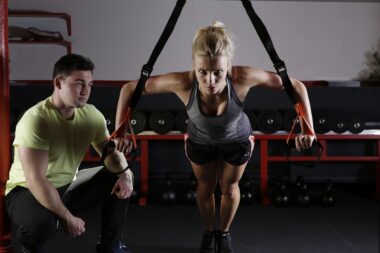
Proper technique is paramount in any strength training program, yet many women often overlook its significance. Focusing solely on lifting heavier weights can lead to poor form, increasing the risk of injuries. Understanding the correct posture for each exercise ensures that muscles engage effectively while minimizing strain. Enlisting the help of a personal trainer or knowledgeable friend can provide crucial insights into proper techniques. Another common mistake is performing exercises too quickly, leading to ineffective workouts. Slow, controlled movements aid in maximizing muscle engagement and efficacy. To achieve the best results, prioritize form over sheer weight. The relevance of warming up cannot be overstated, as neglecting this can cause injuries. Taking time to properly warm up prepares muscles for workouts and enhances performance. Many women fail to listen to their bodies, pushing through pain instead of addressing it. Understanding the difference between discomfort and pain is essential; pain often indicates improper movements or overtraining. Incorporating mobility and flexibility work can help in avoiding injury and improving overall fitness. Developing a solid foundational knowledge around proper form will enhance training effectiveness and increase longevity in your fitness journey.
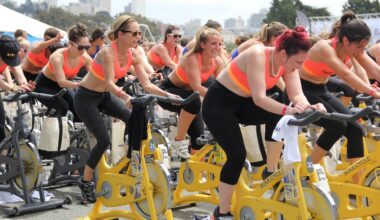
Many women make the mistake of becoming too focused on isolation exercises without integrating comprehensive movements into their routines. Isolation exercises work on specific muscles but do not contribute as significantly to building overall strength and coordination. Instead, compound exercises, such as bench presses, squats, and pull-ups, engage multiple muscle groups simultaneously and increase functional strength. These movements also help to build muscle more efficiently. Additionally, adopting an all-or-nothing mentality can be detrimental. Women often view exercise as a strict commitment and give up if they cannot adhere to a set routine. Exploring various fitness methods and allowing flexibility in training schedules can maintain motivation. Women should also be cautious about overtraining, which can lead to burnout. Balance is essential for both physical and mental health to see progress sustainably. Furthermore, falling into the routine of comparing oneself with others can sabotage personal progress. Emphasizing individual achievements and focusing on personal goals will foster a healthier mindset. Finally, many women disregard seeking community support or accountability. Engaging in group classes or finding workout partners can provide motivation and encouragement, making the fitness journey enjoyable and successful.
Failing to Set Goals
Setting realistic and specific goals is essential for progress in muscle building. Many women fail to establish clear objectives, leading to vague undertakings that lack direction. Setting SMART (Specific, Measurable, Achievable, Relevant, Time-bound) goals allows for achievable milestones. It’s not-enough to generalize fitness aspirations like ‘getting fit’; focusing on specifics, such as increasing squat weight or running a certain distance within a set time, is far more effective. Regularly updating and revisiting these goals can foster motivation, pushing oneself to improve consistently. Another mistake lies in the tendency to set only short-term goals, neglecting long-term aspirations. Balancing between short-term achievements and long-term transformations can provide a broader sense of accomplishment and maintain the participant’s focus. Furthermore, not celebrating accomplishments can dampen morale. Acknowledging progress, even small achievements, creates a more positive mindset and encourages perseverance. Drafting a vision board or journal to track progress can serve as a powerful reminder of successes. Finally, traditional goal setting can lead to disappointment without flexibility. Adapting goals in response to life’s changes ensures that they remain realistic and foster continued engagement with the fitness program. Embrace goal setting as a vital element of the muscle building journey.
Moreover, not incorporating a variety of training styles is a missed opportunity. Many women adhere to a single style of workout, which can lead to imbalances and boredom. For muscle building, combining elements of strength training, HIIT (High-Intensity Interval Training), and functional fitness can enhance overall results. Diverse workouts keep it fresh and exciting, making exercise less of a chore. Another mistake could be the neglect of mental health aspects while focusing solely on physical gains. The synergy between mental fitness and physical strength is essential. Managing stress, getting enough sleep, and practicing mindfulness can improve workout efficiency. Women may fall into the trap of overcomplicating fitness. Simplifying the training regimen while focusing on essential movements can yield better outcomes. Adopting a no-nonsense approach may boost adherence. Finally, some women underestimate the importance of accountability. Discussing fitness goals with friends, or joining workout groups can provide the necessary inspiration and motivation to keep progressing. Emphasizing connections with others can create a support system. In conclusion, avoiding common muscle building mistakes ensures a more successful and rewarding fitness journey. With the right knowledge and approach, women can reach their fitness goals effectively.