
Navigating the Grocery Store: A Vegetarian’s Guide
Grocery shopping as a vegetarian may seem challenging, but it can also be highly rewarding. With an increasing number of individuals adopting plant-based diets, grocery stores are evolving to meet these demands. The key to successful vegetarian grocery shopping lies in preparation and strategy. Start by creating a detailed shopping list that includes fresh produce, grains, legumes, and plant-based protein sources. Check the local store ads for sales on items that align with your needs. It’s essential to familiarize yourself with the layout of your grocery store. This way, you can locate all vegetarian-friendly sections efficiently. Look for areas designated for organic products, as these often feature a higher variety of vegetarian options. Likewise, explore international sections where you might find unique ingredients. Investigating local farmers’ markets can also be beneficial, offering fresh fruits and vegetables. Being aware of which brands offer vegetarian and vegan products is advantageous, as this ensures you’re purchasing items that align with your dietary preferences. Additionally, consider checking for the vegan label or symbols on packaging. These tips can significantly ease the shopping experience and provide a sense of accomplishment.
A vital aspect of grocery shopping involves understanding product labels. Familiarizing yourself with common terms like ‘vegan’, ‘vegetarian’, ‘plant-based’, and ‘cruelty-free’ can help in making informed choices. However, not all labels are straightforward. Some products may highlight certain ingredients prominently while hiding others. Thus, careful scrutiny of the ingredient list is essential. Avoiding animal-derived ingredients such as gelatin, casein, or rennet is crucial for strict vegetarians and vegans. Additionally, many items may contain hidden animal-based substances, so check for terms like ‘natural flavors’ that might include animal products. Furthermore, being mindful of cross-contamination with meat products in manufacture is essential. If you have dietary restrictions, it might be helpful to seek out specific brands known for their vegetarian offerings. Alongside this, using mobile apps that scan barcodes to reveal vegetarian status can speed up the process. Incorporating these habits into your regular shopping routine will increase your confidence and proficiency in navigating grocery stores to maintain a plant-based lifestyle. Always remember to ask store staff if you need further guidance on vegetarian products.
Strategic Shopping: The Vegetarian’s Advantage
Shopping bulk sections can benefit vegetarians significantly, promoting better health and savings. Foods like lentils, beans, grains, nuts, and seeds are often available in bulk bins, allowing you to purchase just the right amount without excess packaging. Choosing bulk foods helps to reduce environmental waste while also encouraging the consumption of wholesome plant-based nutrients. Select whole grains such as quinoa, brown rice, or oats to create a nutritionally balanced diet. Additionally, aim for high-protein food choices like chickpeas or lentils for added plant-based protein. Storing these bulk items in airtight containers will help maintain freshness and flavor. When shopping for spices, bulk sections provide an extensive selection that can enhance your home-cooked dishes with diverse flavors. At the same time, consider exploring local ethnic grocery stores; they often carry unique ingredients unavailable in standard supermarkets. For example, Indian or Middle Eastern markets may offer specialty legumes and vegetables. Utilizing these options aids in expanding your culinary repertoire and making your vegetarian diet exciting and diverse.
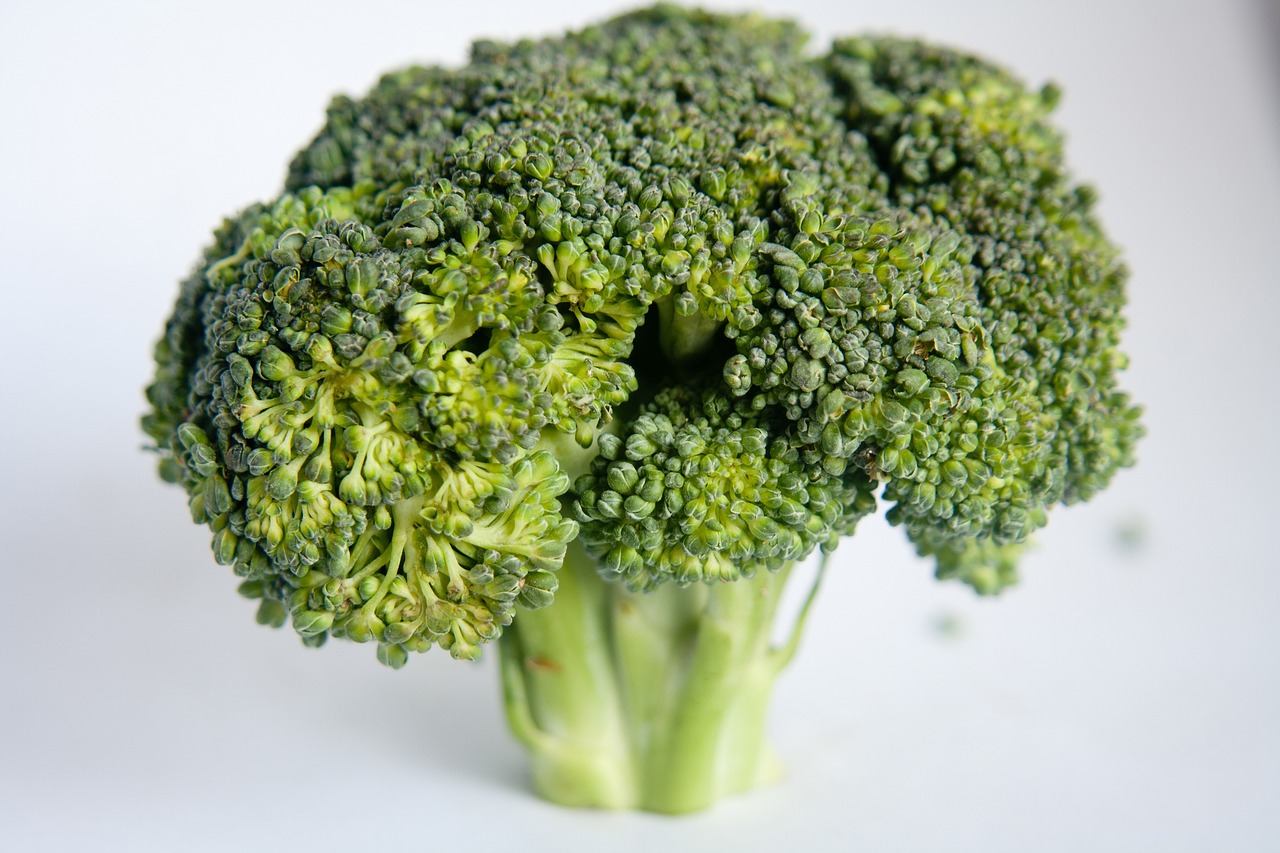
Visiting the produce section can be enjoyable and rewarding for vegetarians. The vibrant colors and variety can inspire creativity in meal preparation. Prioritize purchasing seasonal, locally-sourced produce, as this not only supports local farmers but also guarantees freshness and flavor. Fresh vegetables and fruits serve as the foundation of any vegetarian meal and contribute essential vitamins and minerals to your diet. Try to select a wide variety of colors for a balanced intake of nutrients; this is where ‘eating the rainbow’ comes into play. When selecting vegetables, look for those in their peak ripeness and store them correctly to maximize their shelf life. Don’t hesitate to ask staff about their freshest selections or any discounts on ‘less-than-perfect’ produce. Embrace the idea of trying new, unfamiliar fruits or vegetables that catch your eye; many can become household favorites with the right recipes. Investing time exploring the produce section allows for healthier meals to emerge while also curbing food waste. Planning vegetable-forward meals can cultivate a deep appreciation for diverse flavors and textures.
Meal Preparation and Planning
Effective meal planning is essential for a successful vegetarian diet. It not only simplifies grocery shopping but also reduces waste and saves time during the week. Start by dedicating a specific day for planning meals and creating your shopping list. Consider using templates or apps that make this process streamlined. Incorporating versatile ingredients that can serve multiple meals or snacks proves efficient and cost-effective. For example, beans, brown rice, and seasonal vegetables could serve as different meal bases throughout the week. Try batch cooking meals in advance or meal-prepping to have healthy options ready at any time. A slow cooker or pressure cooker can be invaluable tools for this purpose. Furthermore, organizing your refrigerator can easily remind you of the ingredients available for use. Labeling containers with dates improves food management, ensuring nothing goes to waste. Preparing quick snacks like hummus with cut vegetables or overnight oats can satisfy cravings and maintain energy levels during your busy days. Incorporating these habits leads to a balanced, stress-free approach to vegetarian diet management.
As a vegetarian, choosing the right snacks is key to fulfilling dietary needs while on the go. Opting for whole, minimally processed items will help maintain your energy levels and provide essential nutrients. Healthy snacks frequently include fruits, nuts, granola bars, or plant-based yogurts. Look for products with whole food ingredients, avoiding those with misleading labels. Be cautious with store-bought snacks, as many may contain hidden sugars or unhealthy fats. Educating yourself on reading nutritional facts labels is vital when selecting packaged snacks. Having portable, nutrient-rich options readily available can prevent unhealthy food choices when hunger strikes. Consider investing in reusable containers for convenience when packing snacks for outings. Homemade snacks such as energy balls or nut butter packets can be easily prepared and customized. Furthermore, getting creative with snacks, like veggie sticks with guacamole or air-popped popcorn, contributes nourishment without sacrificing flavor. Experimenting with different combinations can keep your snacking experience enjoyable and exciting. These choices significantly affect energy levels throughout the day, allowing for an active and fulfilling vegetarian lifestyle.
Building Community and Support
Lastly, building a community of fellow vegetarians or individuals interested in the lifestyle can profoundly impact your grocery shopping experience. Engaging with online platforms, local meetups, or social media groups helps connect with others sharing interests. These communities provide valuable tips for navigating grocery stores, sharing favorite recipes, and recommending popular products. Joining clubs or organizations centered around vegetarian diets can also encourage learning and motivation. Attending workshops or events can further expose you to various vegetarian cooking styles. Networking allows the exchange of ideas while fostering camaraderie. Participating in local events, like vegetarian festivals, offers an opportunity to explore new products and local vendors. This collaboration can enhance your shopping knowledge and lead to discovering hidden gems in grocery stores. Additionally, promoting plant-based cooking classes or potlucks unveils the joys of the vegetarian lifestyle with others. These experiences reinforce the benefits of food while facilitating a sense of belonging. Building a supportive environment is crucial for maintaining commitment to dietary choices, ensuring a successful vegetarian journey throughout life.
In conclusion, grocery shopping as a vegetarian requires thoughtful planning and a willingness to explore diverse options. By utilizing strategic approaches and understanding product labeling, one can navigate the aisles confidently. Embracing bulk shopping and selecting seasonal produce adds not only to meal quality but also sustainability in the long run. Meal planning, preparing healthy snacks, and fostering community connections ensure a fulfilling vegetarian experience. Remember, your choices contribute to a more sustainable planet and a healthier lifestyle. Adopting a vegetarian diet can enrich your life through tasty meals, captivating recipes, and a profound appreciation for food. As you embark on this journey, be patient with yourself and actively seek inspiration from fellow vegetarians and plant-based food enthusiasts. With lasting commitment, you can transform your shopping experience and ultimately your approach to food. Each trip to the grocery store becomes an opportunity for adventure, encouraging creativity and promoting well-being. Enjoy discovering new ingredients and meals while contributing positively to a greater cause. Follow these tips, and you’ll discover the joys and rewards that accompany the vegetarian lifestyle.