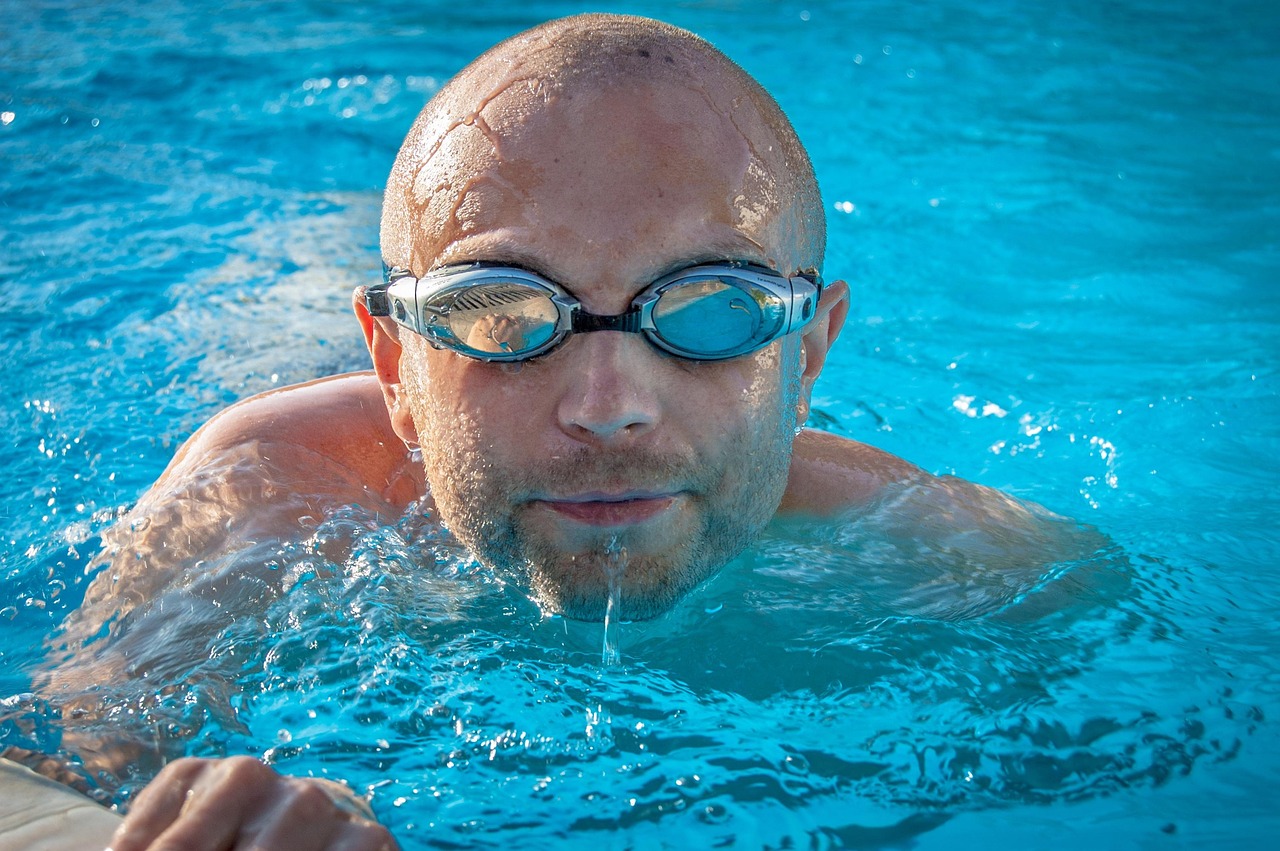

Tips for Efficient Swimming with a Wet Suit
Swimming efficiently while wearing a wet suit can greatly enhance your triathlon performance. A wet suit can offer buoyancy and reduce drag in the water, allowing you to conserve energy. To maximize these benefits, it’s crucial to focus on your swimming technique. First, consider your body position. A streamlined body is essential; your head should be neutral, eyes looking down. This allows your hips and legs to remain higher in the water, reducing drag. Second, utilize a powerful kick. Your legs should move together, generating propulsion without a lot of splash. Kick from your hips rather than your knees. This helps maintain a streamlined position. When using a wet suit, allow your arms to extend fully during each stroke. This full reach builds momentum and helps you maintain rhythm. It’s beneficial to practice drills that promote high elbow recovery. Engaging in drills that enhance your stroke efficiency will pay dividends in longer races. Lastly, ensure your wet suit fits properly. A snug fit will help avoid chafing and water seepage—ensure it’s very fitted but not restrictive. Practicing these techniques regularly will make a significant difference in your swimming performance.
Breathing Techniques
Mastering your breathing while swimming with a wet suit is key to improving both comfort and effectiveness. Start by practicing bilateral breathing during your training sessions. This involves breathing on both sides, allowing for better balance and symmetry in the water. While wearing a wet suit, it’s important to keep your rhythm consistent. Avoid taking shallow breaths; instead, focus on deep and controlled inhalations. When you inhale, turn your head to the side but keep your body rotation minimal. This allows your body to remain streamlined, which is critical for efficiency. It can be helpful to exhale underwater to empty your lungs, making inhalation easier. Additionally, pay attention to the intervals between breaths. Finding a good rhythm—perhaps every three strokes—can enhance your endurance. When practicing in a wet suit, take note of how much buoyancy it provides; use this to your advantage when timing your breaths. Remember to remain relaxed during your swim, as tension can lead to inefficient movements. Practice breathing drills and vary your breathing patterns to adapt to different situations you might face in a race. By focusing on controlled breathing, you set the stage for improved overall performance in the water.
Another important aspect to consider is your kick when swimming with a wet suit. A strong, efficient kick contributes significantly to propulsion, especially when your arms are slightly limited by the suit’s buoyancy. Your legs should be straight but not rigid, with a slight bend at the knees. Practice keeping your kicks small and quick; this promotes better stability and control. Remember, a common mistake is overly relying on a strong kick, but it should complement your stroke rather than dominate it. To enhance the power of your kick, consider using fins during training sessions. Fins help to simulate the buoyancy effect of a wet suit while giving you strength training. You can also integrate kickboard drills to focus entirely on your leg mechanics. By breaking down the components of your kick, you can develop muscle memory for efficient positioning and movement. Moreover, spend time mastering how to kick efficiently during different strokes, as it helps maintain power throughout your swim. Ultimately, the goal is to develop a kick technique that is smooth, allowing you to conserve energy while achieving speed.
Transitioning Techniques
Transitioning from swimming to cycling after a swim can be a challenge but is essential for maintaining speed in a triathlon. When you exit the water, focus on keeping your movements fluid and efficient. One effective strategy is to practice your dismount from the water during training. As you approach the shore, begin to pull off your wet suit. While it’s challenging, ensure you’re removing the sleeves quickly. This will allow for a smoother transition. Practice running toward your transition area while pulling at the neck and the cuffs of your suit, as it helps loosen it up. Additionally, consider leaving your wet suit zipper partially open before entering the water; this can save valuable seconds in transition. Transition areas should be well-organized; place your wet suit, shoes, and bike in a neat manner to avoid delays. Furthermore, consider practicing dry land run-throughs, transitioning from swimming to running quickly in various conditions. The more fluent your motions become; the more confidence you will have during raceday. Every second counts in triathlons; these preparations can give you a significant edge.
Another key element to efficient swimming in a wet suit is understanding how to use its buoyancy to your advantage. A wet suit is designed to keep your legs elevated, which allows you to glide better through the water. Focus on maintaining a relaxed upper body while your legs naturally rise due to the suit’s buoyancy. This streamlined posture minimizes drag and maximizes speed. Practice drills that encourage you to keep that optimal body position throughout your swim. For example, perform lengthening strokes where you focus on fully extending your arms each time you begin your stroke. This not only works on catching water effectively but also reinforces a good position in the water. Be mindful of how buoyancy changes your breathing patterns; aim to keep your head still and aligned with your torso. If you find it challenging to breathe, consider reducing the extent of your head movement while ensuring your strokes remain efficient. Swimming is about building a rhythm, so repeating these exercises will gently reinforce your adaptations to the wet suit, making you more comfortable and capable.
Training in Open Water
Nothing beats open-water swimming for mimicking triathlon conditions, enhancing your efficiency while wearing a wet suit. Training in open water provides unique challenges, such as waves, currents, and varied temperatures. It’s essential to adapt your swimming strategies to these conditions for optimal performance. Always start your open-water sessions gradually, allowing your body to acclimate to the water temperature. This is where the wet suit plays its role, helping you stay warm and buoyant. Practice sighting techniques to maintain your direction, as swimming straight can be difficult in open water. Lift your head periodically, ensuring you stay on course without losing rhythm. Additionally, practice swimming in a straight line; this will enhance your ability to manage during races. Since you cannot push off walls as you can in a pool, focus on longer intervals at a steady pace. Incorporating various drills, such as bilateral breathing and stroke rate variations, helps improve your adaptability. Finally, familiarize yourself with the feeling of swimming in a wet suit during training, as this experience will build your confidence heading into race day. Practicing these strategies will ensure a smoother transition from water to land during a triathlon.
Finally, mental preparation plays an equally critical role in swimming efficiently with a wet suit. Establishing a positive mindset is vital as this directly influences your performance during both training and races. Create mental cues that remind you to focus on technique, rhythm, and relaxation. Visualization can be an effective tool; imagine yourself swimming smoothly and effortlessly in your wet suit. During tough practice sessions, repeat positive affirmations or mantras to reinforce a strong mental game. Create a specific routine before each open water training or race to mentally prepare yourself. This may include stretching, visualizing success, and breathing exercises. Additionally, familiarize yourself with the challenges you may face during upcoming races, like anxiety or water conditions. Incorporate these variables into your training, so you’re comfortable managing them when they arise. Remember, mental fortitude is just as essential as physical ability in triathlon swimming. Lastly, reflect on your training sessions; identify areas for improvement. This reflection builds motivation and enhances your efficiency. By cultivating a robust mental approach coupled with refined technique, you can swim with tremendous confidence and efficiency throughout your racing journey.
Being aware of your nutrition and hydration strategy is fundamental for effective swimming, particularly when preparing for a triathlon. Proper fuel ensures your body has the energy required for strenuous swimming sessions. Start with hydration before getting into the water; aim to drink enough fluids in the hours leading up to your swim. Post-training nutrition is equally important. After every session, have a balance of carbohydrates and proteins to aid in recovery. Additionally, pay attention to electrolyte balance to avoid cramping during swims, especially in warmer water. While swimming, avoid heavy meals right before entering the water, as they can weigh you down. Instead, opt for light snacks if you need energy—banana or energy bar options work great. During longer swims, consider bringing energy gels with you in a buoyed pouch. Experiment with different nutrition strategies during training sessions to determine what works best for you. Finally, ensure to listen to your body—dehydration or lack of energy can significantly hinder workout quality and intensity. Establishing a comprehensive nutrition plan will complement your swimming efficiency and overall race performance effectively.