
Exercise Contraindications and Precautions for Anxiety Patients
When considering exercise as a treatment for anxiety disorders, it is crucial to understand the potential contraindications that may arise. Individuals experiencing acute anxiety episodes might find that high-intensity workouts could exacerbate their feelings of distress. Starting with moderate exercises is recommended, as excessive strain may lead to increased anxiety. Another critical factor involves assessing the person’s overall physical health. It’s essential to consult healthcare providers, especially for those with preexisting medical conditions. Furthermore, some patients might experience heightened anxiety during unfamiliar situations, such as crowded gyms or group classes. To mitigate this, engaging in outdoor activities can reduce stress levels and provide a calming atmosphere. Moreover, routines should progressively build in difficulty to align with the patient’s comfort zone. These adjustments can prevent overwhelming feelings. Lastly, a supportive environment is paramount; having friends or family join workouts can provide encouragement. Understanding these factors not only helps in preventing physical injury but also ensures mental well-being for those with anxiety disorders, leading towards a successful exercise journey. Regular feedback and communication are vital in recognizing improvements and addressing concerns.
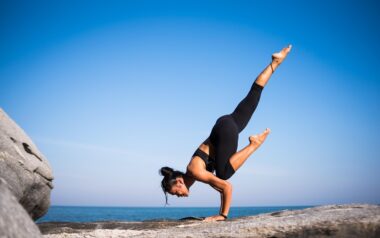
Consulting with healthcare professionals is essential before implementing any exercise regimen. They can provide guidelines tailored to individual symptoms, ensuring that the activity does not worsen anxiety levels. Also, it is paramount to take note of any side effects or negative reactions during exercise, as these could indicate the need for modifications. For example, if a particular form of exercise leads to feelings of panic, it is critical to shift to a more manageable alternative. Yoga and Pilates may offer safer environments that promote relaxation while also engaging in physical activity. Additionally, incorporating breath control techniques during exercise can help alleviate anxiety symptoms. Physical trainers, specifically those experienced in mental health, should be consulted for exercises suitable for anxiety management. Implementing exercises like swimming or tai chi can be effective as they promote calmness while improving physical fitness. These activities also serve as distractions, redirecting focuses away from anxious thoughts. Creating a consistent routine helps in establishing familiarity, thus lowering anxiety levels over time. Understanding one’s body signals and limitations is paramount in the push towards improved mental health through fitness.
Understanding Individual Needs
Every anxiety patient has unique triggers and symptoms, and understanding these needs is essential for effective exercise guidance. Individuals should listen to their bodies and modify their routines when necessary, allowing for rest and recuperation. It is also advisable to start with low-impact exercises, such as walking or stretching, until comfort levels rise. Keeping a journal to track moods and feelings during workouts can provide insight into which exercises prompt increased anxiety or distress, facilitating informed decision-making. Moreover, support systems, either through personal trainers or support groups, can offer the encouragement needed to maintain motivation. Exercise should never become an additional source of stress; instead, it must boost confidence and promote stability. Identifying the barriers to effective exercise is also key; common hurdles include time constraints, lack of motivation, or even fear of judgment in public spaces. Addressing these factors can help form a plan that considers personal schedules and preferences, enhancing adherence. Furthermore, flexibility in exercise plans ensures they remain enjoyable and sustainable for individuals with anxiety disorders, establishing a healthier relationship between mental health and physical activity.
Lastly, it’s pertinent to highlight the significance of mental recovery in tandem with physical health. A proper workout routine should offer ample rest periods to recharge both physically and mentally, as over-exertion can lead to fatigue, further escalating anxiety levels. This balanced approach applies equally to all ages, emphasizing the importance of age-appropriate activities. Engaging in family-oriented physical activities could provide enjoyable means for older adults or kids, helping to foster social connections while alleviating anxiety. Likewise, establishing a routine that aligns with an individual’s lifestyle ensures that exercise becomes an integrated, effortless part of their daily activities. For those who experience social anxiety, home workouts might be beneficial, allowing comfort while challenging fitness levels. Importantly, finding activities that serve as outlets for stress is essential; many find martial arts, swimming, or cycling relieve mental tension. In conclusion, learner input is invaluable; adjustments based on personal feedback lead to improvements in both physical capabilities and anxiety management. Every minor step counts, and exercising patience with oneself will lead to long-term success and well-being.
Incorporating Relaxation Techniques
In addition to physical activity, integrating relaxation techniques into exercise routines can significantly enhance mental health outcomes for anxiety patients. Practices such as mindfulness and meditation complement physical exercise by fostering mental peace and clarity, reinforcing positive feelings. Combining activities like yoga and deep-breathing exercises can aid in triggering the relaxation response, which assists in reducing stressors effectively. Furthermore, focusing on aligning breath with movement encourages individuals to stay present, redirecting attention from anxiety-provoking thoughts. It is vital for individuals with anxiety disorders to explore various relaxation methods until they find the techniques that resonate with them. Regular practices not only enhance relaxation but also bolster commitment to routine exercise. Many people also find success with guided imagery techniques, wherein visuals are used to create a calming mental space during workouts or recovery. Additionally, finding serene spots for exercising outdoors can promote tranquility and connection to nature, thus helping to alleviate anxiety. Therefore, mental preparation alongside physical exercise should be part of any comprehensive strategy aimed at improving well-being. Ultimately, the creation of a harmonious blend of these components fosters resilience within anxiety patients.
Moreover, collaborative efforts between healthcare providers and fitness professionals can enhance the quality of exercise programs designed for anxiety patients. Regular assessments can pave the way for future innovations, allowing personal trainers to accommodate changes based on sudden shifts in mood or symptoms. This teamwork ensures that exercise is not solely seen as a physical endeavor but as an integral part of a holistic approach to mental health. Furthermore, involving physical therapists can be beneficial in formulating personalized exercise plans that encompass both physical conditioning and emotional support. Regular updates on progress can strengthen the bond between the individual and their fitness community. Encouraging participation in group activities or classes can reduce isolation, enabling individuals to share experiences and support one another. Support from others who understand their struggles fosters a sense of belonging that can counteract anxiety symptoms. Finally, the importance of goal-setting must be emphasized; breaking overarching goals into smaller parts can help individuals navigate through their anxiety. Celebrating these successes creates a positive feedback loop that enhances overall motivation and determination, ultimately driving greater satisfaction in health endeavors.
Continual Evaluation and Adjustment
On the path to improved mental health through exercise, continual evaluation and adjustment of fitness plans are vital for sustained success. Recognizing that triggers and responses may shift over time helps tailor exercise programs that remain effective regardless of changes in mood or anxiety levels. Regular communication with healthcare professionals ensures individuals can discuss any arising concerns about their fitness routines. This dialogue allows for necessary modifications, as progress tracking often reveals patterns that require adaptation. Additionally, creating checkpoints in the workout schedule encourages reflection on what strategies are yielding positive results, reinforcing commitment to the process. It’s significant to celebrate milestones, no matter how small, as these achievements contribute to a sense of empowerment and progress. Flexibility in adjusting routines as needed, combined with a focus on personal strengths, fosters a sense of control over the anxiety disorder. Frequent reassessment also inspires new techniques that may not have been initially considered. Ultimately, individuals should approach their exercise journey with curiosity, welcoming experimentation and exploration to find activities that bring both joy and relief from anxiety. This adaptability enhances the overall effectiveness of fitness as a whole.
In summary, the convergence of exercise and mental health strategies forms an essential approach to managing anxiety disorders. Understanding contraindications ensures that patients pursue activities suitable for their needs, while continual adjustment promotes success in the long run. Finding supportive environments enhances the exercise experience, making it a fulfilling aspect of daily life. Encouraging communication with healthcare providers creates pathways for bespoke routines and meaningful progress evaluations. Individuals must take ownership of their mental health through deliberate practice and persistence. Emphasis on relaxation techniques enriches the fitness journey, helping to diffuse stress levels. Furthermore, all components interlink to promote a holistic, well-rounded strategy to cope with anxiety disorders. Overall, making exercise an enjoyable and sustainable endeavor can lead to remarkable benefits, increasing both physical fitness and mental wellness. As patients realize that their efforts translate into tangible outcomes, motivation and self-esteem will grow. By fostering open dialogues and encouraging shared experiences, communities can further support anxiety patients in their health journey. Ultimately, embracing flexibility in expectations along with a determined mindset can transform fitness into a powerful ally in overcoming anxiety. The road ahead, though challenging, can become a pathway to resilience.