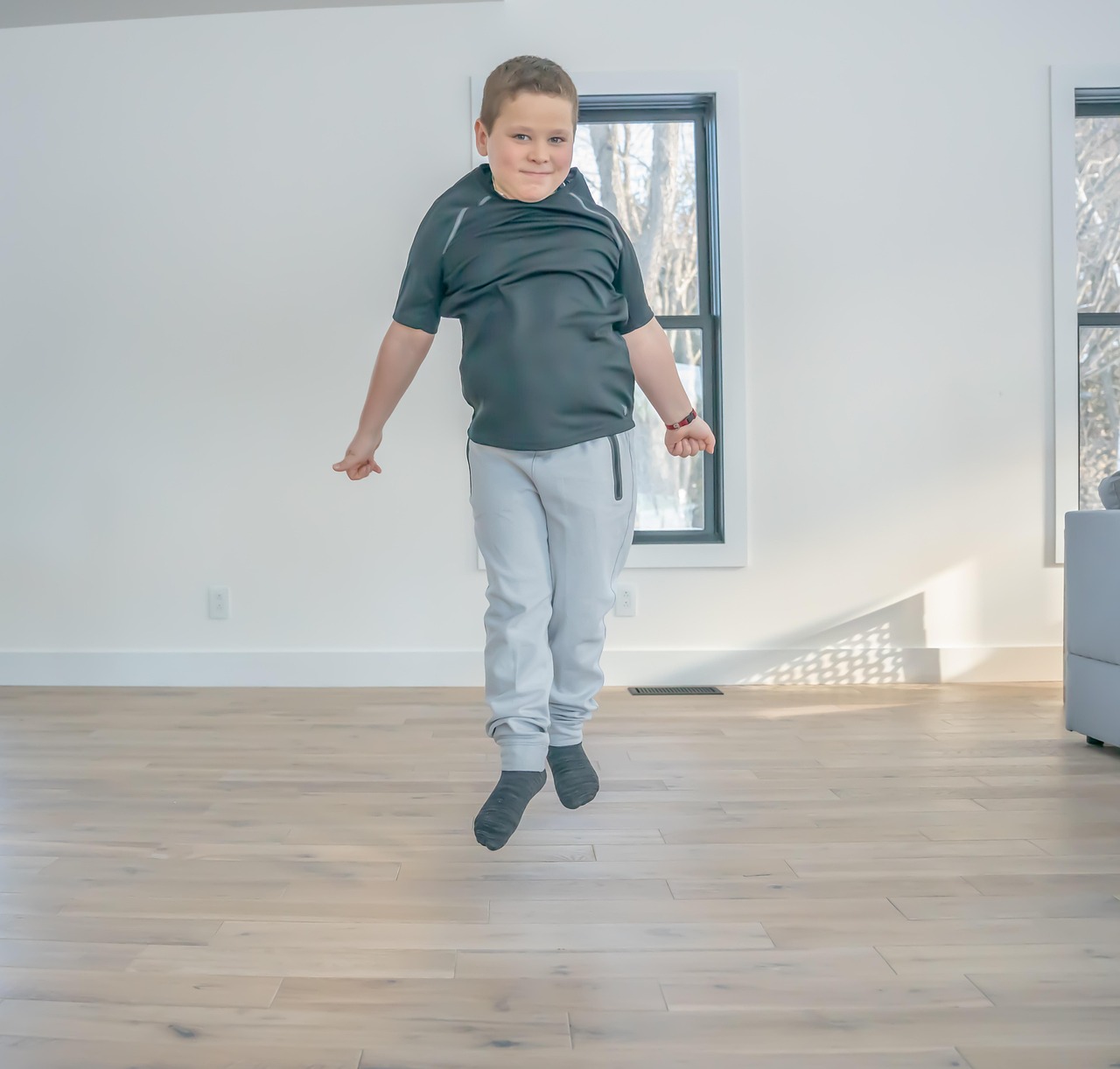

Safe and Effective Bodyweight Movements for Children
Bodyweight exercises are excellent for children, fostering physical development, coordination, and confidence. These movements utilize the child’s own body weight, making them accessible at home, parks, or gym facilities. Safety should be a priority, ensuring that exercises are age-appropriate and supervised when necessary. Understanding this helps establish good habits early. Furthermore, encouraging children to participate in physical activities can aid in combating obesity. It is essential to choose fun, engaging exercises that keep their interest alive. Effective bodyweight movements include squats, push-ups, and planks. Additionally, movements can be combined in a circuit, offering variety and helping maintain enthusiasm. Introducing games enhances enjoyment, turning exercise into an activity rather than a chore. Parents or guardians can join in, making it a family event. Alongside physical benefits, bodyweight exercises contribute to improved mental health and social skills through teamwork and coordination. As kids gain strength and confidence, they develop a foundation for a lifetime of fitness, translating to enhanced academic performance and social interaction. A focus on developing strong habits and fostering enjoyment in physical activity is crucial for children’s lifelong engagement in fitness.
The Importance of Warm-Up and Stretching
Before performing bodyweight exercises, children must warm up properly to prevent injuries. A good warm-up increases blood flow, preparing muscles for activity. Simple activities such as jumping jacks, arm circles, and leg swings can effectively get the body moving. Involving children in the warm-up routine promotes their understanding of the importance of preparation. Similarly, stretching following exercises enhances flexibility and recovery. Emphasizing routines like the butterfly stretch, toe touches, or quadriceps stretch can promote flexibility. Remember to teach your children to listen to their bodies, avoiding overstretching and focusing on gentle movements. Educators and parents should demonstrate exercises beforehand to ensure correct posture and technique is followed. This also allows for any adjustments based on individual capabilities. Incorporating fun elements, like a dance-off or stretching race, keeps their engagement high. This strategy builds an essential foundation for lifelong fitness habits and reinforces proper techniques early in their exercise journey. Besides being beneficial for physical health, proper warm-ups and cool-downs set the tone for a responsible approach towards fitness. It empowers kids to understand their body and the necessary steps to stay fit while minimizing risks of injuries.
Bodyweight exercises can significantly improve core strength, which is vital for children’s athletic performance. A strong core assists in almost every sport, enhancing balance and stability. Simple exercises such as plank holds, mountain climbers, and sit-ups are excellent starting points. These movements can be performed using play-based formats, which keep children interested. For example, turning planking into a fun challenge can help them understand the importance of core stability during activities. Another beneficial exercise is the bird-dog, which not only enhances coordination but also improves balance. Encouraging kids to practice regularly will yield measurable improvements, building confidence in their physical abilities. To cultivate enthusiasm, involve children in goal-setting; they may strive to hold their plank longer or complete more mountain climbers in a minute. Celebrate their achievements, big or small, reinforcing positive attitudes towards fitness. Furthermore, varying routines prevents monotony, keeping workouts fresh and exciting. As children witness their progress, they will feel accomplished, knowing their efforts lead to improved health and fitness. This empowerment can encourage them to develop a lifelong love for physical activity, as well as promote community involvement through sports or fitness activities.
Fun Bodyweight Exercises for Kids
Children respond best to exercises presented in a playful and enjoyable manner. Some popular bodyweight exercises include bear crawls, crab walks, and frog jumps, which capture their imagination while promoting physical skills. Incorporating games like obstacle courses makes training both fun and challenging, providing ample opportunities for creativity. Enhancing social interactions, children can partner up for exercise challenges or relay races, promoting teamwork and camaraderie. These exercises improve strength, flexibility, and coordination while fostering lifelong friendships. Role-playing scenarios during these workouts, such as pretending to be animals, adds an imaginative element. All these factors help kids embrace exercise rather than view it as a chore. Furthermore, using timers or music in workouts stimulates competitiveness, motivating them to try harder. As children become more skilled, modifying movements based on their fitness levels is crucial. For instance, modifying a push-up to suit younger or less experienced kids ensures everyone can participate effectively. Maintaining an inclusive environment encourages equal participation, fostering self-esteem and cooperation among peers. This fun approach opens the door to lifelong exercise paths, benefitting health and wellness as they transition into adulthood.
Yoga can also be an excellent addition to a child’s fitness routine, promoting flexibility, balance, and mindfulness. Simple yoga poses, such as tree pose, downward dog, and warrior pose, are suitable and easy to practice. Not only do these exercises improve physical abilities, but they also provide important mental health benefits by teaching children focus and relaxation techniques. Creating a calming atmosphere during yoga sessions can enhance the experience; consider gentle music or nature sounds for added immersion. Incorporating storytelling during yoga practice captivates children, putting them in imaginative scenarios while executing poses. This approach keeps their attention throughout the session, making yoga less intimidating and more enjoyable. Sharing stories related to nature or animals can help children connect emotionally with the poses. As children begin to understand their minds and bodies better, they become more aware of their feelings, enhancing emotional intelligence. Parents can also participate in yoga sessions, promoting bonding while modeling healthy habits. This practice encourages children to explore new physical activities and appreciate their benefits. Ultimately, incorporating yoga into children’s fitness routines can cultivate healthy habits that promote both physical and mental well-being, equipping them for future challenges.
Setting Realistic Goals with Children
Teaching children to set realistic goals is an essential aspect of their fitness journey. Goals should be specific, measurable, achievable, relevant, and time-bound (SMART). Helping kids understand this framework encourages them to visualize what they want to accomplish. Start by discussing short-term goals, such as completing a certain number of bodyweight exercises during practice. Over time, kids can work toward long-term goals, including increased overall strength or endurance. This process allows children to develop self-discipline and perseverance essential for personal growth. In addition to helping them hone their focus, setting goals fosters a sense of achievement when reached. Engage with children in goal-setting sessions, asking their input and ideas, making them feel empowered. Monitoring their progress visually through checklists or charts can boost motivation. Celebrating victories, regardless of size, instills confidence in their abilities. Encouraging parents to reward accomplishments enhances motivation, reinforcing their commitment to fitness. Regular progress assessments help children reflect on their successes and areas that still need improvement. All these aspects make goal-setting a valuable tool that will benefit children academically and socially. The combination of planning, effort, and resilience cultivates well-rounded individuals who can tackle life’s challenges.
Nutrition plays a vital role in a child’s fitness program, enhancing their performance and overall health. Parents should emphasize the importance of balanced meals that include fruits, vegetables, whole grains, and lean proteins, fueling their active lifestyle effectively. Instilling healthy eating habits from a young age is critical for creating a foundation for lifelong nutrition choices. Encouraging children to help prepare meals promotes both learning and engagement while fostering a better connection with their food. Creating fun, colorful plates filled with healthy options can motivate kids to try new foods. Associating fitness with nutritious eating strengthens the link between physical activity and healthy living. Drinking plenty of water is also essential during and after exercise, keeping children hydrated, especially during intense physical activities. Teaching children to recognize their hunger and fullness cues is vital in mastering portion control. This understanding can prevent overeating and foster a healthier relationship with food. Collaboration between parents, teachers, and coaches creates a supportive environment for healthy choices. Encouraging participation in family meals promotes connection and sharing. Ultimately, focusing on nutrition alongside fitness establishes a holistic approach to the well-being of children, paving their way to long-lasting health benefits.