
Common Mistakes in Kettlebell Training and How to Avoid Them
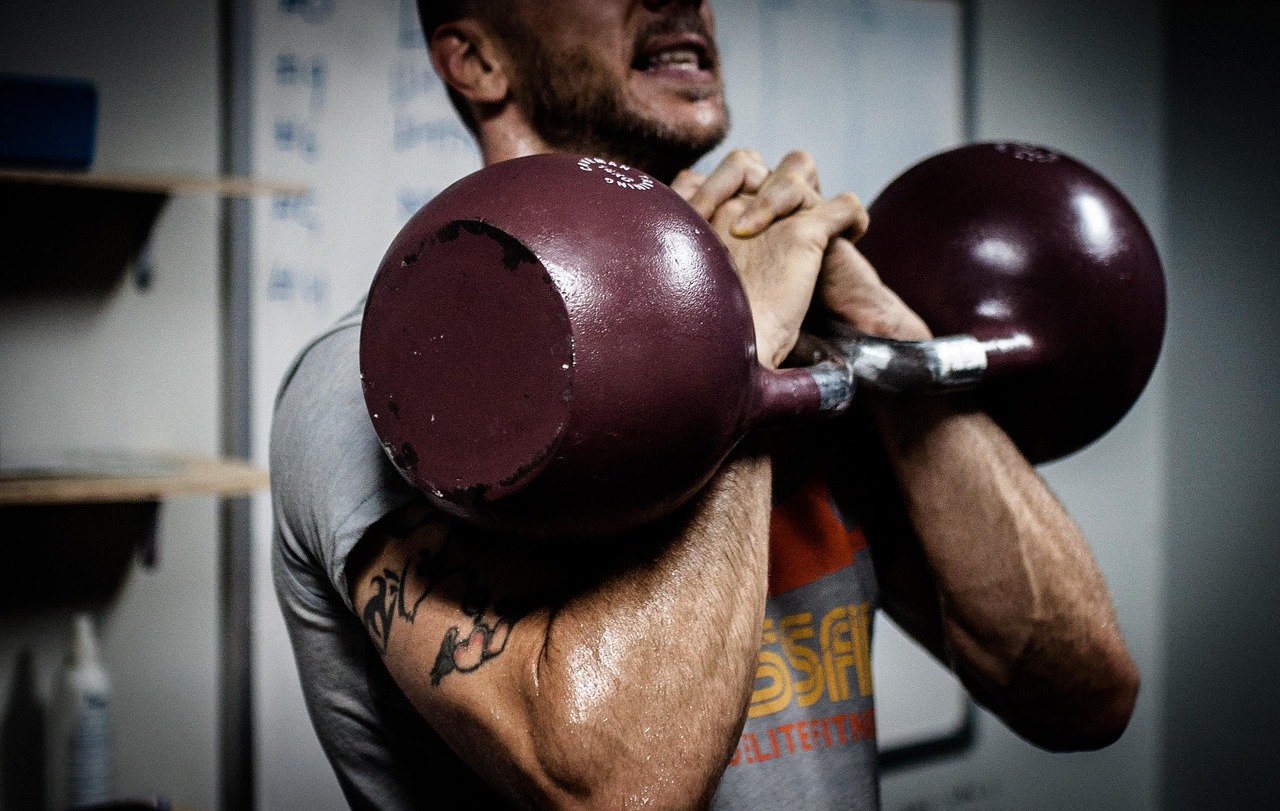
Kettlebell training is a fantastic way to build strength, improve endurance, and enhance overall fitness. However, many people make common mistakes that can hinder their progress and even cause injuries. One major mistake is incorrect form, which is crucial for the effectiveness of each swing, snatch, or press. Improper grip, poor posture, and misalignment of joints often lead to suboptimal results. It’s essential to keep your back straight and engage your core properly. Another mistake happens when individuals attempt to lift weights that are too heavy without mastering the techniques. This can lead to injuries and frustration. Always prioritize perfecting your technique before increasing the weight you lift. Furthermore, neglecting the importance of proper warm-ups can result in injuries, so take time to prepare your body. Before diving in, warm up the major muscle groups. Take these guidelines seriously, as proper kettlebell training can enhance performance in other workouts and sports. Correcting these mistakes will ultimately lead to better strength gains, increased endurance, and improved overall fitness, making your kettlebell workouts both effective and safe.
Another common mistake in kettlebell training is the absence of a structured program. Many trainees jump into workouts without a plan, leading to imbalances in strength development. Without a well-thought-out plan, certain muscle groups might be overworked while others remain neglected. This could result in injuries or hinder progress significantly. Aim to create a balanced program, focusing on various exercises and muscle groups throughout the week. Also, consider tracking your workouts with a journal or fitness app. This can help you identify areas that need more focus and ensure progressive overload. Additionally, failing to rest adequately between workouts can be detrimental. Overtraining your muscles can impede recovery and growth. Incorporate rest days or lighter training sessions to allow your body to recuperate effectively. Furthermore, many individuals don’t pay attention to their nutrition while training with kettlebells. Proper fueling before and after workouts enhances performance and aids recovery. Focus on balanced meals rich in protein and healthy carbohydrates. Remember, the quality of your training goes hand-in-hand with a well-planned and executed diet for optimal results.
The Importance of Breathing
Breathing is often overlooked in kettlebell training, yet it plays a significant role in performance and safety. Many trainees unconsciously hold their breath during lifts, leading to elevated blood pressure and a lack of oxygen while exercising. This can undermine both performance and raise the risk of injury. Instead, practice controlled breathing to promote stability and power. Inhale deeply during the eccentric phase of the movement and exhale during the concentric phase. Next, many individuals neglect the functional aspect of kettlebell training. While focusing on aesthetics, they forget the core purpose of kettlebells: to develop functional movement patterns that improve daily life and sports performance. Incorporate exercises that mimic real-life movements, enhancing coordination and balance while engaging multiple muscle groups. Additionally, avoid the trap of mindlessly repeating the same exercises. Diversity in your kettlebell workouts brings about well-rounded strength and keeps training interesting. Regularly revisit and change up your routine to ensure that your body adapts and progresses. By prioritizing proper breathing, functional movements, and variety, you can enhance the effectiveness of your kettlebell training sessions significantly.
Another frequent mistake is not paying attention to recovery mechanisms in kettlebell training. Adequate recovery is paramount for muscle growth and performance enhancement. Neglecting rest days or failing to integrate stretching and foam rolling into your routine can hinder results. Make sure you include active recovery days with light activity or mobility work. Don’t underestimate the importance of hydration either. Water intake is essential for optimal muscle function. Dehydration can lead to fatigue and reduced effectiveness in workouts. Track your hydration levels and drink plenty of water before, during, and after your sessions. Furthermore, be aware of the signs your body sends regarding fatigue or discomfort. Listen to your body and adjust your training intensity or volume accordingly. It’s better to take an additional rest day than to risk serious injury or overtraining. Engage in mindfulness practices or meditation post-workout to help improve recovery. This will support mental health and create a more positive exercise experience. By taking recovery seriously, you can ensure that your kettlebell workouts remain productive, enjoyable, and sustainable over the long term.
The Role of Coaching
Many beginners in kettlebell training attempt to learn everything through online videos and articles, which can lead to misinformation and errors. While resources are available online, nothing compares to the expertise of a trained coach. Engaging a fitness professional certified in kettlebell training can help you identify and rectify your form, provide personalized programming, and enhance your overall skills. A coach can also help you avoid common pitfalls associated with self-directed training. Furthermore, participating in group classes can provide additional motivation and accountability. The energy and support of working out with others can elevate your performance levels. Learning alongside others encourages a sense of camaraderie, fostering a motivating group dynamic. Consider seeking a local kettlebell class or small group training sessions. Also, creating a community with other kettlebell enthusiasts can bolster your commitment. Share tips, advice, and progress to keep spirits high and motivation flowing. Building strong relationships within a fitness community can enhance your performance and enjoyment of kettlebell training. Remember, the best athletes invest in the best training partners and coaches to elevate their skills effectively.
A critical mistake often made during kettlebell training is neglecting the power of mental focus and intention. As kettlebell exercises often employ compound movements, maintaining concentration throughout your workout is vital. Distractions can lead to poor form, ineffective session quality, and even injury. Set specific intentions for each workout, focusing on what you want to achieve. Visualizing successful lifts or swings can enhance your performance. Practicing mindfulness techniques can also improve your concentration. Taking time before each set to breathe and focus your mind on the movement can result in better connection and strength during each lift. Additionally, prioritizing recovery and sleep is paramount for significant performance gains. Sufficient rest and sleep improve overall physical performance and mental acuity, allowing for better focus during workouts. After intense kettlebell sessions, allow your body time to heal through cool-down routines and stretches. Create an evening routine that promotes better sleep hygiene, ensuring adequate sleep duration and quality. When you combine mindful practice and recovery, you’ll experience increased synergy between mental focus and physical strength during kettlebell training.
Conclusion and Next Steps
In conclusion, avoiding common mistakes in kettlebell training is essential for maximizing results and ensuring safety. Focus on proper form and technique, adopt a structured program, enhance breathing techniques, and consider professional coaching to motivate you towards your fitness goals. Ensure you prioritize adequate recovery and stay well-hydrated. Incorporate mindfulness techniques into your training to elevate your performance further. By paying close attention to these areas, you’ll be able to unlock the full potential of kettlebell workouts. Continuous learning and adaptation are vital, so never hesitate to seek out new resources or community support. Consider joining kettlebell workshops or events that emphasize skill development. This continuous improvement mindset fosters overall growth in your fitness journey. Never lose sight of your ultimate goals and remember to celebrate small victories along the way. Make kettlebell training a fulfilling part of your lifestyle, and soon enough, you will witness transformational changes in your strength, endurance, and overall fitness. Commit to investing in your training by eliminating mistakes, discovering new knowledge, and embracing a well-rounded approach to kettlebell workouts.
As you embark on or continue your kettlebell journey, be mindful of the common traps that many face. It’s fine to be eager, but being hasty can result in setbacks. Mastering the basics lays the groundwork for more advanced kettlebell skills. No rush; learn patiently. As you grow more confident, progressively increase the challenges as long as your form remains solid. The goal of kettlebell training isn’t just about lifting weights; it’s about cultivating a fitness practice that enhances your quality of life. From improved core strength to overall athletic performance, kettlebell training offers myriad benefits. Therefore, the better equipped you are in avoiding mistakes, the further you will advance in your kettlebell journey. Set realistic milestones to ensure steady progress while staying motivated. Reflect regularly on your performance and assess what works best for you. Tackle challenges head-on while enjoying the process of strength training. The versatility of kettlebells allows you to mix up your routine while keeping workouts engaging and fresh. If you find that a certain exercise isn’t providing the intended benefits, mix things up and explore new movements. Adaptation is key, and with a resilient mindset, you will thrive in your kettlebell training.