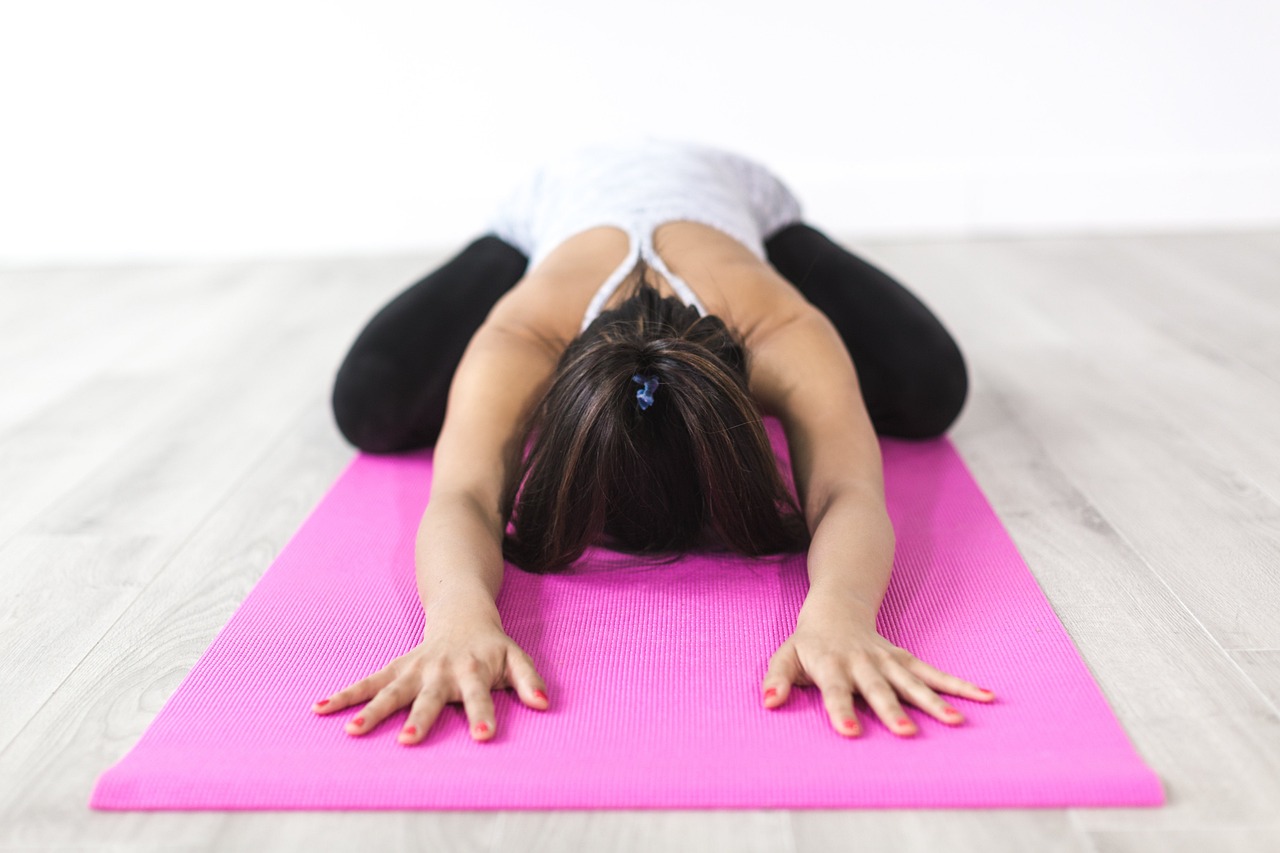

Top Myths About Flexibility Debunked
Many people hold misconceptions regarding flexibility and its importance in fitness regimes. One popular myth is that flexibility is only necessary for dancers or gymnasts. In reality, flexibility benefits everyone, regardless of activity level. Improved flexibility enhances athletic performance in all sports by increasing range of motion and reducing injury risk. Another common myth suggests that flexibility is static and cannot be improved after a certain age. However, consistent stretching and flexibility training can yield positive results at any age. Muscles and connective tissues can adapt and improve over time with the right techniques and dedication. Some believe that stretching is counterproductive before workouts because it leads to decreased strength. Nonetheless, dynamic stretching effectively prepares the body, increasing muscle efficiency without compromising strength. Pain and discomfort are often mistaken as necessary consequences of stretching; people think they should feel intense pain. In truth, stretching should be gentle to remain safe and effective. Finally, people frequently neglect the role hydration plays in flexibility. Staying well-hydrated aids muscle elasticity, making it simpler to achieve flexibility goals. So, debunking these myths leads to a balanced understanding of flexibility’s true significance.
Understanding Flexibility
Flexibility refers to the ability of your muscles and joints to move through their full range of motion. Many believe flexibility is solely about being able to touch your toes. However, it’s much more complex. Joint health relies on a good balance of flexibility, strength, and stability. Flexibility affects posture and alignment, which can influence overall body mechanics. Improved flexibility can alleviate muscle tension and enhance blood circulation, fostering improved functional movement. A flexible body helps in better athletic performance, as optimal movement mechanics improve efficiency while running, swimming, or in other sports. Another key aspect of flexibility training is its relation to core stability and balance. Having strong and flexible muscles contributes significantly to better body control and coordination. It must be mentioned that flexibility can vary greatly among individuals based on genetics, age, and physical activity levels. Thus, personal flexibility training plans should consider these factors for effective outcomes. Ultimately, the goal is not to achieve extreme flexibility but to incorporate adequate stretching routines to maintain joint health. Through consistent practice, everyone can see improvements in their flexibility over time.
Another myth concerns the idea that static stretching is the only way to improve flexibility. While static stretching has its benefits, dynamic stretching is equally essential for overall flexibility improvement. Dynamic stretches involve movement and are excellent for warming up muscles before physical activity. Examples include leg swings, arm circles, and torso twists. Incorporating dynamic stretches into your routine can enhance flexibility while improving your overall athletic performance. Another misconception suggests that only older adults need to worry about flexibility. In reality, individuals of all ages can benefit from a regular flexibility program. Adolescents practicing flexibility routines can prevent injuries while growing through sports. Flexibility helps during active growth spurts when muscles are challenged. Active flexibility routines like yoga or Pilates encourage not just flexibility but also strength and endurance. Regular participation in these practices can lead to improved posture, muscle tone, and mental focus. Many people falsely believe that they need to be flexible to begin flexibility training. Instead, flexibility programs are suitable for beginners and can help those stiff or limited in their range of motion to gradually improve.
The Importance of Consistency in Flexibility Training
Consistency is crucial when it comes to improving flexibility. Many individuals attempt to stretch sporadically, hoping for quick results. However, effective flexibility training requires a dedicated approach. Attaining your desired flexibility levels cannot be achieved overnight, nor should it be rushed. Sticking to a routine is key, ideally incorporating stretching daily or several times a week. Creating a specific plan helps ensure that you remain accountable and focused on your flexibility goals. Many underestimate the role of the muscles in achieving flexibility. Muscles can adapt gradually without causing strain or injury. Increased muscle length develops over time through consistent, gentle stretching. Rather than forcing movements, the goal is to promote lengthening through slow, controlled actions. It is essential to recognize that different types of stretches serve different needs—static stretches for cool-down and dynamic stretches for warm-ups. Balancing both aspects maximizes overall flexibility improvement while maintaining muscle safety. Also, it helps to engage in activities such as yoga or dance since they naturally promote flexibility. Gradually, flexibility becomes part of your regular fitness routine through consistency and commitment.
Many believe that flexibility training isn’t essential after a certain age, thinking that it’s a young person’s activity. However, this perspective is misleading. Flexibility remains crucial for older adults, supporting mobility, balance, and decreasing pain caused by stiffness. Aging leads to natural muscle tightness, making it even more important to incorporate stretching in daily routines. Additionally, studies indicate that flexibility can keep the risk of falls at bay, which is a significant concern for older populations. Strong and flexible muscles support joint health and enhance proprioception, improving overall coordination. Interestingly, improving flexibility fosters mental benefits as well. Stretching can help alleviate stress and promote relaxation. The meditative aspect of stretching routines presents another advantage, often anchoring one’s mindfulness and focus. People often look for quick-fix solutions, expecting instant results. But the truth is, developing a flexible body takes effort, patience, and resilience. Setting realistic goals helps achieve gradual progress and allows you to celebrate minor victories along the way. In summary, understanding the myths about flexibility equips individuals better for fitness challenges while promoting healthy habits essential for long-term well-being.
Incorporating Flexibility Training into Your Routine
When planning to add flexibility training to your regimen, consider various forms of exercises. A mix of yoga, dynamic stretching, and Pilates provides a solid foundation for enhancing flexibility. Consistency is key; adding at least five minutes a day can lead to improvement over time. It is essential to warm up properly before engaging in stretching exercises to prevent injury. Before beginning your flexibility routine, aim to perform light aerobic exercises for at least five to ten minutes to increase blood flow. Focus on major muscle groups that tend to be tight, such as hamstrings, hip flexors, shoulders, and lower back. Incorporate deep breathing techniques throughout your stretching routine to promote relaxation and maximize benefits. Practicing in a tranquil environment helps to enhance focus. Tracking your progress can also increase motivation; note improvements in stretching movements or ease while performing daily activities. Moreover, be patient, as adapting to flexibility routines takes time. Celebrate progress, no matter how minor, and listen to your body to avoid pushing beyond its limits. Gradually, adding flexibility training will improve your overall fitness experience and support healthier habits.
In conclusion, understanding and debunking the myths surrounding flexibility can significantly enhance one’s fitness journey. Flexibility is not exclusive to the young or athletic; rather, it is essential for everyone, regardless of activity level. Consistency and proper techniques play crucial roles in developing flexibility over time, which can prevent injuries and enhance performance. Familiarizing oneself with dynamic and static stretching techniques allows for comprehensive flexibility training. Additionally, flexibility remains critical for all ages, promoting balance, mobility, and overall health. The mental benefits gained through stretching routines also contribute to well-being, making it a valuable practice. By incorporating flexibility training into daily life, individuals can revisit and adapt their fitness programs to meet their unique needs. Celebrate every step towards improved flexibility, acknowledging that progress takes various forms over time. Encouraging healthy habits through your training and routines can lead to better overall physical performance. Ultimately, knowledge gained from debunking common myths supports a deeper appreciation for flexibility and its true place in fitness culture, empowering individuals to prioritize their overall health.