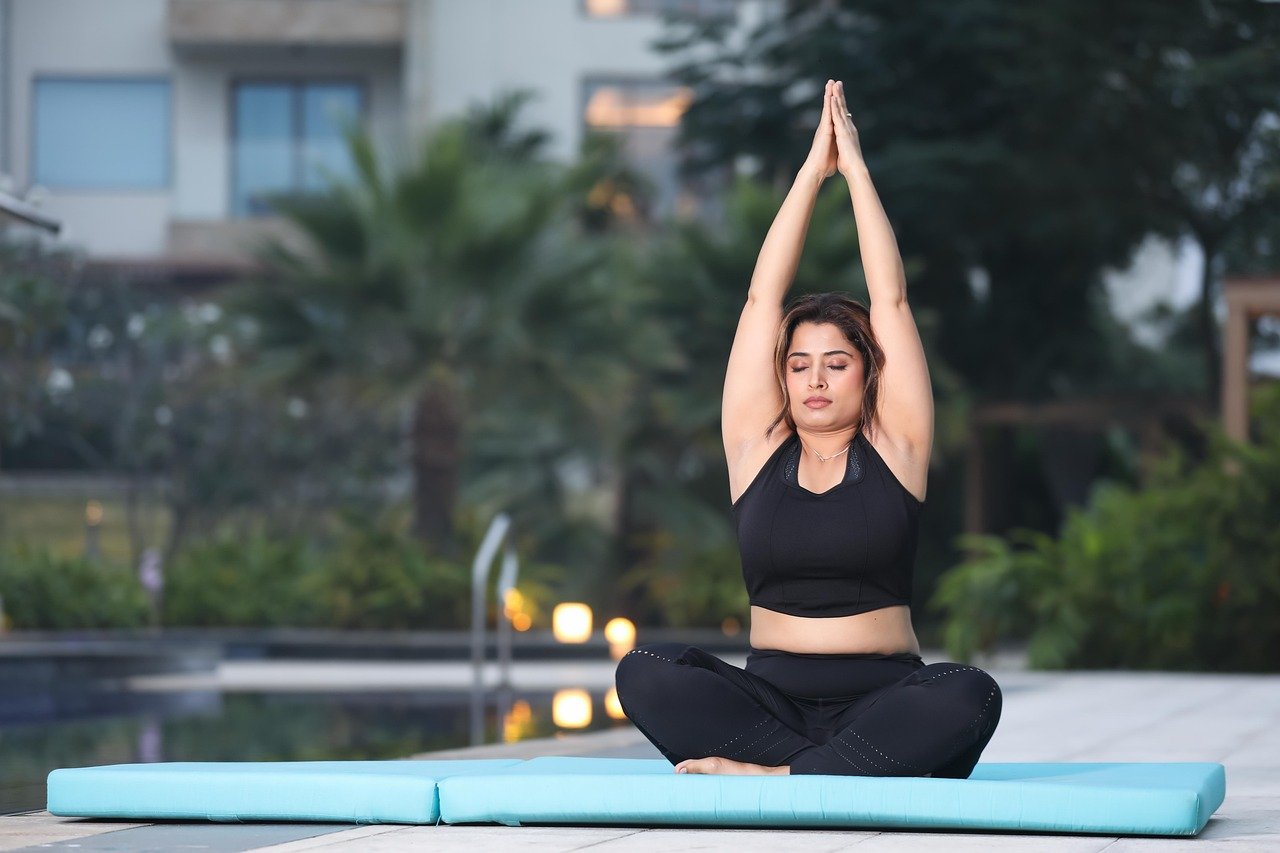

Meditation and Strength Training: Synergistic Benefits for Mental Health
Meditation has been a profound practice for enhancing mental health, offering numerous beneficial aspects. On the other hand, strength training is often celebrated for its physiological advantages, emphasizing the importance of physical well-being. When these two modalities combine, they create a synergistic effect that can significantly improve mental health outcomes. Strength training can improve mood and alleviate anxiety, while meditation enhances focus and emotional regulation. Strength training promotes the release of feel-good hormones like endorphins that elevate mood and diminish stress. Furthermore, both practices encourage mindfulness and body awareness, motivating individuals to connect with themselves on higher levels. Adopting both can lead to substantial reductions in symptoms of mental disorders such as depression and anxiety. Furthermore, engaging in strength training fosters a sense of accomplishment, which can bolster self-esteem. Meanwhile, meditation provides instant tools for managing stress, leading to greater resilience. A combination of these practices paves the way for long-term mental health benefits, producing not only emotional stability but also enhanced overall life satisfaction. Ultimately, integrating meditation and strength training may be an empowering approach towards improving one’s mental well-being consistently.
This integration of meditation and strength training creates a well-rounded fitness regimen that promotes mental clarity. Practices like meditation can lead to enhanced concentration, fostering a greater ability to focus on strength training routines. When individuals meditate before workouts, they often report increased mindfulness in their performance. Interestingly, studies suggest that just a few minutes of meditation can prime the mind for a more effective workout. The tranquil state achieved through meditation can reduce pre-exercise anxiety, resulting in more productive training sessions. This mindfulness allows individuals to tackle their workouts with enhanced energy and focus, further yielding positive psychological results. Moreover, employing meditation techniques such as deep breathing during strength sessions can help in managing discomfort and increasing endurance. These strategies aid individuals in overcoming mental barriers associated with physical exertion. As a result, incorporating meditation into strength training fundamentally promotes both physical and mental advantages. The integration may also prevent overexertion, ensuring gym-goers have a balanced approach to their sessions. Thus, a cohesive routine including both meditation and strength can empower individuals to build resilience, leading to improved mental health with consistent practice over time.
Enhancing Emotional Resilience
Engaging in both meditation and strength training collectively enhances emotional resilience. Emotional resilience refers to an individual’s ability to adapt to stressful situations and bounce back from challenging experiences. Strength training is known to build not only physical strength but also mental fortitude, empowering individuals to face difficulties head-on. Coupled with meditation, which teaches acceptance and emotional regulation, this combination creates a powerful strategy to handle life’s adversities. Practicing meditation encourages individuals to observe their thoughts without judgment, helping them manage negative emotions that can arise during stressful times. Incorporating strength training into daily routines provides credible evidence of achievement, uplifting self-worth and confidence. As individuals notice improvements in their physical capabilities, this often translates into favorable shifts in self-esteem. Moreover, both practices foster a sense of community, particularly through group classes or peer-supported workouts. This social aspect can act as a vital support system for individuals navigating emotional challenges. Consequently, the synergy between these disciplines results in enhanced mental clarity and improved capabilities for managing stress. This strengthened emotional resilience can significantly alter one’s life perspective, empowering individuals to overcome challenges with greater ease.
The mental benefits of meditation extend beyond immediate relaxation; they affect the brain’s structure over time. Studies indicate that consistent meditation practice can increase grey matter in brain regions associated with self-awareness and emotional regulation. This physiological change contributes significantly to the overall improvement of cognitive functions. Simultaneously, strength training has a profound influence on the brain, primarily through the release of neurotrophic factors, enhancing the growth and survival of neurons. Furthermore, engaging in physical activity has been shown to elevate mood and reduce symptoms associated with depression by promoting hormonal balance. The release of endorphins during strength training is known to counteract stress hormones, creating a mental state conducive to clarity and focus. These changes become even more pronounced when paired with meditation, establishing long-term pathways to mental wellness. Regularly combining these disciplines not only employs emotional benefits but also fosters an empowered mindset. Individuals can become more adaptable to challenges, enhancing their overall quality of life. Thus, the integration of meditation and strength training emerges as a holistic practice, fostering brain health and paving the way for robust mental resilience.
Building a Holistic Routine
Creating a holistic routine integrating meditation and strength training involves thoughtful planning that prioritizes mental and physical health. First, individuals should allocate specific time slots each week dedicated to strength training sessions. It’s beneficial to choose a blend of workouts encompassing different muscle groups to achieve balanced physical fitness. Following these sessions, incorporating meditation can help in achieving recovery and mental serenity. Research indicates even just 10 minutes of focused meditation post-workout can enhance relaxation. Individuals can benefit from various meditation techniques, such as guided practices or mindfulness breathing exercises tailored to specific needs. As they advance, the routine can evolve, increasing the intensity of the strength training and duration of meditation. Additionally, keeping a journal may assist in tracking progress, both physically and mentally. Enthusiasts might specify how workouts affect their mood, emotional reactivity, and overall mental state. Such records can motivate consistent practice. Over time, this holistic routine solidifies a lifestyle commitment to fostering both mental clarity and physical strength. As participants witness improvements in their capabilities and emotional resilience, their motivation to maintain this routine will likely grow.
Nutrition plays an essential role in supporting both meditation and strength training practices. A balanced diet rich in essential nutrients can enhance overall well-being, improving the effectiveness of both types of exercises. For optimal performance and recovery, individuals should prioritize whole foods such as fruits, vegetables, lean proteins, and whole grains. Hydration also plays a crucial role; staying well-hydrated can significantly impact workout efficiency and mental focus. After workouts, individuals may find that a healthy post-exercise meal, rich in proteins and carbohydrates, helps replenish energy levels. Furthermore, incorporating foods such as nuts and seeds may support brain health, providing healthy fats that benefit cognitive function. Meals consumed prior to meditation can also impact the level of concentration achieved; opting for lighter, nutritious options can aid uninterrupted focus. Ideally, developing mindful eating habits complements the practices of meditation and strength training, enhancing physical and mental advantages. Thus, maintaining a nutritious diet alongside these activities creates a sustainable foundation for long-term mental health. As individuals experience improved energy levels and mood, they are likely to feel empowered to persevere with their holistic routines, encouraging a positive feedback cycle.
Long-Term Mental Health Outcomes
Consistently integrating meditation and strength training impacts long-term mental health remarkably. Numerous studies demonstrate that individuals engaged in regular physical activity experience significantly reduced symptoms of anxiety and depression. The protective effects of exercise on mental health, paired with the benefits of meditation, lead to sustained emotional stability. Over time, this integration can lead to decreased reliance on medication for managing mood disorders, showcasing its formidable efficacy as a therapeutic approach. Many individuals report improvements in sleep quality, cognitive functions, and social interactions as a result of their consistent practice of meditation coupled with strength training. This holistic combination provides individuals with vital tools for navigating life challenges, building a holistic resilience framework that contributes to emotional health. Moreover, they gain practical strategies for stress management that can be employed in everyday situations. Expanding social networks through shared fitness experiences can further enhance this treatment’s effectiveness, fostering connections that enrich lives. Overall, adopting a two-pronged approach toward physical fitness and mental wellness leads to a healthier, harmonious lifestyle, ultimately enhancing quality of life and mental tranquility. Those who embrace these practices may find themselves nurturing long-lasting mental health benefits.
In conclusion, the integration of meditation and strength training emerges as a robust strategy for improving mental health. Both practices uniquely contribute to emotional regulation and resilience, allowing individuals intricate pathways for maintaining cognitive clarity. The physical benefits of strength training paired with the mental advantages of meditation create a powerful alliance for holistic health. Individuals will find that by committing to these activities, they foster emotional strength that helps manage the stresses of daily life. Engaging in meditation promotes mindfulness, while strength training solidifies a sense of achievement, thereby enhancing self-esteem. Furthermore, this combination encourages an ongoing journey toward personal growth, facilitating deeper awareness of one’s physical and emotional states. As individuals consistently integrate these practices, they begin to witness transformative changes in their mental health landscape and overall quality of life. Mentally resilient individuals foster healthier relationships and decision-making capabilities across various aspects of life. Therefore, those embarking on this journey should celebrate every small victory achieved in their practice. With dedication and effort, it’s possible to create a lifestyle that prioritizes mental wellness through the powerful combination of meditation and strength training.