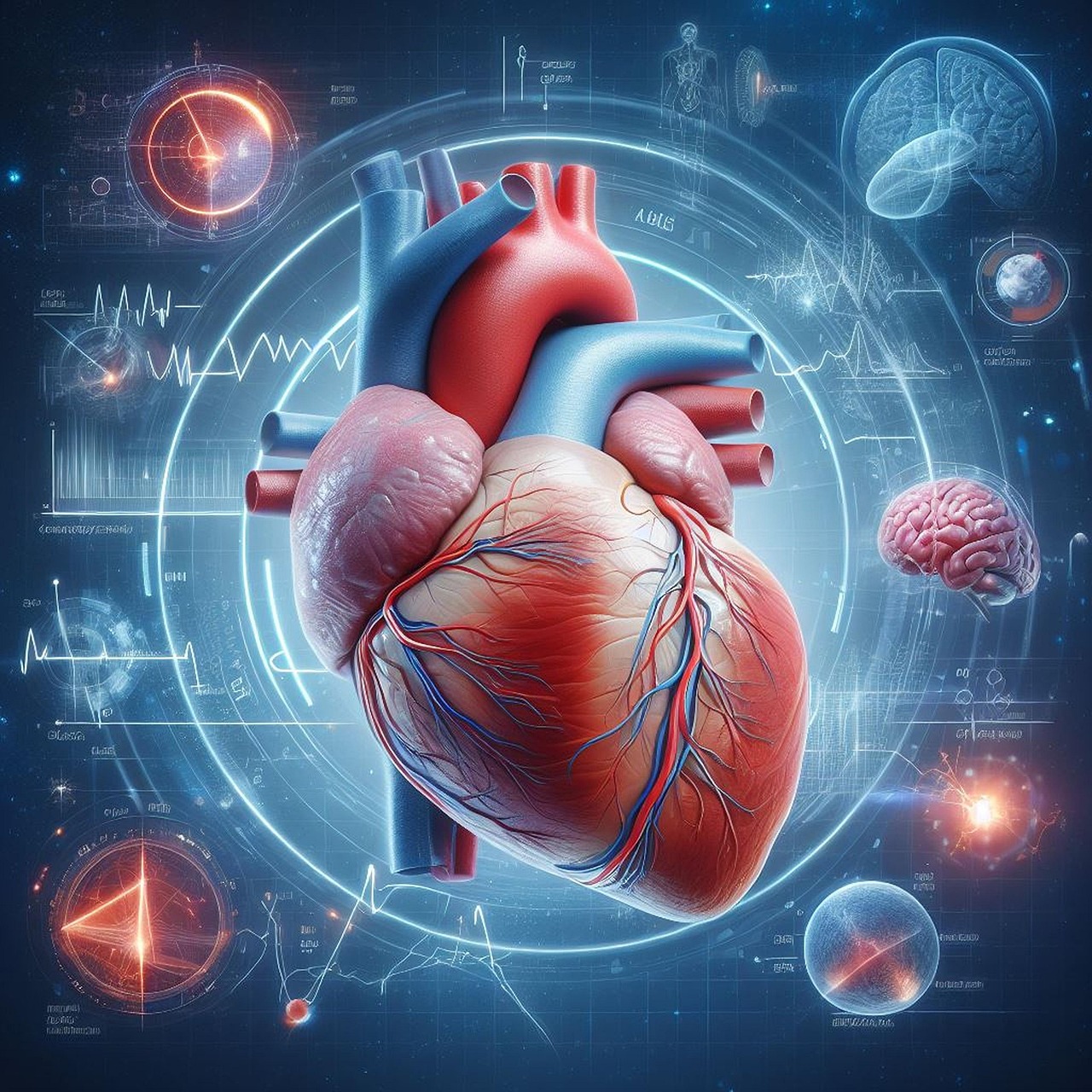

Recovery Strategies After Intense Cardiovascular Training
After intense cardiovascular training, recovery strategies are paramount for enhancing performance and preventing injury. Proper recovery can improve your stamina, help alleviate muscle soreness, and reduce fatigue. Some effective strategies include hydration, adequate nutrition, and sufficient rest. Hydration is crucial, as fluids help replace those lost through sweat. Aim to drink water and electrolyte-rich beverages to restore your body’s balance. Nutrition plays a vital role; focus on foods rich in proteins, carbohydrates, and healthy fats to replenish energy stores and facilitate muscle repair. Rest is equally important; include active recovery and ample sleep in your regimen. Engage in light activities to promote blood circulation without taxing your body. Stretching and foam rolling can also aid in relieving muscle tightness and improving flexibility. Listening to your body signals during recovery can prevent overtraining and ensure optimal performance in subsequent workouts. Guided recovery sessions and listening to music can enhance relaxation, further boosting the process. Some people utilize compression clothing to enhance blood flow and reduce swelling, ensuring a quicker return to peak performance, maintaining a consistent routine guarantees better results.
Importance of Hydration
Hydration is one of the most essential aspects of recovery after intense cardiovascular training. When you exercise vigorously, your body loses a significant amount of water through sweating, which can lead to dehydration. This deficiency can impact your overall performance and recovery time. Maintaining hydration helps regulate body temperature, keeps joints lubricated, and prevents fatigue. Water serves as a vehicle for transporting nutrients and oxygen to cells, facilitating the recovery process. Aim to drink at least 16-24 ounces of fluids post-workout, depending on the intensity of your training and the climate. In addition to water, electrolyte drinks can restore essential minerals lost during intense workouts. Replenishing these electrolytes, mainly sodium and potassium, can help prevent cramping and fatigue. Use tools like hydration tracking apps as reminders to stay hydrated throughout the day. Make it a habit to carry a water bottle during workouts. Always listen to your thirst signals, as these can help you gauge if you’re adequately hydrating. Developing a proper hydration schedule can significantly enhance your recovery from intense training, allowing you to perform better in your next session.
Another crucial aspect of recovery involves nutrition. Proper post-workout nutrition is essential for restoring energy and repairing muscles exhausted during exercise. Incorporating a balanced meal that includes proteins, carbohydrates, and healthy fats within 30 minutes after training is highly beneficial. Protein aids in muscle repair and growth; aim to include sources like chicken, fish, or plant-based options like tofu. Carbohydrates replenish glycogen stores utilized during your workout, making energy easily accessible for later use. Good carbohydrate sources include whole grains, fruits, and sweet potatoes. Healthy fats from avocados or nuts can help support joint health and provide sustained energy. An excellent strategy is to prepare post-workout meals in advance to avoid any temptation for unhealthy fast food. Smoothies can also be an effective way to consume essential nutrients quickly. Include greens, a protein source, and fruits to make a delicious and nutritious shake. Timing is essential, but overall balanced nutrition throughout your day significantly impacts recovery. Remember to consult a nutritionist or health professional if you have specific dietary needs or goals, ensuring you are on the right track.
Incorporating Active Recovery
Integrating active recovery into your routine can significantly speed up the recovery process following intense cardiovascular workouts. Instead of complete rest, consider light physical activities that promote blood flow to fatigued muscles while allowing them to recover. Activities like walking, gentle yoga, or swimming at a low intensity can help alleviate soreness and stiffness. Active recovery aids in flushing out lactic acid and reduces muscle fatigue, meaning you recover faster. Incorporating stretching sessions or mobility drills can enhance flexibility and range of motion, preventing injuries in the long run. Aim for 20-30 minutes of these light activities post-intense training, as they help reduce heart rate gradually and bring your body back to a normal state. Also, active recovery can provide a mental break from high-intensity training while maintaining fitness. Engaging in a variety of activities can renew your enthusiasm for workouts while ensuring optimal recovery. Developing a habit of including active recovery days in your weekly schedule fosters better long-term health outcomes. Monitor how you feel during these sessions and adjust activities based on your recovery level and energy.
Adequate rest and sleep are also a vital component of your recovery strategy after intense cardiovascular training. Sleep is when the body performs most of its recovery and repair processes. During deep sleep, the body releases growth hormones that facilitate muscle repair and growth while reducing inflammation. Aim for 7-9 hours of quality sleep each night, and consider incorporating relaxation techniques in your bedtime routine, such as meditation or reading. Taking short naps after intense workouts can also help revive energy and recovery. Establishing a consistent sleep schedule, where you go to bed and wake up at the same time daily, can enhance sleep quality. Environmental factors like darkness, noise, and temperature significantly influence sleep quality; consider investing in blackout curtains to minimize light exposure. Create a restful space free from distractions, allowing your body and mind to recharge optimally. Avoid caffeine or heavy meals close to bedtime, ensuring better sleep quality. Moreover, consider limiting screen time before bed, as blue light emitted from devices can inhibit sleep hormone production. These strategies collectively contribute to efficient recovery, readying you for the next workout.
Benefits of Stretching and Foam Rolling
Incorporating stretching and foam rolling into your recovery routine can provide immense benefits after intense cardiovascular training. Stretching helps improve flexibility, which is vital in preventing injuries during workouts. It can also relieve muscle tightness resulting from strenuous exercises by enhancing blood flow to the muscles. Focus on both static and dynamic stretches throughout your recovery, emphasizing major muscle groups used during your workout. Spend at least 10-15 minutes stretching after intense cycling or running sessions. Additionally, foam rolling acts as a self-myofascial release technique, breaking down knots and tightness in the fascia surrounding muscles. This approach can significantly reduce soreness and boost flexibility. Allocate 10-20 minutes for foam rolling after workouts, specifically targeting areas that feel tight. Use various techniques, such as rolling slowly and pausing on tight spots, to release tension effectively. When done consistently, both stretching and foam rolling can accelerate recovery, making it easier for you to resume high-intensity workouts sooner. Emphasizing these practices creates a comprehensive recovery strategy, allowing you to support your body through intensive cardiovascular training without risking injury or overly fatigued muscles.
Lastly, considering alternative recovery methods can further enhance your recovery process post intense cardiovascular training. Techniques such as massage therapy, contrast baths, and nutrition supplementation can all contribute positively to recovery. Professional massages can help alleviate muscle tightness and boost circulation, promoting faster recovery. Explore options like deep tissue or sports massage to target specific muscle groups. Contrast baths, alternating between hot and cold water, can help reduce inflammation and aid recovery. Additionally, consider using recovery supplements like branched-chain amino acids (BCAAs) to support muscle recovery. These supplements can decrease soreness and enhance muscle rebuilding after workouts. Consult with a health professional before starting any supplementation regimen tailored to your needs. Furthermore, integrating mind-body practices like meditation or breathing exercises can enhance mental recovery. These techniques can improve focus, reduce stress, and help maintain motivation in your training regimen. By addressing both physical and mental aspects of recovery, you create a more comprehensive approach to your training. Balancing various recovery strategies ensures that your body is prepared for the next challenge, allowing for continued growth and improvement in performance.