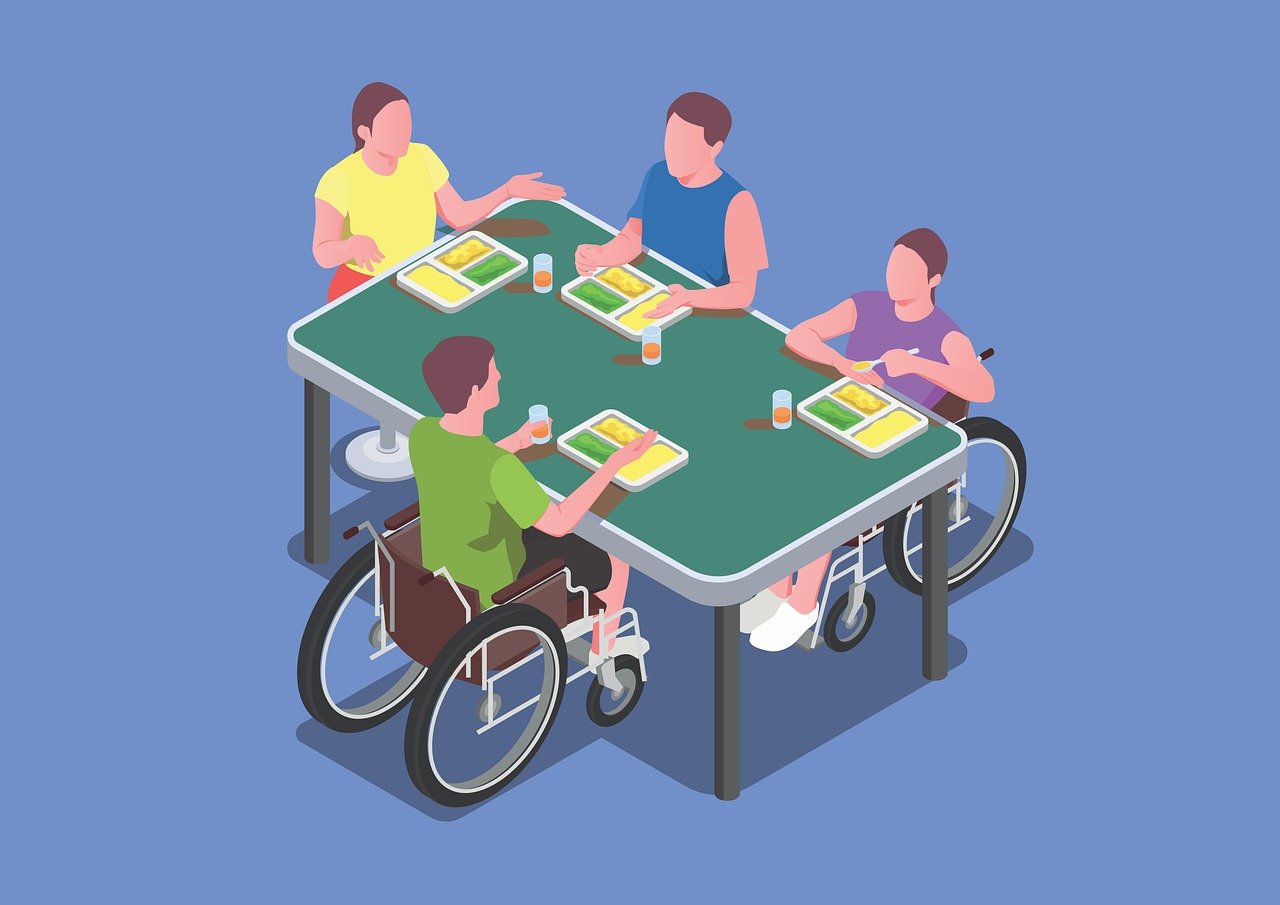

Adapting Strength Training for Teens with Special Needs
Strength training can greatly benefit teenagers, particularly those with special needs. Tailoring strength training programs to meet individual capabilities is vital for success. Understanding the specific needs of each teen will ensure that training is both safe and effective. It’s also important to consider the unique challenges these teens face, as their physical, emotional, and social needs can vary widely. This understanding forms the foundation of any fitness approach. Involving physical therapists and qualified trainers helps create a supportive environment, offering guidance that respects individual limitations. Working closely with professionals can greatly enhance the effectiveness of strength training routines. Additionally, obtaining regular feedback from both the participants and their families is key to the process. This ensures that the training plan remains aligned with their goals. Effective communication not only fosters comfort but also builds trust between trainers and teens. Ultimately, the goal is to empower these young individuals through strength training, enhancing their self-confidence and physical capabilities. As the training progresses, observing improvements provides motivation and encouragement for all involved in this rewarding journey.
Incorporating a variety of exercises is crucial for maintaining engagement in strength training. Variety can include traditional weightlifting, resistance bands, or body-weight exercises tailored to individual abilities. These exercises improve not just strength but also coordination and balance, two essential skills for overall fitness. Programs must encourage progression at a pace suitable for every teen, avoiding overwhelming them with challenging routines. Proper guidance on form and technique is vital to prevent injuries and maximize benefits. Adaptations may sometimes be necessary based on personal comfort and capability, ensuring that every teen can participate meaningfully. Appropriate adaptations could mean using lighter weights or slower movements during sessions. Fun elements, such as games or challenges that include strength tasks, can also motivate participation. Providing positive reinforcement can enhance the learning experience, making teens feel accomplished. Involving teens in the planning stage encourages ownership of the exercise routine, boosting their confidence to participate. To maintain interest, including group sessions can promote a supportive community atmosphere. This social interaction, alongside physical gains, can significantly enhance both commitment and enjoyment.
Developing a Routine
Creating and adhering to a flexible routine is essential for successful strength training. Establishing a schedule can help teens understand commitment and consistency in their fitness journey. It is critical to customize the frequency and intensity of workouts according to individual capability. Strength sessions may range from two to four times weekly, depending on the teen’s goals and physical readiness. When developing the schedule, ensure that there is a proper balance between activity and rest. Teenagers with special needs often require more focus on recovery periods, so planning rest days within the training program is important. Families should also be informed about this routine to provide support at home. Having consistency will help cement these physical activities into their lifestyle, promoting overall well-being. Monitoring progress through regular assessments or check-ins can keep motivation high, as seeing improvements can be a powerful incentive. Using visual aids, such as charts, can help track accomplishments and establish goals, allowing teens to visualize their journey. This creates a sense of achievement as they see how far they have come over time, fostering a commitment to fitness and strength training.
Engaging in strength training can also contribute to improved mental health for teens with special needs. Regular physical activity is linked to lower stress levels, reduced anxiety, and enhanced mood, which can be particularly beneficial for this demographic. Incorporating strength training into their routine can help build resilience, self-esteem, and emotional regulation. It’s crucial to promote a positive mindset towards fitness, framing challenges as opportunities for growth rather than barriers. Focus on building relationships within training groups creates stronger support networks, essential for mental well-being. Encouraging teens to express themselves, share their experiences, and provide feedback fosters an inclusive environment. This environment allows each participant to feel understood and valued regardless of their abilities. Creating an atmosphere of camaraderie among participants also enhances the social aspect of group training. Celebrating achievements, no matter how small, can create joy and provide motivation for continued participation. Positive experiences in these settings can lead to life-long habits of physical activity, benefiting their overall health and well-being. Thus, strength training not only develops physical strength but also strengthens mental fortitude and resilience within these teens.
Safety Considerations
When engaging in strength training, it is essential to prioritize safety over all else. Monitoring the teens closely during exercises ensures that they are performing movements correctly, which minimizes injury risks. Each exercise should be appropriately demonstrated and practiced in a controlled environment to ensure safety. All equipment must be suitable for the individuals using it, paying attention to quality and comfort. Ensuring that weights are not too heavy is crucial, and teens may need guidance on determining appropriate resistance levels. Each session should begin with a proper warm-up to prepare muscles and joints for the forthcoming activity. Similarly, concluding with cool-down exercises will enhance recovery and reduce soreness. Supervision is critical during training sessions, with an adult present to provide immediate assistance if needed. Furthermore, regular communication with caregivers about any discomfort or challenges experienced during workouts is vital. Always ensure that teens feel comfortable approaching their trainers with concerns. Sustaining a culture of safety will promote confidence in teens, allowing them to focus purely on their physical gains without fear of injury or setbacks. Incorporating these safety principles establishes a solid foundation for effective strength training programs.
Moreover, incorporating technology into strength training sessions can enhance engagement for teens with special needs. Utilizing fitness trackers or apps can help monitor their progress, while also introducing fun elements to workouts. These digital tools can foster a sense of accomplishment and motivation as teens can see their improvement over time. Gamification, where teens earn rewards or badges for specific milestones, can further boost their enthusiasm for training. Introducing a competitive element, if appropriate, can create additional motivation. However, it is essential to structure challenges carefully to avoid discouragement. Open discussion regarding the use of technology can enhance communication with both teens and their families. Training videos can also serve as useful educational tools for demonstrating proper exercise techniques. Everyone involved should have access to these resources for best results. As technology connects participants with training knowledge, it also builds a sense of community around shared fitness journeys. Therefore, technology not only enhances physical training outcomes but also promotes a connected yet individualized approach to fitness among teens with special needs, enriching their overall experience.
Conclusion
Adapting strength training for teens with special needs involves comprehensive planning, communication, and feedback. Establishing a strong foundation through tailored routines can lead to numerous physical and mental benefits. These adaptations should prioritize safety, inclusivity, and personal engagement, emphasizing that every individual can experience success. As trainers and families collaborate to create effective programs, emphasis must be placed on flexibility to accommodate changing needs and circumstances. Consistently involving teens in their training processes builds ownership and accountability, encouraging commitment to their fitness journeys. Everyone involved must celebrate progress and achievements to reinforce motivation throughout these journeys. Establishing a supportive community surrounding these teens offers not just encouragement but also companionship on their fitness voyage. In a world where physical fitness significantly impacts overall quality of life, providing these teens with appropriate strength training resources is essential. Through thoughtful execution and commitment, strength training can empower individuals to embrace their capabilities, enhancing both their physical strength and emotional well-being. In essence, adapting strength training for teens with special needs fosters resilience, confidence, and a love for fitness that can last a lifetime.
By taking a holistic and respectful approach, we can ensure that strength training positively impacts the lives of teens with special needs, paving the way for healthier futures.