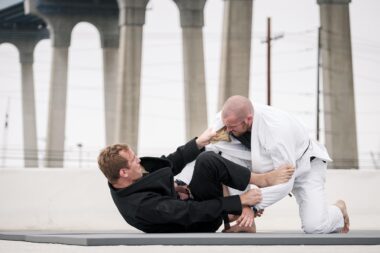

Incorporating Krav Maga in Law Enforcement Training
Krav Maga, the martial art developed for practical self-defense, has gained astute recognition in the context of law enforcement training. Its effectiveness lies in its focus on addressing real-world threats swiftly and decisively. This system integrates situational awareness, stress management, and self-defense maneuvers that cater specifically to the unpredictable situations officers face daily. Many law enforcement agencies have begun to incorporate Krav Maga methodologies to enhance officer safety and performance. The training enhances not only physical skills but also mental fortitude, allowing officers to react appropriately under duress. Officers that are trained in Krav Maga develop strong foundational skills that include striking, grappling, and escaping hostile situations, making it ideal for law enforcement scenarios. This approach also emphasizes a proactive mindset, encouraging officers to avoid confrontations while being prepared for potential violence. In implementing Krav Maga as part of their training regimen, law enforcement agencies can effectively reduce the use of excessive force, ensuring a more controlled approach to conflict resolution. The robust curriculum is designed to prepare officers for both armed and unarmed confrontations, fostering more adept and confident law enforcement officials.
Understanding the philosophy behind Krav Maga is essential when integrating it into law enforcement practices. The teachings advocate for the principle of using the most efficient and effective response to any threat. This no-nonsense approach aligns with law enforcement’s primary objective of maintaining peace and safety within the community. Training sessions typically focus on realistic scenarios that officers might encounter in the line of duty. Techniques are designed to be straightforward, allowing for quick learning and application under high-stress conditions. Officers are trained to neutralize threats quickly while minimizing risk to themselves and bystanders. Additionally, Krav Maga promotes physical conditioning, encouraging officers to maintain optimal fitness levels necessary for their demanding job. The physiological aspect of training plays a significant role in an officer’s performance. Incorporating functional fitness routines into Krav Maga training helps officers build agility, strength, and endurance. Furthermore, the integration of scenario-based training ensures that officers can practice their skills in surroundings that simulate real-life situations. The result is a training program that empowers officers to confidently handle potentially dangerous encounters safely and efficiently.
Benefits of Krav Maga for Law Enforcement
The benefits of Krav Maga for law enforcement extend beyond self-defense techniques. One of the most notable advantages is the emphasis on situational awareness. Officers trained in Krav Maga learn to recognize potential threats before they escalate and can take proactive measures to diffuse a situation. This proactive mindset is essential in modern policing, where violent encounters can arise unexpectedly. Furthermore, the training instills a strong sense of confidence in officers, as they become proficient in combat skills that directly apply to their duties. Higher confidence levels can often lead to improved decision-making under pressure. Officers who are adequately prepared are likely to engage in fewer violent confrontations, creating safer environments for both law enforcement personnel and the communities they serve. Additionally, Krav Maga training focuses on de-escalation tactics, equipping officers with the skills to resolve conflicts verbally when possible. This approach respects community relationships while still prioritizing the safety of everyone involved. Overall, incorporating Krav Maga into law enforcement training presents a comprehensive solution to improve outcomes in potentially dangerous encounters.
The implementation of Krav Maga training in law enforcement requires careful consideration of curriculum development. Law enforcement agencies must tailor their training programs to fit the specific needs of their departments. It is essential to collaborate with expert Krav Maga instructors who understand the unique challenges officers face. A well-structured program combines classroom instruction with practical drills, ensuring that all officers grasp the concepts thoroughly. The initial phases should start with understanding basic principles before progressing to more complex techniques. Integration with existing training protocols is also critical, allowing officers to refine their skills without redundancy. Regular training sessions and refresher courses can help maintain proficiency. Officers should be encouraged to practice consistently to internalize the skills they learn. Evaluation measures can assess proficiency and effectiveness, providing insight into areas needing improvement. Additionally, feedback from officers can guide curriculum adjustments based on their experiences in the field. The ultimate goal of incorporating Krav Maga is to create a culture of safety and preparedness among law enforcement personnel while reinforcing community trust in their abilities.
Challenges in Training Implementation
While the advantages of incorporating Krav Maga into law enforcement training are clear, there are several challenges that agencies may face in implementation. Firstly, resource allocation plays a significant role; training programs require funding for expert instructors, facilities, and equipment. Smaller departments may struggle to provide these essential resources, potentially limiting their ability to adopt comprehensive Krav Maga programs. Additionally, the size of the training cohort can affect training quality. When agencies have many officers to train, it can become difficult to provide personalized attention necessary for skill development. Ensuring that all officers receive the same level of training is essential for consistency. Moreover, cultural resistance within some law enforcement agencies can hinder the acceptance of new training methods. Officers accustomed to traditional methods may be reluctant to embrace Krav Maga principles. Overcoming these challenges necessitates strong leadership and commitment to ensuring that the training environment is conducive to learning and improvement. Finally, ongoing assessment and adaptation of training programs are essential to ensure alignment with evolving law enforcement needs and community expectations.
The role of leadership in incorporating Krav Maga into law enforcement training cannot be understated. Leadership commitment is crucial to creating a culture that values continuous improvement and adaptability. By championing the integration of Krav Maga, leaders can effectively influence their departments’ acceptance of the program. Developing a supportive environment encourages engagement from officers, making them more receptive to rigorous training initiatives. Community involvement also plays a critical role in this integration process. Engaging local organizations and stakeholders when implementing Krav Maga programs can foster transparency and trust within the community. Regular communication with community members about law enforcement training objectives can enhance public confidence in the agency’s readiness to serve. Moreover, showcasing successful training outcomes can reassure the public that officers are equipped to handle conflicts safely and effectively. Building trust between law enforcement and the community is paramount; when citizens see that officers are well-trained and proficient, it fosters mutual respect. This partnership can lead to improved relationships, increased cooperation, and a more harmonious community dynamic.
Conclusion: The Future of Krav Maga in Policing
The future of Krav Maga in law enforcement looks promising, given its numerous benefits in enhancing officer effectiveness and safety. As challenges persist in policing, integrating creative solutions like Krav Maga will be vital for adapting to modern threats. Agencies are increasingly recognizing the importance of proactive training approaches that prioritize officer well-being while ensuring public safety. With advancements in training technology, such as simulation software and virtual reality environments, officers can practice their skills in diverse simulated situations. This technology integration could lead to more comprehensive and impactful training experiences. Continuous evaluation and feedback loops must guide the future development of Krav Maga within law enforcement. Regular assessments can help ensure that training methods remain relevant to the evolving landscapes of law enforcement and civilian interactions. Additionally, ongoing research that examines the impacts of Krav Maga in law enforcement will be instrumental for developing evidence-based training methods. Embracing this growth mindset and innovation in training methodologies will empower law enforcement officers, ensuring they are prepared to face the complexities of their roles in a dynamic society.
In summary, the incorporation of Krav Maga into law enforcement training represents a significant advancement in preparing officers for the challenges they face in the field. This martial art emphasizes self-defense, situational awareness, and effective communication, aligning closely with the objectives of modern policing. By engaging in tailored training programs that focus on both physical and mental preparedness, agencies can equip their officers with the tools needed to navigate high-pressure situations successfully. Future research and community engagement will further enhance the alignment of Krav Maga training with the expectations of society. Embracing such progressive training frameworks will not only improve officer safety and performance but will also strengthen the bond between law enforcement and the communities they serve. Moving forward, an emphasis on adaptability and continuous improvement will be essential components of integrating Krav Maga into law enforcement practices. As more agencies explore the potential of this training, the positive impacts on officer readiness, community relationships, and overall public safety will become increasingly evident, paving the way for a more confident and competent law enforcement force in our society.