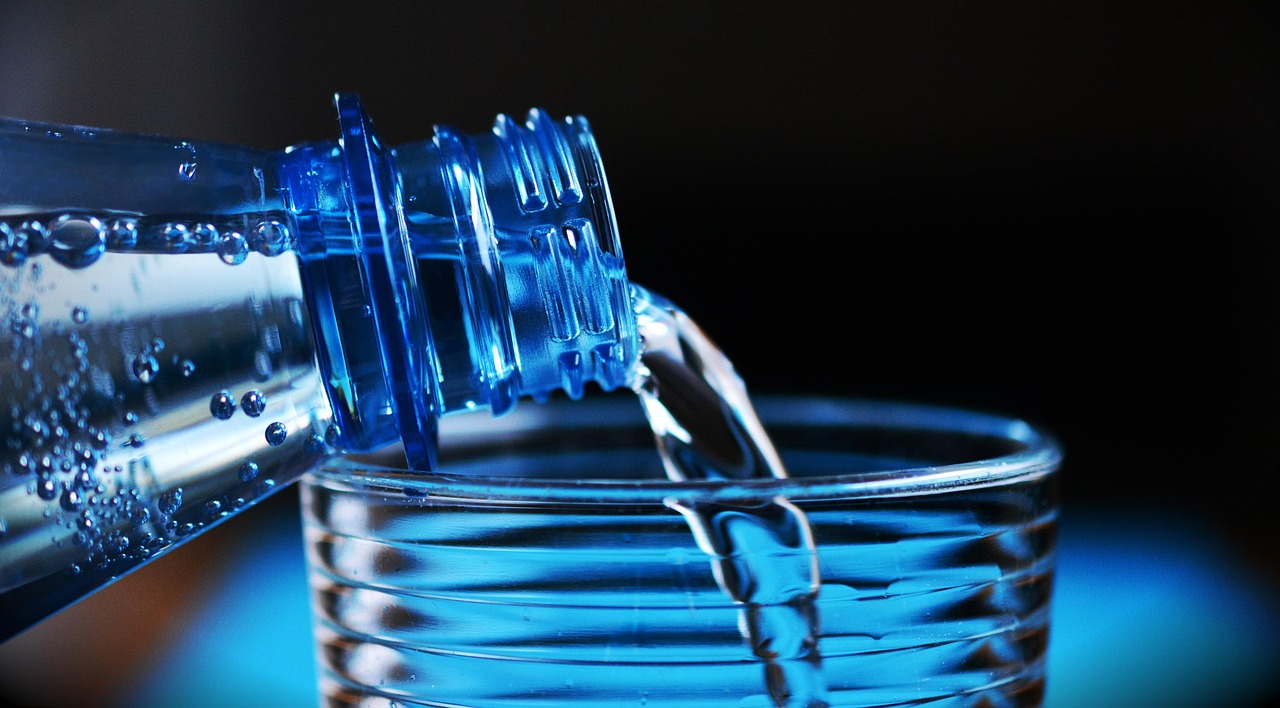

The Relationship Between Fluid Intake and Psychological Well-being
The connection between hydration levels and mood is increasingly recognized and researched. Fluids play a vital role in maintaining cognitive function and emotional stability. Just as essential nutrients influence our mood, so too does our hydration status. Dehydration can lead to physical ailments, but perhaps more importantly, it can significantly impact mental health. Studies have shown that even mild dehydration can affect mood and cognitive performance. Common symptoms of dehydration include fatigue, irritability, and difficulty concentrating. When our bodies lack sufficient water, stress responses can heighten, affecting our emotional state. Thus, drinking adequate fluids consistently may serve as a method for improving mental well-being. It’s not just about the quantity of water but also the quality of hydration sources. Consuming fluids that contain electrolytes and minerals helps to maintain hydration levels effectively. Moreover, the psychological benefits of staying hydrated extend to increased productivity and better resilience against stressors. By prioritizing the intake of fluids, individuals can potentially enhance both their psychological well-being and overall quality of life.
Various factors influence hydration and its impact on mood. These include individual differences such as age, activity level, and environmental conditions. For instance, older adults may experience a diminished thirst response, making them susceptible to dehydration. Additionally, those engaged in rigorous physical activities lose fluids through sweat and need to replenish them more significantly. Psychological states can also dictate hydration levels, as stress or distractions might lead to neglecting fluid intake. Economic factors may further complicate hydration, with some individuals lacking access to clean drinking water, which can exacerbate mental health issues. Hence, understanding personal hydration needs is crucial. It is essential for individuals to develop a greater awareness of their hydration habits and how these habits correlate with mood fluctuations. Tracking fluid intake with various applications can assist in maintaining awareness. On a broader scale, increasing community awareness about hydration’s role can lead to improved public health outcomes. The promotion of hydration should not only focus on physical benefits but also emphasize the profound implications for psychological wellness.
The Science Behind Hydration and Mood
Research on hydration and mood reveals significant findings. Studies indicate that moderate dehydration can heighten tension and anxiety in individuals. Furthermore, cognitive tasks performed under dehydrated conditions result in poorer performance compared to well-hydrated conditions. This highlights the need for understanding hydration’s role in our daily functioning and mental health. When we lose more water than we consume, physical symptoms can manifest, which in turn affects our mood. From headaches to fatigue, the body communicates its need for water, and often this correlates with irritability and depression. Additionally, dehydration affects the body’s ability to produce serotonin and dopamine, neurotransmitters crucial for regulating mood. Maintaining fluid intake can help ensure these chemicals function effectively. As a preventive measure, it is helpful to have strategies for regular hydration, such as setting reminders or consuming water-dense foods. Ultimately, enhancing hydration awareness may assist in promoting mental health and well-being. By recognizing the connection between our water intake, brain function, and mood, we can take actionable steps towards better psychological health.
People often overlook the importance of hydration in their daily routines. Most are aware of the benefits of eating nutritious foods, yet fluid intake is commonly sidelined. Ignoring hydration can have dire consequences for mental health. Research suggests adequate hydration is as essential for brain health as a balanced diet. Furthermore, hydration affects how we manage stress. When we are hydrated, our physical responses to stressors can be mitigated. Sufficient water intake aids in maintaining blood pressure, circulation, and reduces headaches, which can collectively improve mood. Employers and organizations can play a role by encouraging hydration breaks during work hours. They can facilitate this with water stations and reminders to drink fluids regularly. Implementing such practices can promote a more proactive approach to mental well-being in the workplace. On a personal level, individuals can set goals to reach daily hydration needs. By being intentional about hydration habits, one may notice improvements in mood, energy levels, and overall mental health. Simple changes like carrying a water bottle can serve as constant reminders to hydrate throughout the day.
Hydration Strategies for Better Mental Health
Effective hydration strategies can greatly influence mental health positively. Staying well-hydrated begins by understanding one’s needs based on lifestyle and environmental factors. A basic guideline suggests aiming for at least eight 8-ounce glasses of water a day. However, individual hydration needs can vary substantially. It is also important to incorporate water-rich foods in the diet as part of a holistic strategy. Fruits such as watermelon, oranges, and even vegetables like cucumbers contribute significantly to fluid intake. Additionally, herbal teas or coconut water can also serve as excellent hydration sources. Maintaining a visual cue can help reinforce hydration habits; using a marked bottle indicating water levels or time can encourage regular consumption. Another effective method for hydration is to link drinking water with other daily routines, such as meals or exercise. This helps make fluid intake a natural part of the day’s activities. Individuals can also personalize their hydration approach by flavoring water with fruits or herbs, which can enhance enjoyment and make it easier to meet daily hydration needs.
Barriers to proper hydration persist in many communities. Educational resources about the significance of hydration and its psychological impacts are often lacking. Many individuals perceive hydration merely as thirst. However, it is essential to distinguish between thirst and actual hydration needs. Programs aimed at educating communities about proper hydration could improve overall mental health indicators. Schools, workplaces, and healthcare facilities should prioritize this topic. Regular workshops or informational sessions could provide valuable insights into maintaining adequate fluid intake. For individuals with limited access to clean water, public health initiatives can play a crucial role. These initiatives can ensure access to hydration sources, promoting not only physical health but mental wellness as well. Additionally, local policymakers can advocate for the establishment of public water access points to support community hydration needs. Engaging with community organizations to develop awareness campaigns would further aid in encouraging hydration. By creating an informed community, we can foster collective change toward better mental health resulting from proper hydration practices. Addressing barriers and promoting consistent hydration can empower individuals towards improved well-being.
Conclusion
The link between hydration and psychological well-being is undeniable. Understanding this relationship is crucial for developing effective strategies to enhance mental health. By prioritizing hydration, individuals can experience improved mood, reduced stress, and better cognitive performance. As we continue to explore the importance of hydration, the need for education and awareness becomes increasingly evident. This is especially true for vulnerable populations who may struggle with accessing adequate water. Hydration should no longer be viewed merely as a physiological necessity; instead, it must be regarded as integral to mental health. Future research should focus on broadening awareness and acceptance of optimal hydration practices, ensuring individuals recognize its potential benefits. As society evolves, so too should our understanding of health; hydration is a key component in achieving this balance. Investing in community health initiatives to promote hydration education can yield long-term benefits. The goal extends beyond physical hydration; it encompasses a holistic approach to mental wellness. Ultimately, by embracing hydration as a fundamental aspect of our health, we pave the way for improved psychological well-being for everyone.