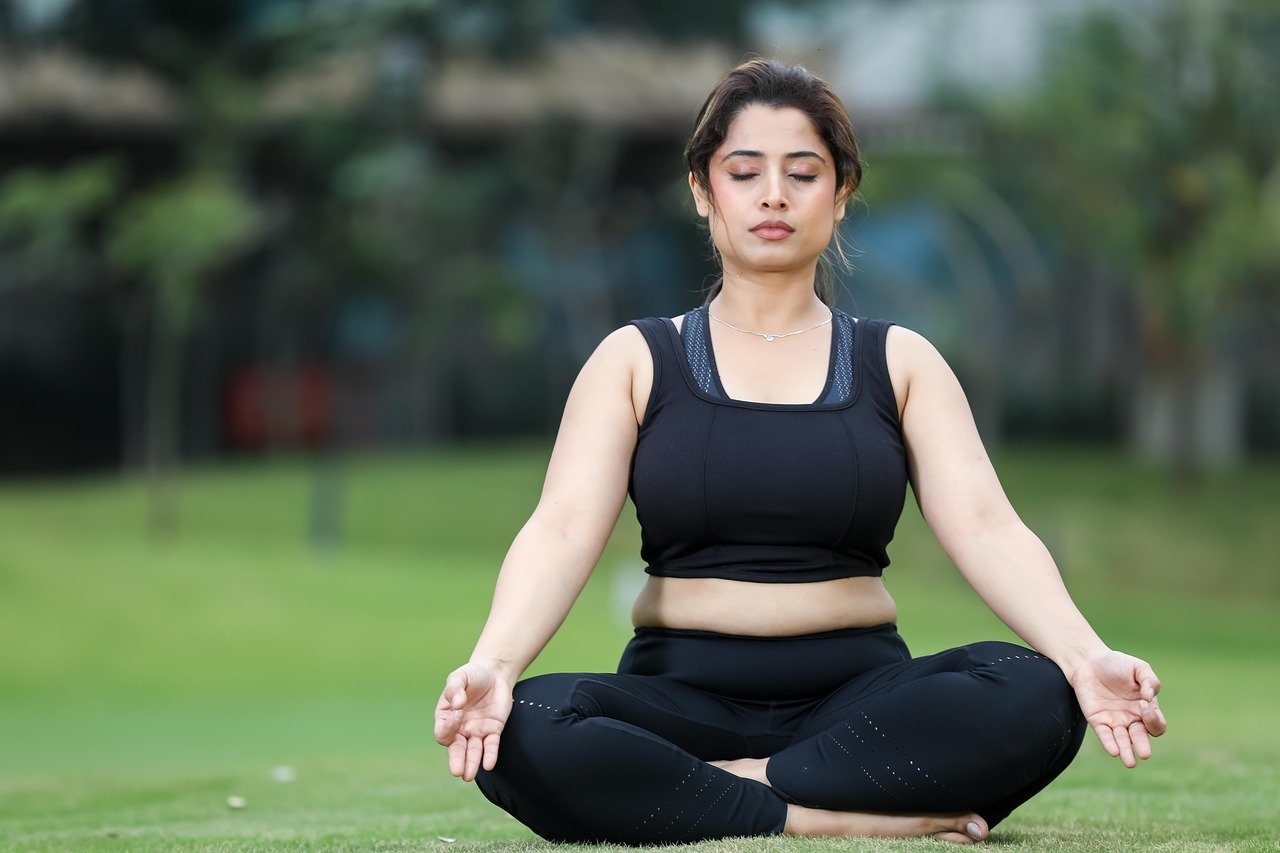

Using Breathing Techniques to Enhance Exercise Efficiency
Incorporating meditation, particularly breathing techniques, into workout routines can significantly enhance overall exercise effectiveness. Mindful breathing helps focus the mind while providing various physiological benefits. To maximize your performance during workouts, consider the following breathing exercises: 1. Deep abdominal breathing – encourages diaphragmatic engagement; 2. Box breathing – assists in calming the mind and regulating breath; 3. Alternate nostril breathing – balances the nervous system; 4. Breath counting – enhances mental concentration during exercises. When implemented into training sessions, these methods can improve endurance, reduce fatigue, and accelerate recovery times. Furthermore, mindful breathing tends to lower stress levels, allowing individuals to engage fully with their workouts, fostering a better mind-body connection. Additionally, athletes often report heightened energy levels when practicing breath control. Repeating focused breathing throughout workout sessions can create a rhythmic flow, contributing to improved stamina and strength. By prioritizing breath as a tool, it can empower overall performance, helping individuals achieve their fitness goals with greater efficiency and awareness. This approach promotes a holistic engagement with physical activity, transforming routine workouts into mindful experiences of personal growth and fitness achievement.
Integrating breathing techniques into various types of exercises can lead to improved efficiency, especially in strength training. When lifting weights or performing resistance exercises, utilizing diaphragmatic breathing is crucial. This method ensures that oxygen supply to the muscles is enhanced, which is vital for loading weights effectively. Inhale deeply before executing the lift and exhale while exerting force. This coordinated effort helps to stabilize the core, thus optimizing power generation. Additionally, timed exhaling can prevent unnecessary tension during workouts, enabling smoother movement and reducing the risk of injury. Engaging in mindful breath awareness during resistant training builds a stronger mind-muscle connection, which can enhance muscle growth and technique quality. Remember to also prioritize breath during rest intervals, helping to recover more quickly and maintaining focus for the next set. A slow, controlled inhale and exhale can facilitate quick recovery between heavy lifts. Furthermore, integrating breathing techniques fosters a deeper engagement with physical movement, ultimately helping practitioners create a seamless rhythm throughout their workout sessions. This holistic approach merges strength training and mindfulness seamlessly, leading to improved overall effectiveness and satisfaction in fitness experiences.
The Role of Breathing in Cardio Workouts
Cardiovascular exercises also benefit from the application of mindful breathing techniques, which can enhance endurance and performance significantly. When participating in activities such as running, cycling, or swimming, maintaining a consistent breathing pattern is essential. Options like rhythmic breathing align closely with specific strides or strokes, fostering a sense of synchrony between breath and movement. Additionally, controlling breath during cardio sessions allows for more extended periods of effort while delaying fatigue onset. Athletes should aim for a breathing rate that matches their effort level; for instance, inhaling for three steps while exhaling for two can create a regulatory pattern. Practicing deep, slow breathing enhances oxygen uptake, effectively supporting sustained cardiovascular activity. This method helps clear the mind, enabling individuals to focus on their current pace and surroundings, enhancing their overall enjoyment of the activity. Furthermore, implementing nasal breathing allows for better oxygenation and filtration, promoting systemic health. Ultimately, prioritizing breath awareness during cardio workouts extends stamina and provides a long-lasting impact on overall physical fitness. By integrating breathing methods, practitioners can maximize each session’s benefits while cultivating mindfulness throughout their fitness journey.
Yoga and similar practices often emphasize the principles of coordinated breathing and movement, making it natural to incorporate these techniques into fitness routines. Mindful breathing cultivates improved flexibility and balance, essential components of any workout regimen. Various breathing exercises can enhance focus and deepen concentration. For instance, practicing deep inhalations followed by slow, controlled exhalations can set a calming tone, promoting smoother transitions between poses or movements. When performing workouts that require flexibility, like Pilates or stretching routines, using breath to anchor poses helps release tension, allowing for improved depth in each position. Additionally, this method teaches participants to listen to their bodies, fostering an environment conducive to personal exploration regarding movement and physical limitations. Combine breath awareness with intention and purpose to maximize functionality during each workout session. Furthermore, this holistic approach integrates mindfulness into your practice, enabling you to recognize your bodily needs while simultaneously offering clarity mindfully. Developing a routine combining motion with breath encourages an optimal workout experience focused on personal achievement and well-being. Regular practice of incorporating these techniques into your exercise routine can lead to noticeable differences in overall fitness outcomes and mental health benefits.
Mindfulness and Recovery: The Importance of Breath
Following intense workouts, the importance of mindful breathing becomes even more apparent during recovery phases. Engaging in breath-focused meditation or deep breathing techniques can significantly shorten recovery times and enhance overall performance. Techniques such as progressive muscle relaxation combined with breath control help in alleviating muscle soreness while fostering relaxation. After completing strenuous activities, allocate time for a cooldown that incorporates conscious breathing exercises. This period can facilitate metabolic recovery while allowing the heart rate to decrease gradually. Breath awareness also encourages a stronger mental connection, guiding mindfulness during recovery, which can often be overlooked. Incorporating restorative practices such as yoga or conscious stretching further enhances muscle recovery. During the cooldown, a focused practice on deep inhalations and longer, relaxed exhalations promotes oxygen supply to fatigued muscles. Tracking breath during recovery periods aids in preventing overtraining, ensuring the body heals adequately before subsequent high-intensity workouts. Emphasizing mindful depth of breathing during recovery creates a holistic fitness process that prioritizes not only physical performance but mental well-being. Overall, a committed practice of mindful breathing during recovery can have a long-lasting impact on fitness efficacy and overall health.
Fitness success is often influenced by various factors, but the intentional integration of mindful breathing techniques stands out as a powerful tool for enhancement. As individuals advance their physical capacities, understanding the role of breath in performance becomes instrumental for sustained growth. Incorporating breath focus into workout regimes frequently leads to noticeable gains in strength, flexibility, and vitality. Notably, each workout participant can customize breathing methods to suit personal preferences while experimenting with various techniques to identify what resonates best. Whether in yoga, strength training, or endurance workouts, everyone can benefit from developing a regular practice of breath-focused awareness. It provides clarity, promotes well-being, and encourages positive engagement in personal fitness journeys. By blending mindful breathing into exercise, participants can cultivate a greater sense of connection to their body while enhancing physical performance simultaneously. Furthermore, embracing this holistic approach encourages consistency and discipline, which are foundational for long-term success. As you embark on this journey, remember to prioritize each breath taken, cherishing the moments of engagement and growth throughout your fitness experience. In doing so, you may unlock new levels of understanding and effectiveness in your training endeavors while promoting mental health and fitness synergy.
Conclusion: Mastering Breathing for Ultimate Success
In conclusion, mastering breathing techniques can unlock vast potential in fitness routines, significantly enhancing overall efficiency and performance. Amplifying physical results can profoundly influence long-term success across varied workout types. The integration of mindful breathing into traditional fitness practices promotes a culture of awareness, fostering personal growth and development. As you gain more experience, take note of how breath-focused strategies facilitate improvements in your exercise quality and intensity. Alongside physical gains, the promotion of mental clarity and reduced anxiety reaps substantial benefits when breath control is a primary focus. Educate yourself on various methods and explore which techniques resonate within your fitness practices. Through experimentation, you can tailor a personalized approach that maximizes training engagements and optimizes recovery protocols beneficially. Ultimately, the effort rewarded in mastering breath work encourages consistency and passion in your fitness experience while enhancing awareness and body connection. Experience each workout as a collaborative journey of growth by incorporating breathing methods that foster both performance and mindfulness. Remember to be patient throughout this transformational journey, celebrating progress and achievements, creating a healthier and more fulfilling fitness lifestyle over time.