
How Neurofeedback Can Improve Mental Fitness and Emotional Control
In today’s fast-paced world, the importance of mental fitness and emotional control cannot be overstated. Neurofeedback, an innovative approach in the field of neuroscience, has emerged as a significant tool for enhancing these aspects of mental health. Essentially, neurofeedback trains individuals to self-regulate their brain activity, allowing them to improve focus, decrease anxiety, and manage emotions more effectively. This method utilizes real-time displays of brain activity through electroencephalography (EEG) to teach self-control over mental states. As users learn to modify their brainwaves through feedback, they may experience profound shifts in their cognitive and emotional well-being. Research has shown that neurofeedback can promote a relaxed yet focused mental state—ideal for learning and emotional balance. Furthermore, it often has fewer side effects compared to traditional medications, making it an appealing option for many individuals. By integrating neurofeedback into daily routines, users can cultivate a heightened sense of awareness and resilience against stressors. Consequently, the potential benefits extend beyond immediate effects, promoting long-term psychological health.
Neurofeedback operates on the foundational principle that the brain is adaptable and can change its patterns through practice. This adaptability, known as neuroplasticity, is central to how neurofeedback facilitates improvement in mental fitness. The process involves the measurement of brainwave activity, which is then displayed on a screen, providing users with instant feedback. Using this feedback, they can learn to alter their brainwave patterns to achieve desired mental states. For example, individuals struggling with attention deficits can train themselves to increase beta waves associated with concentration. Conversely, someone experiencing anxiety may work to enhance alpha brainwaves linked to relaxation. By actively engaging with this feedback loop, individuals effectively become participants in their cognitive development. This personalization of the neurofeedback experience allows for a highly tailored approach, addressing specific needs and challenges. As a result, many users report positive changes in their mental performance, emotional stability, and overall mental health. Additionally, the accessibility of neurofeedback training methods continues to expand through mobile technology and at-home systems, making it easier for individuals to incorporate these techniques into their lives.
The Science Behind Neurofeedback
The scientific basis for neurofeedback lies in its ability to visualize brain activity. Brainwave patterns are categorized into different types, each associated with distinct mental states. For instance, theta waves are often linked to relaxation and creativity, while beta waves are associated with alertness and concentration. Through neurofeedback, practitioners target specific brainwave frequencies that need to be adjusted for optimal functioning. By creating a feedback loop that provides immediate information about brain activity, the individual can learn to self-regulate these patterns. This technology is not exclusively focused on altering negative patterns; it also promotes positive conditioning. Research conducted in clinical settings demonstrates the effectiveness of neurofeedback in treating conditions like ADHD, PTSD, and anxiety disorders. Users often experience improved attention spans, enhanced cognitive flexibility, and reduced stress levels following consistent training. Moreover, long-term studies suggest that the benefits of neurofeedback can be lasting. As a result, this technology holds promise not only for individualized treatment strategies but also for broader applications in enhancing overall mental wellness in diverse populations, including athletes, students, and professionals.
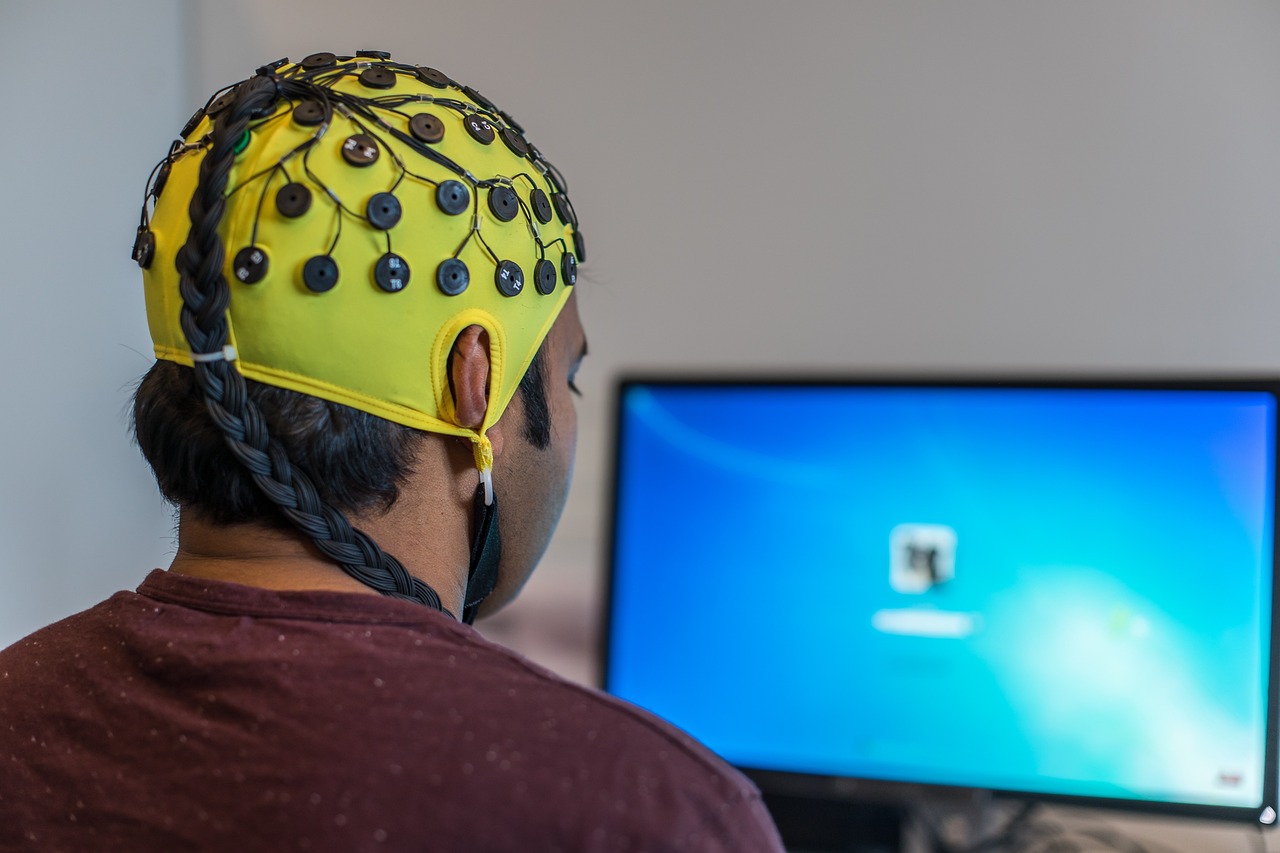
Neurofeedback training programs typically consist of sessions where participants engage in specially designed tasks while connected to EEG equipment. During these sessions, brain activity is monitored, and real-time feedback is provided to the user. Many neurofeedback systems incorporate gamification to make the training more engaging and rewarding. For example, users might play a video game that requires concentration to control an on-screen character; if they begin to lose focus, their character’s performance declines. This immediate cause-and-effect relationship reinforces the learning process. As individuals practice, they gradually learn to enhance desirable brainwave patterns such as alpha and beta waves while suppressing unwanted activities like excessive theta activity. Consequently, over time, users may notice significant enhancements in various cognitive processes, including memory recall, mindfulness, and emotional regulation. Additionally, neurofeedback does not merely target symptoms; it empowers users with techniques for greater self-awareness and emotional intelligence. This empowerment emphasizes the fundamental shift from treatment to active participation in personal mental health management.
Benefits of Neurofeedback in Daily Life
The benefits of neurofeedback extend beyond specific mental health conditions, influencing various aspects of everyday life. Users frequently report improvements in mental clarity, emotional regulation, and stress management, all pivotal components of mental fitness. For instance, individuals who regularly practice neurofeedback may find that they can navigate challenging situations with greater equanimity and resilience. Moreover, athletes often employ neurofeedback as a tool for enhancing performance under pressure. By developing better control over their mental state, they can maintain focus and composure during competition, leading to more favorable outcomes. In addition, neurofeedback enhances creativity by promoting relaxation while simultaneously sharpening focus. This dual benefit aids individuals in creative fields, enabling them to harness their cognitive faculties more effectively. Lastly, neurofeedback can improve overall sleep quality, leading to physical and mental rejuvenation. As restorative sleep plays a critical role in emotional and cognitive well-being, the integration of neurofeedback into lifestyle practices promises substantial long-term benefits. Recognizing these versatile advantages, an increasing number of people are seeking neurofeedback training as part of their holistic wellness strategies.
Integrating neurofeedback into a comprehensive mental fitness regimen can yield dramatic results. Many users begin by identifying specific goals, such as reducing anxiety or enhancing focus. Subsequently, they work with trained professionals to tailor their neurofeedback sessions to these objectives. Typically, the process unfolds over several weeks, where users engage in multiple sessions that progressively build on each other. The structured nature of neurofeedback training ensures that users establish consistent habits and techniques over time. Additionally, many practitioners encourage incorporating mindfulness practices alongside neurofeedback training. This combination fosters a deeper understanding of one’s mental states and enhances the overall effectiveness of the training. As individuals learn to recognize their emotional triggers and reactions, they can apply neurofeedback insights to manage mental challenges better. Encouraging self-reflection and awareness is fundamental to sustaining improvements made during neurofeedback training. Users often emerge from the process not only with enhanced mental resilience but also with a robust toolkit for handling their emotions and thoughts in various situations. Collectively, this reflects a transformative potential available through the empowerment of neurofeedback.
The Future of Neurofeedback
The future of neurofeedback appears bright as ongoing research continues to shed light on its efficacy. Advancements in neuroimaging, artificial intelligence, and machine learning further enhance the precision and adaptability of neurofeedback protocols. By analyzing larger datasets regarding brain activity, researchers can refine the training methods utilized in neurofeedback. This could result in even more effective interventions for mental health challenges. Moreover, integrating neurofeedback with other therapeutic modalities, such as cognitive-behavioral therapy (CBT) or mindfulness, promises to create comprehensive treatment frameworks that address both cognitive and emotional aspects of mental health. As public awareness of mental health issues grows, there is a growing demand for innovative and less invasive therapies like neurofeedback. Potentially, innovations could lead to widely accessible neurofeedback applications, allowing individuals to engage with this technology in their homes. The ultimate goal remains focused on promoting mental well-being at a population level, improving emotional intelligence, resilience, and general mental fitness. As science continues to explore untapped potentials of the brain, neurofeedback stands at the forefront of a mental health revolution.