
Meal Planning for Optimal Hormonal Balance
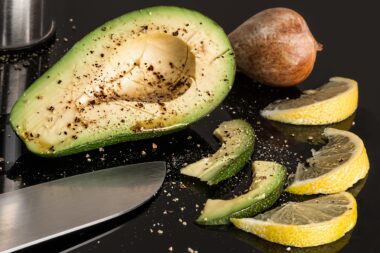
Meal planning for hormonal balance plays a vital role in achieving optimal health. An imbalance in hormones can lead to various issues, including weight gain, mood swings, and fatigue. By consciously planning your meals, you can support your body’s endocrine system. Foods rich in healthy fats, lean proteins, and fiber are essential components for hormone regulation. Avocados, nuts, and seeds provide monounsaturated fats, which help in hormone production. Lean proteins such as chicken and fish enhance muscle growth while stabilizing blood sugar levels. Fiber-rich foods such as whole grains, legumes, and vegetables improve gut health, further supporting hormone balance. Incorporating colorful fruits and vegetables ensures your body receives vital vitamins and antioxidants, promoting overall wellness and reducing inflammation. Additionally, hydration plays a crucial role, so drinking adequate water throughout the day is paramount. Meal planning can significantly reduce stress, making it easier to avoid last-minute unhealthy choices. Preparing meals in advance helps increase the likelihood of sticking to a balanced dietary plan, enhancing your long-term health and wellness prospects. Prioritizing nutrient-dense foods is a foundational step towards achieving hormonal harmony and overall vitality.
To effectively plan your meals, first consider your unique hormonal needs. Different hormones depend on specific nutrients for balance. For instance, estrogen requires sufficient fiber and healthy fats, while insulin management relies heavily on whole grains and vegetables. Start by evaluating your current dietary habits and identifying areas that need improvement. Utilizing a meal planning guide can help streamline the process. Try to organize meals around a framework that includes a source of protein, healthy fats, and complex carbohydrates at each meal. These balanced meals promote steady energy levels throughout the day, which benefits hormonal regulation. Snacks are equally important; choose items that are low in sugar, such as nuts, Greek yogurt, or veggie sticks, to maintain stable insulin levels. Moreover, keeping a food diary can enhance awareness of your eating patterns. Track what you consume daily to identify triggers that may cause hormonal fluctuations. This practice will help you make healthier choices over time. Another key aspect is consistency—aim to eat at similar times each day, as this may further support your hormonal rhythms and help with metabolic balance in the long run.
Essential Nutrients for Hormonal Health
When it comes to nutrients that support hormonal health, several stand out as essential. Omega-3 fatty acids, commonly found in fish, flaxseeds, and walnuts, are prolific anti-inflammatory agents. They also assist in regulating hormones like cortisol and insulin. Magnesium is another critical nutrient; it supports over 300 biochemical reactions in the body. Foods high in magnesium include leafy greens, nuts, seeds, and whole grains. Consider adding foods fortified with vitamin D or maintaining an appropriate level of sun exposure, as this vitamin plays a vital role in hormone production. Additionally, vitamin B complex, particularly B6 and B12, can ease the symptoms of PMS and regulate mood. Incorporating probiotics can also be beneficial. Fermented foods like yogurt, kimchi, and sauerkraut support gut health, indirectly promoting hormonal balance through improved nutrient absorption. Lastly, be cautious with processed foods, as they often contain additives that can disrupt hormonal functions. Utilizing natural herbs and spices, like turmeric and cinnamon, can not only enhance flavor but may also provide additional hormonal support.
To take your meal planning to the next level, consider batch cooking and meal prepping. This approach saves time and ensures you have healthy options available throughout the week. Allocate a specific day to prepare meals in bulk, making it easier to stick to your dietary guidelines. Store meals in clear containers to enhance visibility and reduce food waste. Frozen meals can also be a lifesaver, allowing you to preserve variety in your diet without compromising your health goals. Including a diverse range of foods in your meal plans is essential for providing your body with all necessary nutrients. Incorporating different protein sources, vegetables, and whole grains helps maintain excitement around eating and promotes adherence to your meal plan. Don’t forget to adjust meal sizes and components based on your individual activity levels. If you’re engaging in high-intensity training, additional carbohydrates may be beneficial for recovery. Listening to your body’s hunger cues is just as important as planning meals; therefore, being flexible within your meal framework will enable you to meet your body’s varied needs.
Hydration and Its Impact
The relationship between hydration and hormonal balance should not be overlooked. Water plays a critical role in nearly every bodily function, including metabolism and hormonal signaling. Insufficient water intake can lead to increased cortisol levels, which can result in stress and further hormonal imbalances. To maintain proper hydration, aim to drink half your body weight in ounces daily. For example, if you weigh 150 pounds, strive for 75 ounces of water daily. Incorporating hydration-rich foods, like cucumbers and watermelon, can also contribute to your overall fluid intake. Consider herbal teas as alternatives to caffeine; they promote hydration and can have calming effects on the body. Furthermore, environmentally friendly water bottles can provide a sustainable way to encourage consistent water consumption throughout the day. Keep a water tracking app or note the amount consumed to promote accountability. Understanding how hydration impacts mood, energy levels, and overall well-being can motivate you to prioritize this essential element as part of your meal and lifestyle planning. Enhanced hydration will support your dietary efforts tremendously by fostering a balanced hormonal environment.
Finally, remember that meal planning is not a one-size-fits-all approach. Each person’s hormonal needs and dietary preferences may vary considerably. It can be a helpful practice to consult with a nutritionist or dietitian specializing in hormonal health for tailored advice. They can help you develop a personalized meal plan that considers any unique health challenges or lifestyle habits. Exploring different cuisines and new recipes can enrich your meal planning journey. Creating enjoyable and exciting meals fosters positive relationships with food, making the process less tedious. Engaging family and friends in meal prep or planning can also provide additional motivation and accountability. Consider using apps dedicated to meal planning to find inspiration and streamline your culinary exploration. Adapting to a new meal plan may take time; be patient with your body as it adjusts to new dietary patterns. The positive outcomes will be worth the effort! Embracing this new lifestyle can present not only physical benefits but can also positively influence your mental and emotional states, leading to improved overall health and wellness.
Conclusion
By prioritizing meal planning for hormonal balance, you take significant steps toward enhancing your physical and mental well-being. Understanding which foods, nutrients, and hydration practices impact your hormonal health creates a strong foundation for overall health. Incorporating a rich variety of fruits, vegetables, whole grains, and healthy fats into your meals promotes hormonal stability. Keep in mind the importance of a personalized approach, consulting experts when necessary to tailor strategies to your specific needs. Flexibility within your meal planning, along with consistently coming back to your goals, will aid in maintaining long-term success. The pursuit of better hormonal balance not only facilitates healthier relationships with food but may also result in increased energy, better moods, and improved overall quality of life. Remember, consistency is key, and making incremental changes leads to lasting habits. Each meal is a chance to nourish your body in a way that fosters hormonal health. Empower yourself with knowledge and resources to make healthier choices daily, and see the positive changes unfold within your life. Commit today to meal planning, and enjoy the journey toward a more balanced, healthier lifestyle!

The image showcases a colorful assortment of healthy foods that promote hormonal balance. Proper nutrition is essential for maintaining optimal hormone levels.