
Breathing Techniques to Improve Flexibility in Pilates
Breathing techniques are fundamental in Pilates, serving as tools to enhance flexibility and overall performance. Focusing on breath control allows practitioners to engage their core muscles effectively and facilitates deeper stretches. The importance of proper breathing cannot be overstated, as it promotes relaxation and fluid movement. This can directly influence your flexibility. Practicing inhales and exhales rhythmically creates a sense of focus and alignment. While positioning yourself on the mat, inhaling expands the rib cage, allowing for greater oxygen flow, while controlled exhales release tension from the body. Each breath enriches the body’s natural range of motion, therefore incorporating these breathing patterns regularly in practice can yield significant benefits. To get started, simply lie on your back with your knees bent and feet grounded. Begin taking deep breaths into your abdomen, making sure the chest remains relaxed and engaged. Focus on how the breath feels as it moves through various positions and stretches. Consistence and patience are key; as you refine these skills, you will notice improved alignment, strength, and flexibility while performing Pilates exercises.
Introducing breathing techniques in Pilates can significantly enhance your practice. Understanding how to synchronize your breath with movements is crucial for proper flow and posture. This concept aligns with the Pilates principles, emphasizing the connection between body, mind, and breath. When performing exercises, inhale during the preparatory phase and exhale through the exertion phase. This rhythmic pattern helps maintain core stability during challenging poses. Additionally, inhaling before a movement prepares your body, while exhaling allows for deeper stretches and engagement of the muscles. A common technique is the “4-4-8” method, where you inhale for four counts, hold for four, and exhale for eight. This method encourages longer exhales, promoting relaxation and deeper diaphragmatic breathing. It is essential to apply these techniques with each Pilates session. As your breath deepens, your body’s capability to stretch and lengthen will improve markedly. Keep the breath focused and controlled; such mindfulness not only helps with flexibility but adds an element of meditation to your practice, cultivating both mental clarity and physical improvement. Over time, you will notice a transformation, establishing a deeper connection between breath and movement.
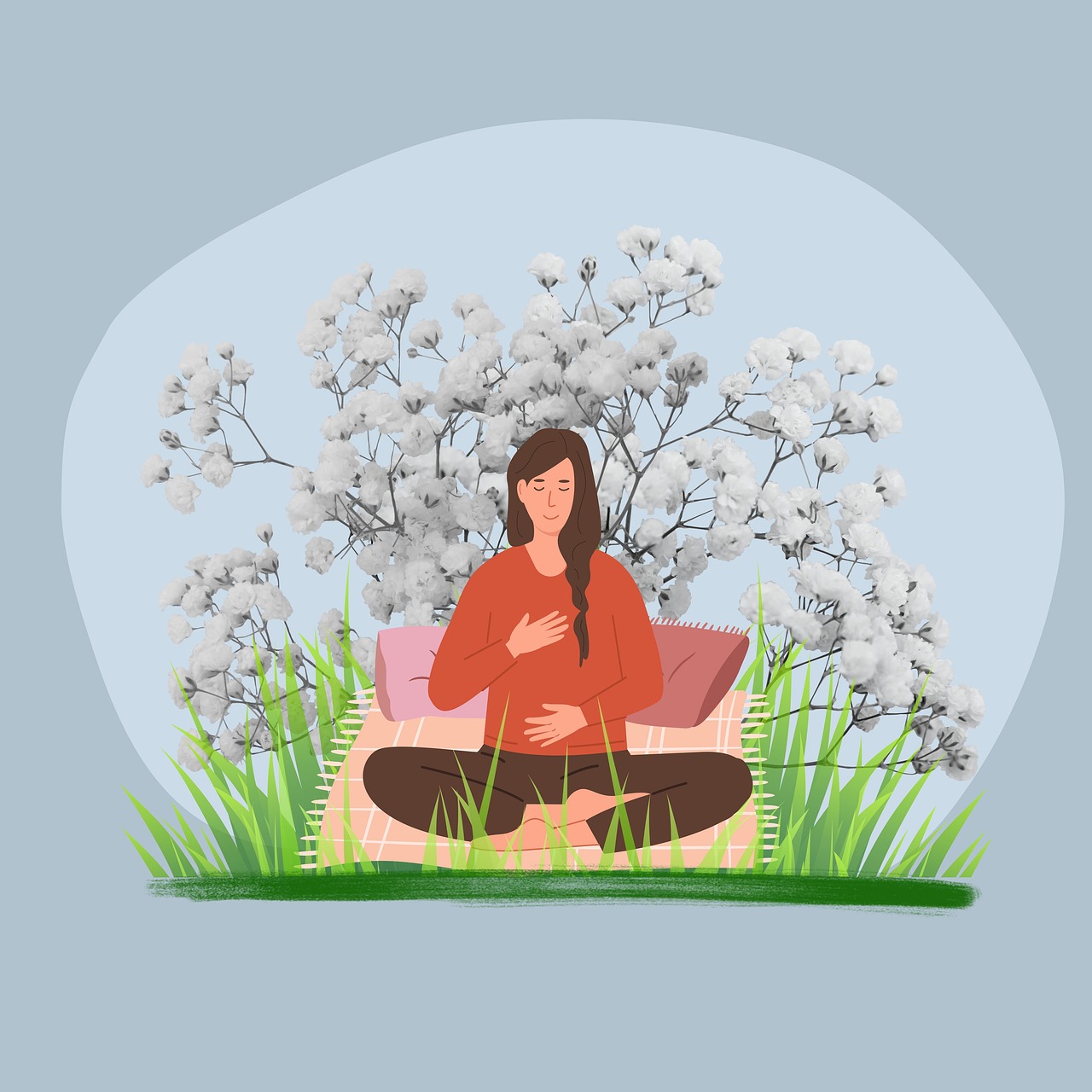
Understanding your body’s capacity for breath is vital in mastering Pilates breathing techniques. Focusing on diaphragmatic breathing can significantly improve your flexibility in every movement you perform. While preparing for your Pilates session, start by finding a comfortable seated or lying-down position. Allow your chest to remain open as you practice inhaling through your nose deeply and exhaling slowly through your mouth. This practice not only enhances oxygen delivery to the muscles but promotes relaxation throughout the body by encouraging an optimal contraction of the diaphragm. During stretches, make sure to maintain your breathing rhythm; inhale as you lengthen your muscles, and exhale while you stretch deeper into the position. Engaging in this method leads to more profound and effective stretches over time. Additionally, utilizing visualizations can help enhance your awareness of breath and movement. Picture your breath as a wave flowing in and out, guiding you through each exercise. This visualization can significantly improve your focus and mindfulness, which are essential components of Pilates philosophy. Commit to integrating these breathing practices regularly for noticeable improvements in flexibility and overall performance.
Connecting Breath to Movement
Linking breath to movement is a critical aspect of Pilates that unlocks deeper levels of flexibility. Each breath serves as a cue, reminding your body to engage or release specific muscle groups. Moreover, practicing controlled breathing helps prevent dizziness and allows for a smooth transition through exercises. Proper breathing techniques can also enhance mental focus, allowing you to clear out distractions and maintain concentration. During each exercise, inhale deeply as you prepare for the movement, and exhale during the exertion phase. This specific pairing reinforces stability within the core, essential for enhancing your flexibility. The profound connection of breath to movement fosters a supportive environment where muscles can adapt and stretch more efficiently. Furthermore, utilizing equipment like resistance bands during your practice can aid in maximizing the effects of your breath. Resistance bands encourage deeper engagement, promoting enhanced flexibility. Additionally, maintaining your breathing pattern while using the bands limits the risk of injury. As you begin to explore this deeper connection, it becomes clear that breath is not just supplemental but a core element of unlocking your body’s full potential.
Integrating consistent breathing techniques within your Pilates practice can greatly enrich your experience and outcomes. For example, when working on the Spine Stretch, focus on your breath to enhance the exercise effectiveness. Always inhale deeply before beginning the stretch, allowing for full support of the spine. As you exhale, consciously engage your abdominal muscles to initiate the forward bend. This not only promotes better posture but also stimulates flexibility in the spine and hamstrings. Over time, as awareness of your breathing develops, you’ll find that deeper stretches become more achievable. Additionally, practicing controlled breathing during intense movements fosters endurance and sustains flexibility gains achieved during more leisurely exercises. The key lies in cultivating a habit of mindful breathing. Consider setting aside a few minutes at the beginning of each session to focus solely on your breath. Deep and intentional breaths will help you establish a mind-body connection essential for Pilates. Consequently, this connection aids in identifying areas of tension or tightness that need attention. Each session, you’ll cultivate more awareness, leading to a continuous improvement in flexibility and overall physical health.
Incorporating breathing techniques into your Pilates sessions must be persistent for them to influence flexibility effectively. Regularly practicing these techniques develops a rhythm between breath and movement, which is essential for maximizing each exercise’s potential. For significant results, consider using imagery to reinforce your breathing patterns. Picture the breath as flowing into each muscle group you are working; visualize it filling your body completely before being released. By reinforcing this connection, you’ll create space for deeper stretches and prolonged holds. This can be transformative, especially in poses like the Saw or the Spine Twist, where flexibility is paramount. Coupling breath with visualization enhances not only flexibility but also strength and endurance as your body adapts more efficiently. Experimenting with different breathing patterns such as the “box breathing” technique can further refine your practice, improving your capacity for controlled breath during Pilates. Engage in this method where you equalize the length of each part of your breathing process: inhale, hold, exhale, and hold equal durations. By integrating these effective breathing strategies into your routine, overall flexibility and well-being will enhance significantly over time.
Conclusion
Interestingly, your commitment to mastering breath control in your Pilates practice can result in exponential improvements in flexibility. Aim to thoughtfully practice the breathing techniques discussed, and over time you will notice positive changes in your range of motion and overall performance. As your understanding deepens, consider journaling your progress, noting changes in flexibility, strength, and mental clarity over time. This practice can serve as motivation, encouraging you to maintain discipline in your Pilates sessions. Creating a personalized breathing routine based on sought-after outcomes can streamline your sessions. Additionally, attending group classes allows you to learn from experienced instructors who can provide guidance on perfecting your breathing techniques. You can continually refine your approach, ensuring your Pilates practice aligns with your evolving fitness goals. Return to these techniques consistently to merge body awareness with controlled breath, enhancing both physical ability and mental focus. Ultimately, this journey leads to a deeper connection with your body, enabling you to navigate through Pilates exercises with intention and ease. Embrace the transformative power of breath, and you will unlock a world of flexibility and strength.