
CrossFit Scaling Options for Athletes with Mobility Issues
CrossFit is known for its intense workouts, but athletes with mobility issues can still participate effectively by utilizing scaling options. Scaling is adjusting the workout to meet an athlete’s individual needs without compromising the intensity of the workout. For those with mobility difficulties, there are countless ways to adjust movements. It starts with identifying specific limitations and developing personalized strategies. Common scaling options may include modifying equipment, changing the movement range, or employing alternative exercises altogether. Awareness and communication with coaches are essential for success. They can provide valuable insights and adaptations tailored to specific needs. Many athletes with mobility challenges still achieve impressive results through focused training and adaptations. Functional movements are integral to CrossFit, and by using available scaling options, every athlete can continue to progress. As athletes begin to integrate these adaptations into their training, they’re typically relieved to find they are still able to push their limits. Overall, scaling options not only maintain the spirit of CrossFit but also promote healthy movement patterns tailored to individual capabilities. This approach fosters an inclusive atmosphere where athletes of all abilities can thrive together.
Identifying Mobility Issues
The first step in scaling CrossFit workouts is accurately identifying mobility issues. It’s crucial that athletes assess their own physical limits honestly. Each person may face unique challenges, whether they stem from previous injuries, surgeries, or developmental conditions. Professionals—such as physical therapists or certified coaches—can provide insights into these limitations and suggest suitable scaling options. This assessment should include evaluating range of motion, strength, flexibility, and endurance. Athletes can use this information to determine which movements need modification, implementing strategies and exercises that promote functional movement without pain. Once identified, athletes should focus on specific areas needing improvement through targeted mobility drills. With consistent practice, flexibility and strength may increase, often leading to more advanced movements down the line. It’s vital to remember that progress is individual; what works for one athlete may not work for another. Thus, they should remain adaptable, continuing to refine their strategy as their capability evolves. Regularly reassessing one’s mobility status allows athletes to adjust their scaling methods accordingly and helps maintain motivation to pursue their fitness goals while managing mobility issues effectively.
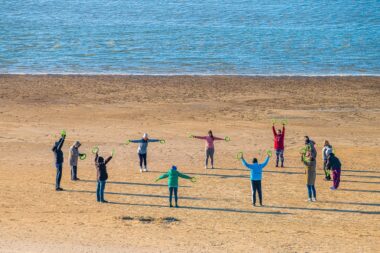
Warm-ups and cool-downs play an indispensable role in managing mobility issues within CrossFit workouts. An effective warm-up prepares the body for physical exertion, boosting heart rate, warming muscles, and enhancing range of motion. For athletes facing mobility challenges, warming up specifically for their needs helps increase blood flow to targeted areas while preventing injuries. Incorporating dynamic movements tailored to individual limitations is essential. Exercises like arm circles, leg swings, and torso twists can be beneficial. Post-workout cool-downs also aid recovery and mobility. Athletes can utilize foam rollers or stretching routines focusing on tight muscle groups. These practices help alleviate soreness while improving flexibility over time. A proper cool-down is critical, allowing the body to gradually return to a resting state. Static stretches targeting every major muscle group encourage greater flexibility while reducing the risk of future injuries. Consistency with warm-ups and cool-downs is pivotal for enhancing overall mobility and performance. Athletes may find significant improvements in their workouts and daily routines as flexibility increases. By prioritizing proper warm-up and cool-down techniques, they can safely participate in CrossFit while enjoying the numerous benefits of regular exercise.
Adaptive Equipment in Workouts
Adaptive equipment can significantly enhance the CrossFit experience for athletes with mobility issues. Equipment modifications help enable participation in various movements, ensuring that everyone can engage with the workout at their own level. Simple adjustments—like using lighter weights, incorporating resistance bands, or utilizing specialized gear—can create a more comfortable and safer experience. For example, using boxes for step-ups may allow athletes to elevate their limbs without straining, simplifying movements and maintaining workout effectiveness. Additionally, there are various tools designed specifically for those with limited mobility. These can include padded grips or modified handlebars for easier handling. Ramps or sloped surfaces can assist in transitioning smoothly between different exercises. Equipment setup may also focus on safety, providing secure anchor points and stabilization options to prevent falls or injuries during workouts. Coaches can offer recommendations on suitable equipment tailored to specific mobility concerns, optimizing training sessions. Ultimately, utilizing adaptive equipment may empower athletes to challenge themselves, pursue their goals, and engage fully with their CrossFit community. With the right tools, athletes can unlock unprecedented levels of achievement and confidence in their endeavors, regardless of their starting point.
Modifying specific movements in CrossFit workouts greatly benefits athletes who face mobility challenges. Movements commonly found in CrossFit, such as squats, push-ups, and jumping jacks, can be adjusted to ensure accessibility. For example, individuals with knee issues can perform air squats while using a box to limit depth, prioritizing proper form while reducing stress on the joints. Similarly, push-ups can be modified by performing them against a wall or on a raised surface, removing the need for full-body weight support. Athletes can also explore the use of knee-length or adaptive chairs for seated versions of various exercises, promoting safety and effectiveness. Additionally, variations of jumping jacks may involve lateral arm raises instead of full-body jumping, minimizing impact on the joints while still engaging the upper body. Focus on the quality of movement over quantity is essential, creating a robust fitness experience. Adaptations can make previously challenging movements accessible, helping athletes build strength and confidence progressively. Seeking guidance from knowledgeable coaches can yield proper adaptations, and ensuring all modifications maintain consistency with CrossFit fundamentals can enhance the effectiveness of workouts tailored for some mobility issues.
Progress Tracking for Mobility Improvements
Tracking progress is integral for athletes with mobility issues engaged in CrossFit. By documenting workouts, mobility improvements become readily visible over time. This tracking offers motivation for athletes to continue pursuing their health and wellness objectives, fostering a sense of accomplishment. Athletes can use various methods to monitor their progression, such as keeping workout journals, utilizing mobile applications, or participating in guided assessments offered by their coaches. Consistent tracking builds awareness of trends in performance, ultimately guiding further modifications needed for ongoing success. The key is to note not just the numbers—such as weight lifted or reps completed—but also how movements felt and any pain experienced during workouts. This holistic approach helps in recognizing patterns related to mobility improvements. Regular evaluations every few weeks or months are invaluable, allowing adjustments to be made in training routines as necessary. Celebrating achievements reinforces each athlete’s commitment to overcoming challenges posed by mobility issues. Over time, as strength, endurance, and confidence increase, athletes are likely to reach new levels previously thought unattainable. Their success inspires others within the CrossFit community, creating a supportive environment for everyone.
Nutrition and recovery also play essential roles for athletes with mobility issues participating in CrossFit. Proper nutrition fuels energy levels, enabling athletes to perform at their best during workouts. Emphasizing a balanced diet, rich in whole foods, contributes to overall health and improved performance. Essential nutrients like protein, healthy fats, and complex carbohydrates support both muscle recovery and growth. Pairing a nutrient-dense diet with adequate hydration is vital for maintaining energy during training sessions. Recovery incorporates rest periods, stretching, and practices like yoga or massage therapy. These strategies allow bodies to recover while enhancing mobility over time. As athletes progress, they may require more targeted nutritional strategies to accommodate different training phases, including high-intensity or recovery days. Consulting with a registered dietitian can provide individualized nutrition plans to enhance performance effectively. Athletes should prioritize listening to their bodies to understand when they need more rest or adjustments in diet and recovery strategies. By integrating effective nutrition and recovery practices, athletes can manage their mobility challenges more effectively, supporting not only their immediate performance but also their long-term health and well-being.
Community Support and Encouragement
Engaging with the CrossFit community provides invaluable support and encouragement for athletes with mobility issues. The atmosphere within CrossFit gyms typically fosters camaraderie, promoting collaboration and motivation among members. Sharing experiences and challenges with like-minded individuals encourages openness, helping athletes feel less isolated in their journeys. Finding workout partners or support groups can significantly enhance accountability and make workouts more enjoyable. Many CrossFit facilities prioritize inclusion, ensuring all members feel welcome and appreciated. By learning from fellow athletes about their adaptations, individuals can discover new strategies or modifications to integrate into their training. Coaches often engage in open discussions with athletes, allowing them to express concerns or seek advice on managing mobility issues. Workshops or classes focusing on adaptive training can also provide additional resources for improving mobility challenges. Celebrating achievements—big or small—within the community reinforces a sense of belonging. Emphasizing progress, regardless of the pace, encourages all athletes to strive for their goals. Continuous community support acts as a powerful motivator, fostering growth and resilience throughout each athlete’s CrossFit experience and reinforcing that overcoming challenges is always achievable.