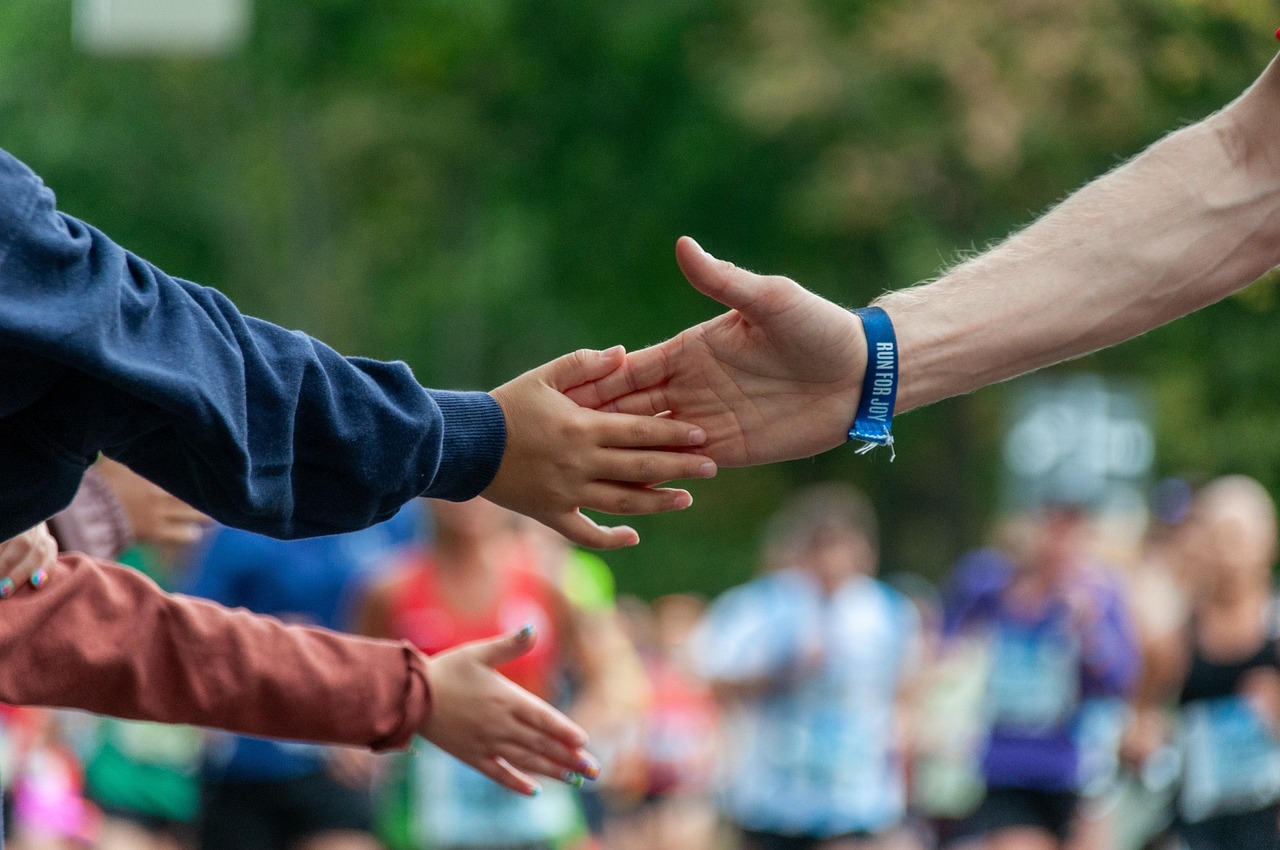

How Parents Can Support Their Young Marathon Athletes
Supporting a young athlete preparing for a marathon requires dedication and understanding from parents. Encouragement plays a crucial role in maintaining motivation during both training and competitions. Young athletes thrive when they feel supported and appreciated in their efforts. Parents should actively participate in their child’s training journey, helping them set goals and monitor their progress. Consistent praise can reinforce young athletes’ commitment and stamina as they embark on intense training schedules. Additionally, educating themselves about the marathon preparation process can enhance their ability to guide their children. Outdoor running paths, suitable gear, nutrition, and proper hydration should be discussed and explored together. Establishing a balanced routine between training, school, and leisure is essential to prevent burnout. Parents may also want to attend events, cheering them on and celebrating accomplishments, no matter how minor. Making these shared experiences can cultivate a sense of belonging and camaraderie. Promoting resilience through challenges can significantly contribute to their growth. With parenting involvement, young marathon participants can develop not only athletic skills but also life lessons that extend beyond the track.
Creating a Supportive Training Environment
Creating a supportive environment for young marathon athletes is vital for their success. This starts at home, where parents foster a positive atmosphere for training sessions. Establishing a designated area within and outside the house can help young athletes focus properly. Here, they can prepare gear, stretch, and get into the right mindset before running. Parents should encourage open communication about the training process, allowing young athletes to express their concerns and excitement. Regular check-ins about their feelings towards training can reveal valuable insights. Involving siblings in this journey can create a fun, friendly rivalry, enhancing motivation. Shared experiences can strengthen family bonds as well. Additionally, parents should pay attention to the nutrition aspect, providing healthy snacks and meals tailored for tough training days. A well-rounded diet packed with carbohydrates, proteins, and vitamins supports their physical needs while boosting their energy levels. Scheduling family outings like nature walks or casual runs can promote fitness as a core value. This approach will make running enjoyable rather than a chore, ensuring that the young athlete stays engaged and passionate about their training.
Understanding the physical demands of marathon training is essential for parents who wish to support their young athletes. It’s vital to grasp that young bodies are still growing and require careful attention during rigorous training. Parents should not compare their children’s performance with older or more seasoned athletes. Instead, they must appreciate individual progress and development. They can consult professionals, such as coaches or sports nutritionists, to gain insights into training schedules and dietary needs. Monitoring healthy development is crucial. Ensuring proper rest and recovery into training is as important as the training itself. Parents should create schedules that balance running with rest days to prevent fatigue or injuries. Young athletes may often be eager to push their limits, but parental guidance is vital in recognizing when to ease off. Understanding when to seek help for injuries is also necessary. This level of attentiveness helps prevent setbacks and lays the foundation for long-term athletic development. Overall, fostering an encouraging atmosphere where young athletes feel understood is essential during their marathon preparation throughout their training journey.
Setting Realistic Goals and Expectations
Parents must guide their young marathon athletes in setting realistic goals and expectations. Setting achievable goals helps to foster motivation and develop a strong work ethic. Open discussions about personal goals, whether distance-focused or performance-based, can enhance their determination and clarity regarding training. Encouraging young athletes to have small, incremental goals makes a long-term aim less overwhelming. For example, completing a certain distance can serve as a short-term target on their marathon journey. Parents should also highlight that setbacks are normal and should be embraced as learning experiences. This teaches resilience and adaptability, crucial traits in both sports and life. Sharing success stories, whether personal or from renowned athletes, can positively influence their perspective. Parents should remind their children that improvements may take time and are a part of their growth. Regularly reviewing goals can also enhance motivation—parents can celebrate milestones together. This recognition fosters a sense of accomplishment and reinforces their commitment to training. Showing support when goals are followed through, be it with rewards or family outings, makes every effort worthwhile and gratifying for every young athlete.
Navigating the emotional aspects of marathon training can be challenging for young athletes and their families. As parents, it’s essential to recognize the mental pressures young athletes might face during their rigorous training routines. Anxiety, excitement, and nervousness are common feelings that can arise, especially during competitions. Parents should provide reassurance and a sounding board for their young athletes to voice their anxieties. Actively listening to their feelings can help kids feel valued and understood. Implementing techniques such as breathing exercises, visualization, or motivational affirmations can assist with emotional regulation. Introducing activities like yoga can also enhance mental focus and adaptability. Establishing a pre-race ritual can infuse a sense of control and calm before events. Parents should also talk about the importance of balance—between training and relaxation is essential to avoid feelings of being overwhelmed. Additionally, initiating discussions about sportsmanship teaches important life lessons about both winning and losing gracefully. Young athletes should understand that the journey is as vital as the outcome, and parents can help emphasize that winning races isn’t the only measure of success.
Encouraging Social Connections Through Running
Encouraging social connections among young runners can enhance their marathon experience greatly. Running does not have to be a solitary activity; it can develop friendships and bonds through shared goals. Parents should explore local youth running clubs where their child can train alongside peers with similar interests. These clubs can provide a supportive community, fostering camaraderie, teamwork, and a sense of belonging. Participating in group runs, events, or competitions allows young athletes to connect and share experiences. These social interactions can motivate them further while reducing potential stress levels associated with individual goals. Parents should actively facilitate these connections, encouraging participation and attendance. Creating opportunities for group train-ups before competitions can also enhance team spirit and relationship-building. Considering family-friendly fun runs or volunteering at events can be excellent ways to promote social engagement. Parents should also encourage their children to invite friends to participate in running activities. Such shared experiences can motivate young athletes to train harder while allowing them to enjoy their passion for running collectively. This sense of community enhances their overall experience and nurtures lifelong friendships and bonds that can extend beyond running.
Overall, celebrating the journey of young marathon athletes is vital for their development. Parents play an essential role in recognizing and appreciating their efforts, regardless of the race outcome. Taking time after competitions to acknowledge personal achievements fosters self-confidence and encourages further training. This celebration does not solely revolve around placements; accomplishments can include overcoming challenges or reaching individual milestones. Parents can provide a wholesome perspective focusing on fun and growth rather than a singular emphasis on performance. Organizing small celebrations or recognition events, even in an informal setting, strengthens bonds and makes the experience fulfilling. Eventually, the approach parents take can make all the difference in shaping their young athlete’s outlook on running. Encouraging a love for running beyond just competition can lead to a healthier relationship with physical activity throughout life. These values teach them to pursue fitness joyfully, which is more sustainable in the long run. Parents have the power to nurture well-rounded, resilient, and dedicated individuals who understand the importance of consistency, teamwork, and celebrating every step in their journey as marathon runners.