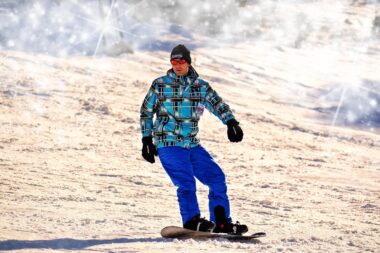

Preparing Your Body for Outdoor Snow and Winter Workouts
As winter approaches, engaging in outdoor workouts in the snow can be both exhilarating and challenging. Preparing your body properly ensures that you can enjoy these activities while minimizing the risk of injury. First, it’s essential to embrace a comprehensive warm-up routine that includes dynamic stretches. Activities such as high knees, leg swings, and shoulder rolls increase blood flow to your muscles. By enhancing your flexibility and range of motion, you can prepare your body for the rigorous demands of winter sports. Cold weather can lead to tight muscles, making warming up a crucial aspect of your workout. Moreover, proper hydration remains vital during winter months as well. Even if it’s cold, your body can lose fluids. Keep a water bottle handy and sip regularly. The goal of these preparations is to condition your muscles for varied terrains, ensuring a strong performance. To conclude, prioritizing a well-structured warm-up will set a solid foundation for your winter workouts. The season offers joys that promote physical health, and by preparing adequately, you can safely take advantage of them. Remember to listen to your body throughout the process.
Assessing your current fitness level is a fundamental step in preparing for winter outdoor workouts. Understanding your strengths, weaknesses, and physical limitations can help tailor your training. Construct a realistic workout plan by taking into account your existing routine and any snow-related activities you wish to participate in, such as skiing or snowshoeing. It is wise to include strength training exercises focusing on muscles affected by outdoor workouts. Targeting your core, legs, and upper body will significantly enhance your performance. Exercises like squats, lunges, and push-ups build stability, agility, and strength necessary for snow workouts. Furthermore, consider cross-training to build overall fitness. Activities like swimming or cycling can prevent monotony and help develop cardiovascular endurance. Snow workouts demand not only strength but also stamina. Consequently, incorporate interval training sessions into your routine to improve your responsiveness and speed. Regularly assessing your progress ensures that you stay motivated throughout the training period. Create goals that push you while still being achievable. By embracing a comprehensive fitness assessment, you can adequately prepare your body for the enjoyment and demands of winter outdoor adventures.
Nutrition: Fueling Your Body for Winter Workouts
Nutrition plays a vital role in preparing your body for outdoor workouts in snowy conditions. The food you consume directly influences your energy levels and recovery time during these physically demanding activities. Focus on a balanced diet that provides essential nutrients like carbohydrates, proteins, and healthy fats. Carbohydrates serve as your primary energy source during workouts, while proteins assist in muscle repair and growth. Incorporate whole grains, fruits, and vegetables into your meals for optimal benefits. Foods rich in omega-3 fatty acids, such as salmon or walnuts, can help reduce inflammation and improve joint health, which is crucial during winter activities. Additionally, staying hydrated remains important, even in colder weather. Opt for warm fluids like herbal teas or broths to maintain hydration levels effectively. Post-workout meals should include a blend of protein and carbohydrates to facilitate muscle recovery. An example could be a smoothie made of berries, spinach, and protein powder. By maintaining a nutrition plan that aligns with your fitness goals, you will have the necessary energy and nutrients needed to thrive in snowy outdoor environments.
Layering appropriately is essential for outdoor winter workouts. Wearing suitable clothing will protect you from harsh weather conditions while ensuring optimal body temperature regulation. Begin with a moisture-wicking base layer that fits snugly. This layer keeps sweat away from your skin, helping to maintain warmth. Next, add an insulating layer made of fleece or down to trap heat effectively. Finally, a breathable, waterproof outer layer is crucial to shield against wind, snow, and rain. Prioritize materials that allow for ventilation as well, to prevent overheating during intense workouts. Don’t forget to protect extremities too; wear gloves, a warm hat, and thermal socks to maintain circulation. Choosing the right footwear is vital as well; look for waterproof and insulated options that provide good traction on snow. Footwear designed specifically for winter workouts ensures safety and stability. Always remember to adjust your layers based on the specific intensity of your activity and the actual weather conditions. By layering correctly, you can fully enjoy your outdoor winter workouts without being hindered by the cold.
The Importance of Recovery After Workouts
Recovering adequately after outdoor winter workouts is as critical as preparation. Snow workouts can be demanding on your body, which makes proper recovery essential to prevent injury and fatigue. Begin your recovery process with gentle stretching to relieve muscle tension and enhance flexibility. This step is often overlooked but significantly improves healing and prepares your muscles for future activities. Hydration remains essential during recovery, as it helps reduce soreness and replenish lost fluids. Consider consuming a balanced post-workout meal or snack within 30 minutes of completing your training. This meal should ideally have a ratio of carbohydrates to protein to optimize recovery. Aim for quick-digesting options like a banana with nut butter or a protein shake. Additionally, sufficient rest plays a vital role in the recovery process. Ensure you get adequate sleep to allow your body to repair itself. Consider incorporating rest days to let your muscles recuperate effectively. By making recovery a priority, you’ll be better equipped for your next outdoor winter workout and will maintain a consistent, enjoyable training regimen.
Mental preparation can enhance your performance during winter outdoor workouts. Snowy conditions can sometimes create a psychological barrier, leading to hesitation or fear, especially in inexperienced participants. Adopt a positive mindset by setting realistic expectations and visualizing success in your activities. Utilize mental strategies such as mindfulness and deep breathing to reduce anxiety and boost focus. Before venturing outdoors, practice visualization techniques by imagining yourself successfully completing your workout, overcoming challenges, and enjoying the experience. Learn to embrace the cold weather, viewing it as an opportunity to experience unique fitness benefits. Surround yourself with supportive individuals who motivate you to achieve your goals and provide encouragement during tough moments. This social aspect can significantly improve your enthusiasm for outdoor workouts. Joining winter workout groups or classes can establish a sense of community, making exercising in colder weather more enjoyable. Comfortable surroundings can help cultivate positive feelings about your winter experiences. By developing a strong mental approach, you will find that the joys of snow workouts become increasingly accessible, leading to sustained motivation throughout the winter season.
Safety Precautions During Winter Workouts
Ensuring safety while engaging in outdoor snow workouts is paramount to avoid accidents or injuries. Start by selecting appropriate locations for your activities, ensuring the area is safe and clear of hazards, such as ice patches or deep snow. If you’re venturing out alone, inform someone about your planned route and expected return time. Navigating unfamiliar terrain can be challenging during winter months, so choose well-known trails whenever possible. Moreover, carry necessary survival gear such as a whistle, first aid kit, or even spare clothing in case of emergency situations. When engaging in activities like skiing or snowboarding, always wear protective gear like helmets and situate yourself in a skill-appropriate area. Pay attention to weather forecasts before heading out; be prepared to adjust plans depending on conditions. If you experience unusual fatigue, lethargy, or cold-related symptoms, listen to your body and take breaks as needed. Adapt your workout intensity to suit changing environmental factors. By implementing these safety precautions, you can enjoy your winter outdoor workouts while remaining safe throughout your physical pursuits.
In conclusion, preparing your body for outdoor snow and winter workouts encompasses several essential facets, including warm-up routines, nutrition, layering, recovery, mental readiness, and safety. By focusing on these areas, you can create a comprehensive strategy that maximizes enjoyment and minimizes risks during winter activities. Start with a dynamic warm-up and gradually build your fitness through assessments tailored to snowy terrains. Additionally, fuel your body with a balanced diet, emphasizing hydration and nutrition. Layering appropriately will ensure comfort and safety, while recovery practices will enhance your overall performance. Don’t neglect mental preparation and the power of positive visualization as you engage in winter sports. Lastly, remember safety precautions to create enjoyable experiences throughout the season. Understanding these elements will allow you not only to enjoy outdoor workouts in snow but also to thrive in wintry environments, creating memorable experiences. As you embrace the cold weather, remember to enjoy the process and celebrate your progress. Outdoor workouts in winter can bring unique challenges, but they also offer immense rewards, including improved fitness, well-being, and exhilaration from embracing nature in its beauty.