
Peer Support and Mind-Body Practices: Creating a Holistic Recovery Community
In the journey of addiction recovery, the mind-body connection plays a crucial role. Many individuals struggle with the psychological aspects of addiction, making them more vulnerable to relapse. Through peer support groups and mind-body practices, a holistic approach can cultivate a nurturing environment for recovery. Peer support fosters a sense of community, offering emotional understanding and accountability. Additionally, combining this with mind-body practices such as mindfulness, yoga, and meditation allows individuals to explore both their emotional challenges and physical manifestations connected to addiction. Unique techniques, including breathwork and guided imagery, can enhance self-awareness and promote healing. In essence, the synergy of peer support and mind-body practices works synergistically to create a supportive atmosphere for those recovering from addiction. Developing a toolbox of coping strategies helps individuals manage cravings, alleviate stress, and promote overall well-being. The focus is on understanding the complete individual rather than merely addressing their addiction, laying the groundwork for lasting change and a fulfilling life post-recovery. Together, peer support and mind-body practices can significantly impact recovery outcomes.
The effectiveness of peer support in addressing addiction recovery is well-documented. Many programs emphasize building strong connections among participants, creating a network of shared experiences. By fostering trust and understanding, individuals can feel comfortable sharing their journeys, helping to dismantle feelings of isolation. Trust becomes a cornerstone, allowing members to express their feelings openly without fear of judgment. While peer support offers an invaluable emotional component, integrating mind-body practices can enhance this support significantly. Techniques like yoga promote not only physical well-being but also emotional release, creating pathways for healing. Participants often discover new coping mechanisms that assist in dealing with triggers and stressors associated with recovery. Moreover, engaging in these practices can help participants reconnect with their bodies in a positive way, fostering a sense of empowerment. Individual growth occurs within this supportive space, often resulting in improved self-esteem and motivation. The combination of peer support and mind-body approaches serves as a model for a transformative recovery experience. Ultimately, this dual approach aims at not just overcoming addiction but fostering a thriving life afterward.
Mindfulness and Meditation in Recovery
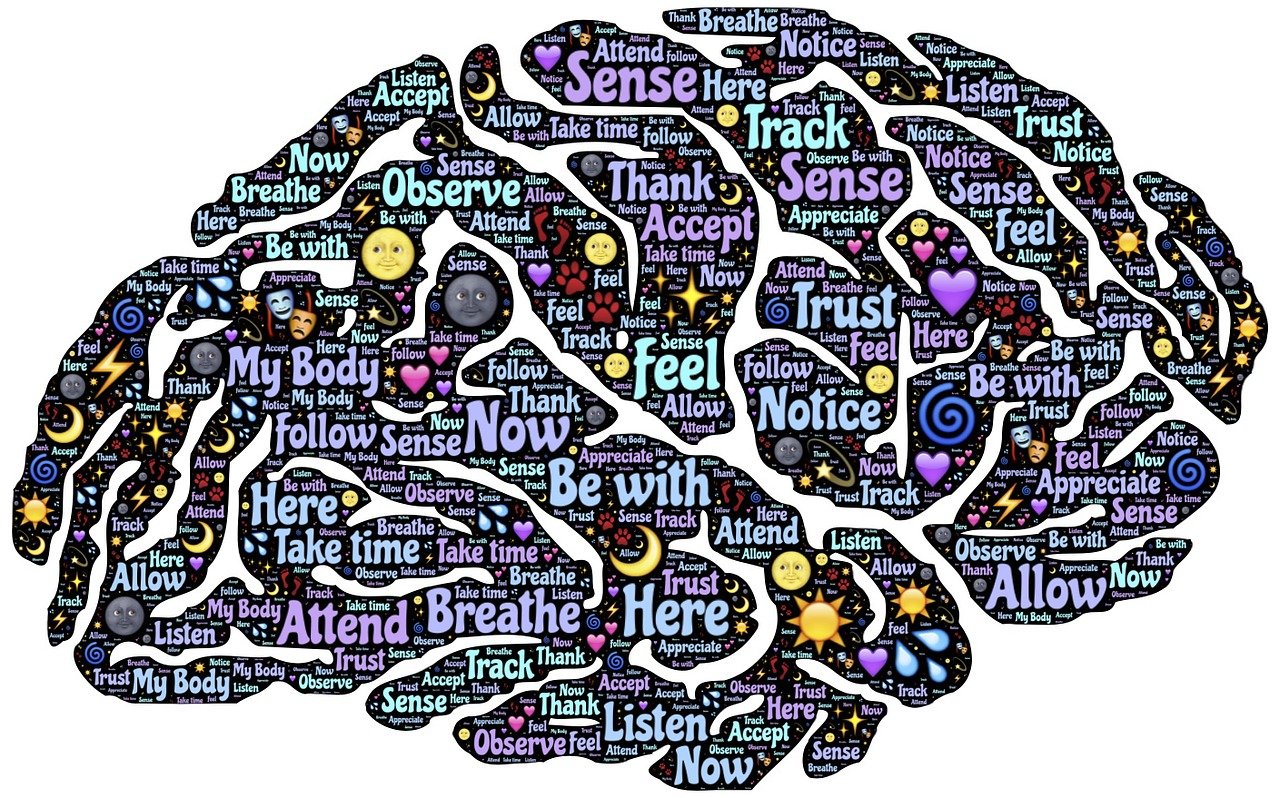
Mindfulness and meditation are powerful tools in supporting individuals recovering from addiction. These techniques encourage awareness of the present moment, allowing individuals to develop a greater understanding of their thoughts, feelings, and bodily sensations. By practicing mindfulness, individuals can identify triggers without reacting impulsively, making it easier to manage cravings. During meditation, they can cultivate a sense of calm and emotional stability, which is often lost during an addiction. The consistent practice of mindfulness or meditation can lead to neural changes in the brain that support recovery. Many peer support groups incorporate these techniques into their sessions, demonstrating their commitment to holistic healing. This integration aids participants in cultivating compassion towards themselves and others, a critical factor in recovery. Furthermore, a mindful approach helps create connections among members, enhancing the peer support experience. Participants may share moments of mindfulness or guided meditations, reinforcing their commitment to recovery. As they share their experiences, participants build camaraderie, increasing their resilience. Therefore, mindfulness and meditation become vital components in forming a sustainable recovery path.
Besides mindfulness and meditation, various body-centered therapies also play an essential role in recovery. Techniques like yoga and tai chi connect mental and physical aspects, encouraging balance and harmony. These practices develop not only physical strength but also emotional resilience, allowing participants to navigate the challenges of addiction recovery better. Yoga, in particular, encourages individuals to be present in their bodies, helping to alleviate symptoms of anxiety and depression that often accompany addiction. Strengthening physical health reinforces self-esteem, essential for maintaining sobriety. Additionally, body-centered therapies foster social connections among participants. During shared yoga or tai chi classes, members can encourage each other and bond over their commitment to holistic health. Such interactions stimulate a strong sense of community, crucial in recovering from addiction. By engaging in group practice, individuals gain social support, lessening the risk of isolation. Ultimately, these body-centered therapies contribute to developing a well-rounded recovery process, combining emotional and physical healing in a collaborative environment. Incorporating them alongside peer support creates an atmosphere conducive to long-term growth.
Nourishment and the Body-Mind Connection
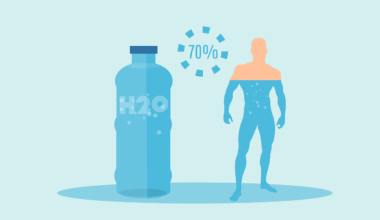
Nourishing the body is an integral part of the mind-body connection in recovery. Nutrition plays a vital role in restoring physical and mental health, especially for individuals overcoming addiction. Investing in whole foods, hydration, and balanced meals can enhance overall well-being and cognitive function. Many individuals in recovery often overlook their dietary habits, focusing primarily on emotional or social aspects of healing. However, incorporating nutritional education into peer support groups can empower individuals to make healthier choices. Discussions can cover essential nutrients that support brain health, essential for overcoming dependency on substances. A well-nourished body supports optimal brain function and significantly impacts mood and energy levels. Additionally, preparing meals together fosters a sense of communication and teamwork among groups, enhancing peer bonding. Cooking classes or group meal prep can serve as an avenue for creative expression, further strengthening community ties. Emphasizing nourishment within the framework of recovery underscores the connection between our physical health and mental state. Ultimately, addressing nutrition is a critical step toward achieving lasting recovery and improved quality of life for individuals.
Creating a lasting recovery community requires consistent effort and open minds. An inclusive approach amplifies the benefits of peer support and mind-body practices, bringing together diverse techniques suited for various individuals. Workshops focusing on alternative therapies and holistic methods attract different participants, broadening the healing spectrum. Activities such as art therapy, journaling, and nature walks can complement existing mind-body practices, offering new avenues for self-discovery and healing. Engaging community members in the development of these programs fosters a sense of ownership and accountability. As individuals actively participate in shaping their recovery journeys, they gain valuable insights into their needs. This collaborative approach creates a shared vision focused on healing and growth. Moreover, such environments help to break down the stigma surrounding addiction, demonstrating the possibility of recovery. Through collective experiences and shared vulnerability, individuals can inspire one another to strive for change. Building this holistic community platform encourages long-term commitment to recovery that extends past initial milestones. Ultimately, fostering connections through shared mind-body practices and support networks leads to a sustainable recovery movement.
Moving Forward Together
In conclusion, incorporating peer support and mind-body practices creates a robust foundation for holistic recovery communities. These methods not only combat the isolation often experienced during addiction recovery but also strengthen the mind-body connection, enhancing overall well-being. By embracing a comprehensive approach to healing, individuals can better manage their recovery journeys and learn valuable skills for lasting success. This dual focus empowers participants to connect and heal in meaningful ways, fostering a tribe of support. As individuals witness the positive benefits of peer support and holistic practices, they become advocates for a healthier lifestyle. Communities that prioritize inclusivity and shared growth become catalysts for change in their environments. Therefore, integrating diverse practices fosters a complete wellness approach, emphasizing the importance of every individual’s journey. Ultimately, a holistic recovery connects body, mind, and spirit, paving the way for fulfilling lifestyles beyond addiction. By nurturing these connections and engaging in supportive networks, each person can contribute to a larger movement toward sustainable recovery, ensuring nobody walks alone on their path to healing.
As we move forward in fostering these essential community ties, continuous learning and development become imperative. Workshops and ongoing training sessions can facilitate these objectives, ensuring that individuals are equipped with the most effective tools. By prioritizing shared learning, individuals can enrich their recovery experiences and deepen their connection to themselves and others. This emphasis on education mirrors the spirit of recovery, with participants fully embracing the journey. Moreover, integrating feedback mechanisms into community structures allows for adaptive changes in programs, ensuring their relevance and effectiveness. Built-in evaluations can help communities identify areas needing enhancement and implement adjustments to meet participants’ needs. This feedback retains the focus on growth and evolution, essential components of recovery. The ongoing dialogue strengthens bonds among members, creating a stable foundation for shared recovery experiences. Thoughtful engagement and ongoing development ensure that peer support remains dynamic, evolving as new practices emerge. The community journey is about every individual contributing to each other’s success, creating a vibrant, resilient network. In this way, the community thrives, emphasizing the belief that together, recovery is both possible and enriched.