
Importance of Breakfast as a Pre-Workout Meal for Teen Athletes
For teen athletes, breakfast holds exceptional importance as a pre-workout meal, serving to deliver essential nutrients and energy. This meal sets the tone for both training and performance, providing necessary carbohydrates, proteins, and fats. A balanced breakfast improves focus and stamina during workouts. Key components include whole grains, lean proteins, and healthy fats, which aid in sustained energy release. Foods such as oatmeal, Greek yogurt, and fruit are excellent choices. Furthermore, adolescents often have distinct dietary needs, as they are still growing. Adequate nutrition before exercise promotes muscle development and overall growth. Teen athletes may experience better performance metrics when fuelled correctly. Consuming breakfast also helps maintain healthy weight levels, which is crucial for optimal athletic engagement. When athletes skip breakfast, they may encounter fatigue and decreased motivation. Accurate timing matters; consuming breakfast approximately 30 to 60 minutes before exercise is ideal. This timing allows for digestion, enabling athletes to benefit from the meal’s effects. In conclusion, prioritizing breakfast is indispensable for teen athletes aiming for peak performance and lasting energy in competitive scenarios.
Choosing the Right Breakfast Foods
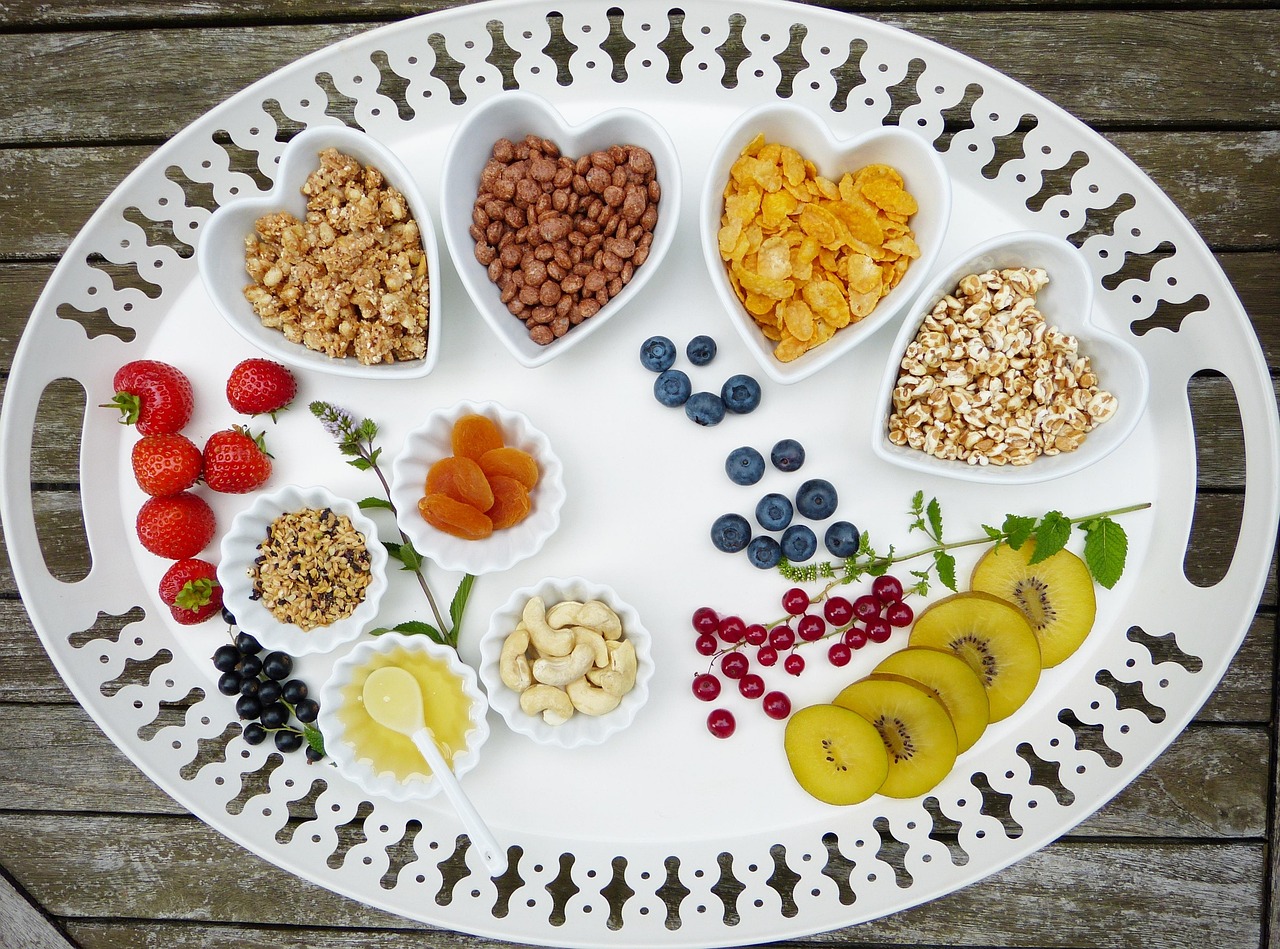
Identifying suitable breakfast foods enhances the pre-workout experience for teen athletes. A practical breakfast should offer carbohydrates for immediate energy and protein for muscle support. A combination of these macronutrients optimally fuels activity. Whole grain toast, for instance, can kickstart energy levels when paired with nut butter or an egg. Additionally, fruits like bananas and berries provide essential vitamins while being easy to digest. Smoothies can also be an excellent choice, blending leafy greens with protein powder for a nutritious intake. Teen athletes should focus on nutrient-dense options rather than sugary cereals, which can lead to energy crashes. Selecting foods rich in fiber keeps athletes satisfied and aids digestive health. An ideal breakfast should consist of readily available ingredients and quick preparation times, considering busy morning schedules. Quick sources of protein from dairy, such as milk or cheese, can enhance the quality of the meal. Hydration is also a vital component; pairing breakfast with water or milk promotes recovery. Ultimately, incorporating a variety of food choices ensures well-rounded nutrition that can elevate performance levels. Athletes should experiment with options to identify what works best for them.
Breakfast timing is crucial for teen athletes looking to maximize their performance. Ideally, consuming a meal two to three hours before exercising ensures that food has time to digest properly. If time is limited, a smaller snack can be beneficial. Focusing on easily digestible options allows for energy without discomfort during workouts. For athletes who engage in early morning training, preparing breakfast the night before can create a stress-free morning. Overnight oats, for example, make for an excellent choice that requires minimal preparation while delivering essential nutrients. It’s important to experiment and find optimal timing and food combinations so that athletes can establish a routine that suits their specific needs. Younger athletes might feel uncertain about what works best, so consultation with a coach or nutritionist can provide tailored advice. Teen athletes’ schedules often require balancing school and sports; hence, establishing a consistent pre-workout protocol enhances overall discipline. Hydration should be integrated into this routine; drinking water prior to workouts boosts performance levels significantly. By developing healthy habits surrounding breakfast timing, teen athletes can promote long-term athletic success.
Understanding Carbohydrates and Their Role
Carbohydrates play a pivotal role in fueling performance for teen athletes participating in various sports. They’re the body’s primary energy source during high-intensity exercise. Consuming sufficient carbohydrates before workouts can aid in optimizing stamina and endurance. Emphasizing complex carbs, such as whole grains, provides a slow and steady release of energy. Simple carbohydrates, like fruits, can immediately boost energy levels as well. Balancing different carbohydrate sources in a pre-workout meal makes it easier for young athletes to sustain performance throughout their training sessions. Understanding the carbohydrate’s role helps athletes make informed nutritional decisions. Additionally, teenage athletes often underestimate the importance of carbs in their diets. Incorporating sources of protein alongside carbohydrates further supports muscle recovery while sustaining energy levels. Meals aimed at young athletes should be designed to maximize carbohydrate intake within daily nutritional guidelines. When carb intake is adequate, athletes often experience improved focus and quicker reaction times. This means their physical performance becomes more efficient and effective. It’s essential for athletes to track their carbohydrate intake reasonably. Ultimately, understanding the significance of carbohydrates is vital for enhancing both performance and overall fitness.
In addition to carbohydrates, protein must not be overlooked in the pre-workout nutrition regimen. For teen athletes, protein aids in muscle repair and growth after strenuous physical activity. By including a sufficient amount of protein at breakfast, young athletes can enhance their recovery process and boost performance. Foods such as eggs, Greek yogurt, or protein shakes are excellent options for packing in these important nutrients. Consistently consuming adequate protein supports muscular development, particularly essential during adolescence when growth spurts occur. Protein consumption before workouts can also help prevent muscle breakdown. While many might focus solely on carbohydrates pre-exercise, it’s essential to achieve a well-rounded meal combining the two macronutrients. Combining protein with carbohydrates in meals greatly amplifies the body’s ability to mobilize energy stores effectively. Moreover, dissemination of nutrition knowledge around protein intake can contribute significantly to improved performance metrics. For this reason, engaging with trained sports nutrition professionals provides young athletes with personalized insights. Effective planning is crucial; utilizing protein-rich foods with healthy fats ensures athletes are kick-starting their days right. Adopting these practices can lead to increased athletic proficiency over time.
The Role of Healthy Fats in Breakfast
Healthy fats, although often underappreciated in the context of pre-workout nutrition, are vital for teen athletes. Including sources of healthy fats in breakfast can aid in digestion, enhance nutrient absorption, and provide sustained energy. Foods rich in omega-3 fatty acids, such as avocados and nuts, offer impressive health benefits while maintaining energy levels. These fats play a crucial role in hormone production and cellular membrane function. When themselves pre-fuelled with essential fats, athletes can experience enhanced performance and improved energy balance. Moreover, healthy fats contribute to feelings of satisfaction, preventing hunger during training. While fats should not be the main focus pre-workout, they serve to complement the prioritized carbohydrates and proteins. Understanding the significance of including fats into a balanced breakfast reinforces the concept of holistic nutrition among teen athletes. Meals should be crafted with components that work synergistically to support performance. Eating a breakfast with healthy fats can aid the body in achieving optimal physical performance while sustaining energy levels throughout workouts. Thus, including good sources of fats should be viewed as part of a comprehensive and health-conscious approach to nutrition.
Finally, teen athletes must recognize that nutrition is an individual journey. Each young athlete has unique needs that can be shaped by sport type, personal preferences, and dietary restrictions. Therefore, it is critical to remain flexible, experimenting with different breakfast combinations to discover what enhances performance best. Engaging in meal prep can facilitate a smoother routine while ensuring that high-quality nutrition is consistently available. It’s recommended to keep a food diary to track how specific pre-workout meals affect performance, helping refine choices over time. Assisting teens in building a positive relationship with food provides the foundation for lifelong health and performance. Moreover, sharing experiences and strategies with peers can help create a supportive community centered on nutrition awareness. Schools and sports programs can also encourage nutrition education, empowering athletes with knowledge and skills. To conclude, fostering strong nutritional awareness will prepare young athletes for a lifetime of success, both on and off the field. Ultimately, a focus on pre-workout nutrition, beginning with breakfast, is pivotal for unlocking each teen athlete’s potential and nurturing their passion for sports.
In summary, breakfast significantly impacts teen athletes’ pre-workout nutrition and performance. A balanced, nutritious breakfast designed thoughtfully can enhance focus, endurance, and overall athletic capability. This strategy should focus on incorporating carbohydrates, proteins, and healthy fats in the morning meal. Understanding nutrient requirements serves as a vital foundation for fostering athletic success. Timeliness of meals should be prioritized, allowing the body ample time to digest food, while hydration remains equally crucial for optimal performance. In recognizing the integral role of breakfast, coaches, parents, and athletes themselves should work together to create adaptive meal plans tailored to individual needs. Healthy breakfast habits not only influence performance but also establish sustainable eating patterns that can carry over into adulthood. By emphasizing the importance of a well-structured breakfast, teen athletes can develop lifelong skills to combat poor nutritional choices, ultimately enhancing their physical and mental capabilities. It takes an integrated approach to ensure young athletes are properly nourished to face physical challenges in their sports endeavors. Thus, making breakfast a priority is essential for developing well-rounded, healthy athletes who can thrive both in training and competition.