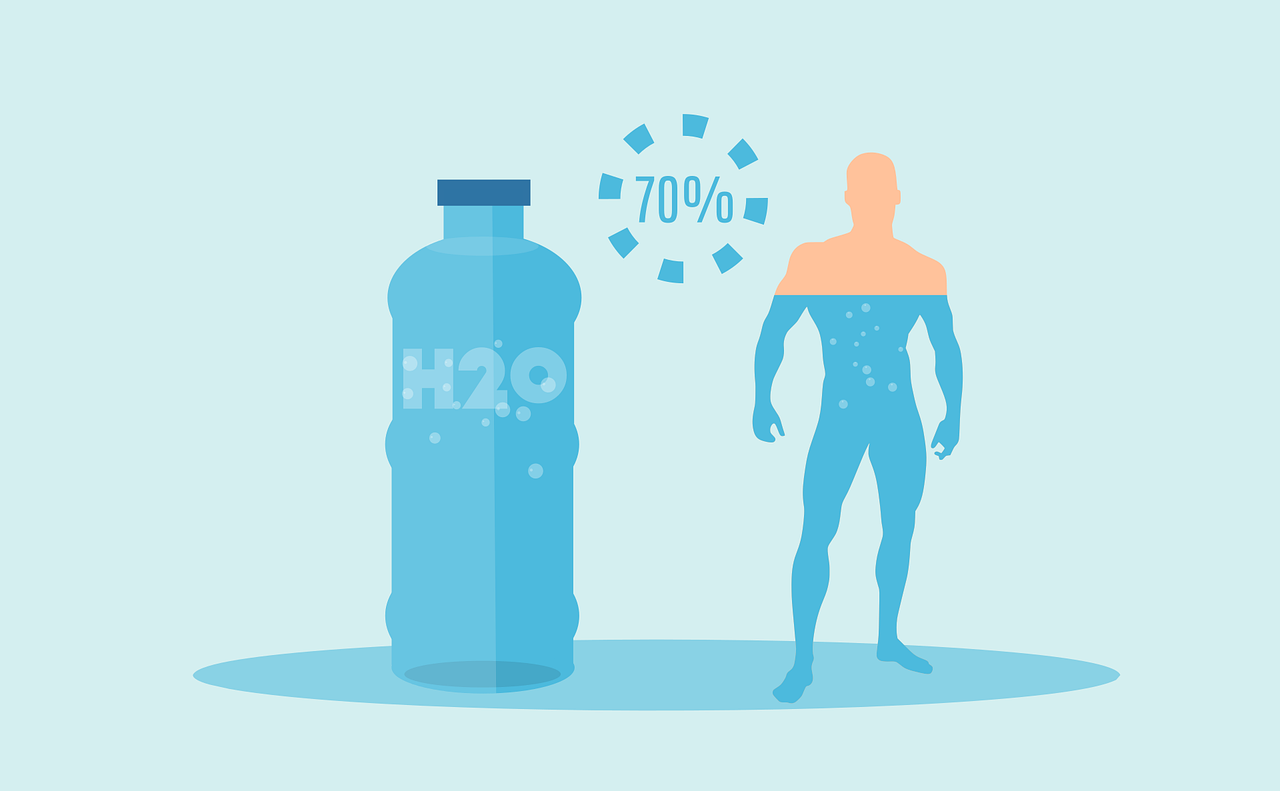

The Influence of Hydration Levels on Body Composition Measurements
Hydration plays a crucial role in accurately assessing body composition. Body composition analysis typically involves determining fat mass, lean mass, and water content. When hydration levels fluctuate, they can significantly affect measurements made via various methods such as bioelectrical impedance analysis (BIA) and dual-energy X-ray absorptiometry (DXA). Accurate hydration is essential for ensuring the reliability of body composition data. Without proper hydration, results may lead to misinterpretation of an individual’s health. For instance, dehydration may present a higher body fat percentage due to reduced water weight influencing the overall composition readings. In contrast, overhydration may yield falsely low body fat percentages. Addressing the impact of hydration during assessments is vital. By contacting professionals who specialize in hydration management and optimizing pre-test hydration protocols, individuals can enhance the accuracy of their body composition analysis. Awareness of these factors facilitates informed decisions for health and fitness enthusiasts. Regular monitoring further helps track changes effectively, promoting greater accountability in health management. Understanding the influence of hydration on body composition measurements can ultimately drive more effective health strategies and lifestyle decisions.
The significance of hydration in body composition measurements cannot be overstated. As society becomes increasingly health-conscious, understanding how varying water levels affect readings becomes paramount. Each method of analysis has its sensitivity to hydration fluctuations; BIA is especially affected due to its reliance on electrical conductivity of body fluids. High hydration levels can skew results towards a leaner body composition, inaccurately portraying an individual’s fitness or weight management status. On the other hand, when individuals fail to adequately rehydrate after intense workouts or during dieting, their body composition results may not reflect true changes over time. It’s crucial for fitness professionals to educate clients on pre-evaluation hydration. Proper guidelines on water intake, such as drinking specified amounts prior to testing, can mitigate inaccuracies. Additionally, recognizing hydration status through simple fitness assessments is beneficial. Monitoring before testing offers data points that help display an accurate picture of one’s body composition. In summary, ensuring that individuals adhere to specific hydration protocols can lead to more effective fitness, nutrition strategies, and progress tracking alongside improved outcomes. Accurate assessments yield empowerment through informed knowledge and practical adjustments in personal health practices.
One of the most common methods of body composition assessment is bioelectrical impedance analysis (BIA), and hydration directly influences its accuracy. BIA measures resistance to electrical flow through the body, which fluctuates based on water content. A dehydration state results in increased resistance, thus inflating body fat estimates. This confusion can lead to misguided fitness routines and improper nutritional guidelines. For optimal results, individuals need to ensure they are well-hydrated prior to performing BIA tests. Engaging with reputable fitness centers or health professionals can help furnish individuals with strategies to maintain hydration. Tailoring hydration plans around exercise schedules, dietary practices, and lifestyle changes will create adaptive approaches to support accurate assessments. To prepare for BIA testing, professionals may suggest consuming ample fluids over a specific timeframe. Thus, an ingredient of success lies in education about how hydration interacts with the body’s composition. Proper hydration strategies, implemented consistently, enhance the validity of BIA testing. With accurate readings, individuals can derive correct insights into their body composition, enabling constructive comparisons and adjustments leading to tailored fitness plans. Knowledge about hydration’s influence inspires participation in informed fitness journeys, ushering in long-term health and wellness.
With advancements in technology, the prevalence of specific devices allows personalized tracking of body composition through apps and wearables. Many of these modern devices utilize BIA algorithms, thus reinforcing the need for hydration awareness across their usage. Users must recognize that these devices depend upon accurate hydration levels for meaningful results. This acknowledgement allows individuals to approach their body composition monitoring with mindfulness leading to long-lasting habit changes. Ensuring dependable hydration supports the functionality of devices, which can result in misleading readings otherwise. For instance, smart scales may falsely indicate weight loss or muscle gain, leading to confusion and frustration. Therefore, integrating hydration habits into training schedules can improve the reliability of these measurements. Health education resources can facilitate correct hydration knowledge. Users should familiarize themselves with how to optimize hydration levels corresponding to their routines. Support from fitness coaches or nutritionists therefore enhances adherence, particularly in environments where personalized assessments are paramount. Engaging with specialists highlights the connection between hydration and accuracy of body composition measurements, bridging gaps between technology and human performance. Ultimately, individuals must foster understanding surrounding hydration’s impact for a comprehensive approach in their health endeavors.
The Role of Nutrition in Maintaining Hydration
Nutrition plays a significant role in maintaining proper hydration levels, which in turn affects body composition analysis. A well-balanced diet that includes water-rich foods contributes to optimal hydration. Fruits and vegetables like watermelon, cucumber, and oranges provide essential hydration, improving individuals’ overall fluid status. Additionally, electrolytes present in food and drinks help retain fluids, making hydration more effective. When evaluating body composition, professionals should consider an individual’s dietary practices surrounding hydration. Ensuring dietary habits are aligned with hydration needs supports better outcomes in body composition assessments. The balance of macronutrients and micronutrients in daily intake promotes effective fluid retention and minimizes deficiencies. Adjusting meal plans to include hydrating foods can enhance the results of body composition methods, like BIA and DXA. Individuals can also improve their hydration status through strategic scheduling of meals around workouts and assessments. This adherence to hydration-focused nutrition not only benefits body composition but also boosts overall health and metabolic functions. Ultimately, nutritional adjustments reinforce the importance of combining hydration practices with dietary education. Understanding these correlations can motivate individuals to adopt healthier eating strategies that promote accurate body composition readings.
Hydration isn’t merely about water consumption; it’s about timing, composition, and awareness, particularly in relation to body composition assessments. Pre-test hydration protocols should involve systematic fluid intake leading up to body composition measurements to optimize accuracy. However, post-test hydration strategies are equally important. Individuals often overlook rehydration after vigorous training or body composition assessments. This oversight negatively impacts recovery and may distort future analysis results. Experts recommend consuming fluids immediately following physical activity or testing sessions. Doing so replenishes bodily fluids and optimizes future assessments while preventing dehydration consequences. Implementing effective post-test hydration ensures an accurate representation of body composition and promotes an overall healthy lifestyle. Furthermore, education about recognizing signs of dehydration is vital for achieving optimal hydration status. By advocating for regular assessments of hydration levels, individuals are empowered to monitor their health actively. Encouragement from fitness professionals increases awareness, helping clients understand the vital connection between hydration, body composition, and health. Consequently, timely hydration practices can lead to sustainable changes over time, ultimately supporting long-term fitness goals and enhance performance strategies.
Conclusion: Embracing Hydration for Better Body Composition
In conclusion, hydration greatly affects body composition measurements, emphasizing the importance of understanding its impact on analysis results. This knowledge allows individuals to cultivate personal responsibility around hydration practices and foster greater accountability. Implementing effective pre- and post-testing hydration protocols ensures that their assessments yield accurate outcomes, reflective of true body composition. Practitioners should prioritize education and assessment practices that align hydration strategies with their clients’ needs. Developing customized hydration plans further enhances the reliability of body composition measurements. Furthermore, knowledge about the intricate relationship between hydration and body composition empowers clients in their health journeys, ultimately leading to better decision-making and improved lifestyle choices. To support this journey, resources are available through fitness professionals who can provide research-based information. In tandem with sound nutrition, embracing hydration practices allows individuals to attain their desired body composition while promoting overall health. The fusion of hydration management and body composition analysis ensures that each assessment represents reality. Therefore, commitment to hydration not only leads to greater accuracy but also facilitates the achievement of health and wellness objectives across the board.
Here are some practical steps that individuals can adopt to enhance hydration for better body composition assessments: consider adopting a hydration tracking app to monitor daily fluid intake, like WaterMinder. Additionally, set reminders throughout the day to encourage more frequent fluid intake. Equally important is personalizing fluid sources, such as incorporating herbal teas or electrolyte beverages that can optimize hydration absorption. Ultimately consistency becomes key; individuals should develop daily habits to ensure optimal hydration. Whether during training or in rest periods, hydration should be prioritized. The outcome of improved hydration can positively impact body composition measurements, making them a reliable tool for encouraging progress and development. By fostering this commitment to hydration management, individuals can enhance their overall health journey, leading towards achieving fitness objectives with personal accountability and informed strategies that yield actual results. Thus, every advocate for hydration will benefit from understanding its fundamental connection with body composition assessments, inspiring those around them to join in on their journey towards better health.