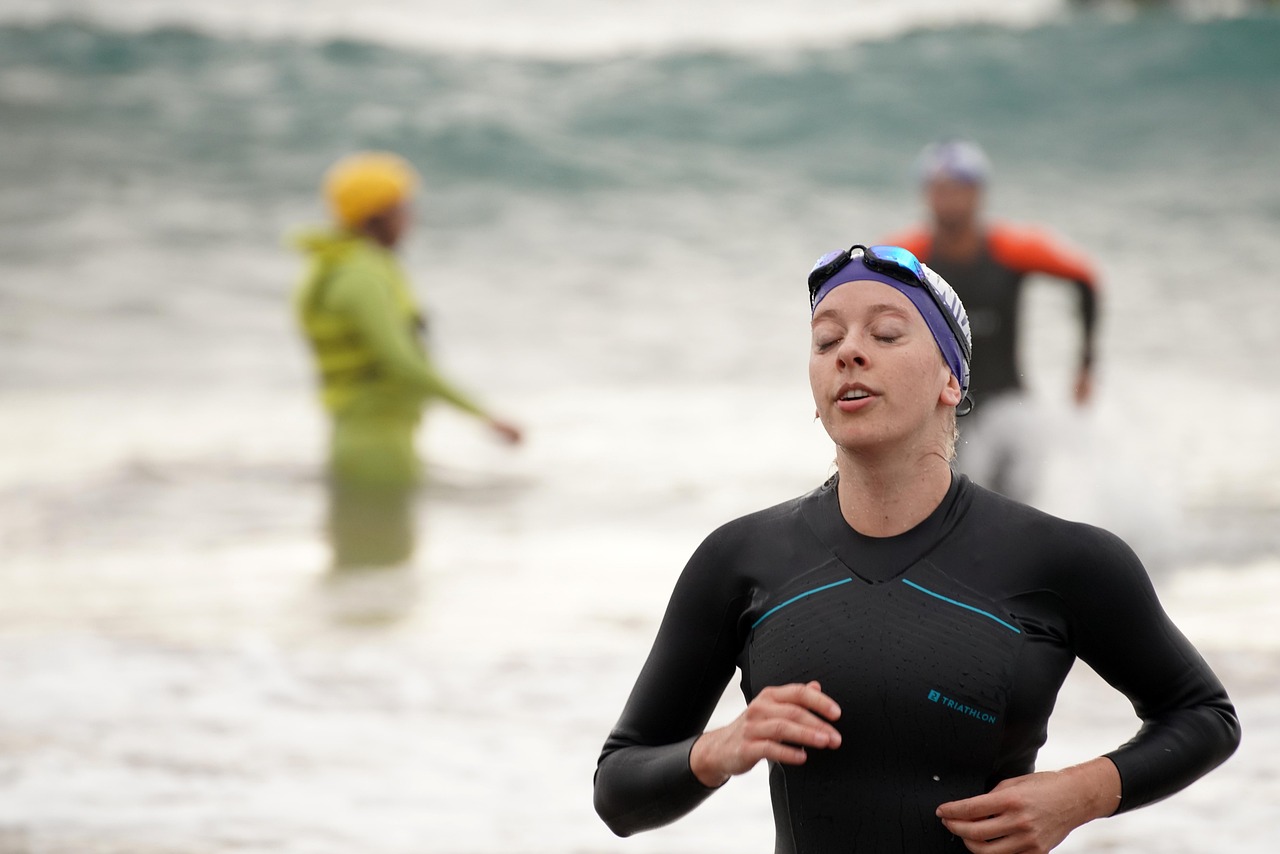

Strength Training Schedule for Youth Triathlon Athletes
An effective strength training schedule is crucial for youth triathlon athletes to enhance performance across swimming, cycling, and running. Strength training builds endurance, develops proper biomechanics, and reduces injury risks. The focus should be on multi-joint movements that mimic athletic conditions. A well-designed program includes bodyweight exercises, resistance training, and sport-specific drills. Incorporating flexibility training is equally important for performance and health. Start sessions with dynamic warm-ups to prepare the body for more intense workouts. Some beneficial exercises include squats, push-ups, lunges, and planks. While conducting these exercises, it’s critical for coaches and trainers to ensure proper technique. This approach allows young athletes to build strength progressively without overloading their growing muscles. Regular assessments should be made to track progress and adjust the program accordingly. This holistic method will not only enhance strength but also build mental toughness and resilience among young athletes. Furthermore, maintenance of proper nutrition and hydration during training will optimize performance and recovery. Therefore, it’s essential to include a robust nutritional strategy alongside the physical training schedule.
A consistent strength training schedule should span across a weekly plan while integrating rest and recovery days. Athletes should aim for at least two to three sessions per week focusing on strength and power. For instance, divide the sessions into upper body, lower body, and core training routines to ensure a balanced approach to muscle development. Upper body routines may include exercises like bench presses and rows, while lower body sessions can feature squats or deadlifts. Core workouts should incorporate variations like medicine ball throws or Russian twists. These exercises not only improve strength but also promote stability during triathlon events. Additionally, athletes should engage in high-intensity interval training (HIIT) to boost strength while enhancing cardiovascular fitness simultaneously. The combination of strength and HIIT will serve to improve overall athletic performance significantly. It’s beneficial to keep a training journal documenting workouts and progress to help maintain motivation. Involving parental support and supervision is vital to ensure safety and encouragement throughout the training program. Proper guidance may help young athletes develop their physical abilities more effectively.
Weekly Strength Training Structure
Structuring a weekly strength training plan for youth athletes involves scheduling light, moderate, and intense days to promote recovery. Start with foundational strength, gradually increasing intensity through progressive overload. Week one can introduce basic movements with light weights focusing primarily on form. Progressing to weeks two and three should shift toward higher weights and more complex exercises while ensuring a broader range of motion. Developing efficient movement patterns during these weeks prevents bad habits from forming. By week four, athletes can further enhance their workouts with neuromuscular training involving speed and agility drills. Each session should ideally last no more than 60 minutes to maintain focus and energy levels. Proper warm-up and cool-down routines are crucial parts of each session, incorporating elements of stretching and mobility. Including functional movements, such as kettlebell swings or resistance band exercises, accommodates diverse training adaptations. It’s important to integrate options for rest or lighter workout weeks to prevent burnout and promote full muscle recovery. Additionally, coaches need to monitor attitudes and motivations as mental engagement is equally critical as physical capabilities in youth sports.
Conducting strength training must align with specific triathlon phases, such as preparing for race season versus off-season training. During the off-season, introducing a more aggressive strength regime can build a solid fitness foundation. This approach prepares the athlete for higher training loads as competition approaches. Transition days or recovery weeks should be included after several consecutive weeks of intense training. On such days, reduced volume with an emphasis on technique and mobility work keeps athletes engaged without accompanying fatigue. Ensuring variations in training styles—like circuit or supersets—can maintain excitement and interest among young athletes. If possible, integrating group workouts enables peer support and camaraderie to foster a positive training environment. Athletes should be encouraged to communicate their concerns or fatigue levels to coaches openly. By creating a culture of safety and understanding, each youth athlete feels validated, which helps improve their overall experience. It’s also essential to keep the communication channel open between parents, coaches, and the athletes regarding any injuries or health issues to deliver timely interventions whenever necessary.
The Importance of Nutrition and Recovery
Nutritional strategies must accompany strength training to support young triathletes’ growth and performance. A balanced diet rich in proteins, healthy fats, and carbohydrates fuels athletic endeavors effectively. Ensuring adequate hydration is equally pivotal to avoid fatigue and dehydration. Young athletes should be educated about the significance of post-workout recovery meals, which ideally include protein and complex carbohydrates within a 30-minutes window. Incorporative nutrient timing, such as consuming a post-recovery shake, can maximize muscle recovery and repair effectively. Additionally, teaching young athletes about inflammation management through their diet, such as omega-3 fatty acids found in fish, promotes healing and reduces soreness. Moreover, restorative techniques like foam rolling or massage can be integrated to alleviate muscular tension and soreness after workouts. Prioritizing quality sleep is another significant element, as proper rest enhances recovery and mental sharpness. Encourage athletes to develop good sleep habits, aiming for at least 8-10 hours per night. If resources permit, consulting with a nutritionist can help tailor an individual dietary plan to suit each athlete’s needs. Individual approaches invariably yield better results compared to generic strategies.
Incorporating mental training into the strength training schedule can visibly benefit youth triathlon athletes. Mental resilience often makes the difference between performance levels, especially during race day. Techniques such as visualization can assist athletes in building confidence, aiding in stress management, and maintaining focus during competition. Sessions that blend physical strength training with mental strategies provide a holistic training experience. Coaches can set aside time for discussions on goal setting, breathing techniques, and positive affirmation practices. Encourage athletes to visualize a successful training session or race, seeing themselves perform at their best. Journaling their thoughts and experiences promotes reflection while underlining personal goals, ultimately enhancing motivation levels. Creating a supportive environment where doubts can be aired develops trust among team members, facilitating collaborative training moments. This support system serves as another avenue for growth and resilience. Likewise, incorporating team-building activities can foster stronger relationships among athletes while improving mental commitment to the training schedule. Consequently, athletes feel more empowered, encouraged, and less likely to bow to pressure. Emphasizing this mental aspect transforms the strength training experience beyond physical demands into a complete personal development journey.
Conclusion: Long-Term Athletic Success
The right strength training schedule for youth triathlon athletes can lay down a vital foundation for their long-term success in sports. It is essential to instill consistent, purposeful training habits early on, alongside a focus on fun and camaraderie. Young athletes can develop a sense of responsibility towards their training when they understand the significance of strength in relation to performance. As a support system involving parents and coaches remains active, the growth of these athletes becomes inevitable. The importance of balance in fitness, nutrition, recovery, and mental health should never be underestimated. Triathlon is an intense sport demanding great physical and mental resilience, and athletes must be prepared accordingly. Monitoring progress and attributing small wins contribute significantly to overall motivation and commitment. The success of youth athletes often reverberates into future athletic pursuits, contributing to lifelong healthy habits. Parents should also remain engaged and appreciative of their child’s efforts to encourage growth. Ultimately, establishing a solid foundation through strength training will yield dividends, enabling young athletes to tackle competitive events confidently and proficiently.
Teaching youth triathlon athletes the importance of strength training instills discipline and consistency from an early age. Learning how to build their own training schedules empowers them to take control of their fitness journey. By promoting a balanced routine that includes various training dimensions, ultimately, they develop a deeper understanding of their body’s needs and limitations. Adaptation will occur over time, providing resilience and the ability to face challenges head-on. Additionally, fostering community involvement through high-energy strength training camps will enrich the training experiences. Regular exposure to athletic diversity showcases the benefits of combining different training elements, unlike merely focusing on one aspect. Keeping everyone engaged will also ensure newcomers feel welcomed and supported. Conclusion: As youth triathlon athletes embark on their strength training journey, the strategies applied in the training schedule contribute significantly to their growth and development. Careful monitoring and adjustments will lead to successful outcomes, ensuring a joyful and balanced experience. As they progress toward races, the robust foundation built through strength training will serve them for many years, transforming them into lifelong athletes.