
Dynamic Balance Exercises You Can Do at Home
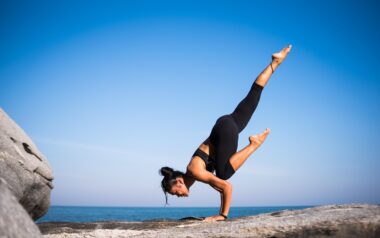
Dynamic balance exercises are essential for improving stability and coordination in various activities. One effective exercise to start with is the single-leg stand. Stand upright and slowly lift one leg off the ground while maintaining your balance. Hold this position for as long as you can, then switch legs. To intensify the challenge, try closing your eyes or standing on an unstable surface, like a pillow. Another excellent exercise is the waltz walk, where you walk in a straight line, placing one foot directly in front of the other. This helps improve your center of gravity, encouraging coordination. Additionally, incorporating yoga poses such as the tree pose can significantly enhance balance and flexibility. The tree pose involves standing on one leg and placing the opposite foot against the inner thigh of the supporting leg. Remember to engage your core while performing these exercises for maximum effect. Incorporating these simple yet effective exercises into your daily routine will substantially improve your dynamic balance over time, making your movements more fluid and coordinated.
To further enhance your dynamic balance, consider adding dynamic lunges to your exercise routine. Begin by taking a step forward and lunging while keeping your back straight. Alternate legs and maintain controlled movements as you lower your body. It is crucial to ensure that your front knee does not extend past your toes during this exercise to avoid injury. Another valuable exercise is the lateral leg raise. Stand tall and lift one leg to the side, targeting your hip abductors. Hold the position for a second and lower the leg. Repeat this on both legs several times for improved stability. Furthermore, incorporating balance boards can add variety to your fitness regimen. These boards challenge your balance by forcing your body to adjust to an unstable surface. Start by standing on the board with both feet, then try to balance on one foot. Make sure to engage your muscles, especially your core, to maintain proper posture during these exercises. Striving for consistency and gradual progression will lead to significant improvements in your dynamic balance.
Advanced Dynamic Balance Techniques
Once you’ve mastered basic dynamic balance exercises, advancing to more challenging techniques can further improve your skills. One such exercise is the balance beam walk. If you’re at home, consider using a narrow surface like a line of tape or a skateboard for this purpose. Focus on walking straight, placing one foot directly in front of the other to enhance focus and coordination. Engaging in agility drills is another effective way to boost dynamic balance. These drills can include lateral shuffles, forward sprints, and backpedaling to encourage quick direction changes. To challenge yourself even further, try performing these drills while carrying an object, such as a light weight. Incorporating balance challenges such as the stork stance can also enhance dynamic stability. Stand on one leg while raising your opposite knee and holding a stable position. To intensify this, reach your free leg back behind you while maintaining your balance. These advanced techniques require greater focus and engage multiple muscle groups to enhance your overall dynamic balance.
Incorporating dynamic balance exercises into your daily routine is crucial to enhancing performance in various sports and activities. Activities like football, basketball, and dance rely heavily on balance and coordination. Consider using a wall for support as you perform these exercises, gradually reducing your reliance on it as your confidence and capability grow. Another engaging and enjoyable option is to try dance-based workouts. Dance improves balance through coordinated movements, rhythm, and engages core muscles. These workouts challenge dynamic balance while ensuring a fun and enjoyable experience. Moreover, activities such as tai chi are beneficial for practicing movement fluidity and control. The slow and deliberate nature of tai chi not only enhances balance but also promotes relaxation and mindfulness, making it an excellent addition to your fitness routine. Ensuring you practice dynamic balance exercises regularly will help boost your physical capabilities and lead to notable improvements in your mobility and overall fitness. Following this routine will pave the way for a more active lifestyle, enabling you to reap the rewards of enhanced functional movement.
Balance Challenges for All Ages
Dynamic balance exercises are not only advantageous for athletes but are also highly effective for individuals of all ages. Older adults, in particular, can benefit from incorporating these exercises to prevent falls and enhance their mobility. Simple exercises like heel-to-toe walking can be easily performed indoors and can significantly improve your stability. Another effective exercise for older adults is the chair rise. Sit on a sturdy chair and stand up without using your hands. Repeat this several times to build leg strength and enhance balance. For children, engaging in fun activities like playground games promotes dynamic balance while they play. Encourage kids to balance on beams or logs while enjoying outdoor activities to help them naturally develop their balance skills. Furthermore, activities such as balance bike riding are enjoyable for children and help improve their dynamic balance. Creating a supportive environment in which to practice balance skills is essential, establishing a foundation for enhanced coordination throughout their lives.
Aside from traditional dynamic balance exercises, engaging in various activities can seamlessly integrate balance training into your lifestyle. Activities such as hiking over uneven terrain provide ample opportunities to challenge your dynamic balance naturally. Focus on stepping carefully over rocks and roots while maintaining your posture. This experience enhances your agility and responsiveness to unexpected changes in terrain. Participating in group exercises, such as Zumba or yoga classes, not only entertains but also develops your coordination and stability in a fun atmosphere. These classes offer a great way to socialize while improving fitness. Adapting your home gym equipment to include balance training tools is another effective method. Consider using items such as balance pads or stability balls to enhance exercises like squats and push-ups. Regularly incorporating these balance challenges will yield noticeable improvements in your overall fitness. Building a solid foundation of balance can positively affect athletic performance and everyday activities. Include a variety of balance exercises in your weekly routine to experience the benefits of dynamic movement.
Conclusion and Tips for Improvement
In conclusion, dynamic balance exercises are essential contributions to your fitness and coordination. Gradually challenging your abilities will yield significant improvements over time. Incorporating a range of exercises targeting different muscle groups can provide a well-rounded approach to developing dynamic balance. For optimal results, aim for consistency and gradual progression as you perform your routines. Keep a journal to track your progress and challenges can help keep you motivated and focused on your goals. Remember to maintain proper form and posture during each exercise; if necessary, seek guidance from a fitness professional. Additionally, including core-strengthening exercises will further enhance your balance capabilities. Engage the muscles around your abdomen through exercises like planks and bridges to cultivate a stronger foundation. Lastly, make sure to warm up before starting any exercise and cool down afterward to promote recovery. Dynamic balance is not just an ability to master but rather an integral part of maintaining physical health and well-being. Embrace these exercises, and you will notice improvements in your daily life, elevating both your performance and confidence.