
The Connection Between Detoxification and Mediterranean Lifestyle
Detoxification plays a vital role in maintaining overall health and wellness. It involves the elimination of toxins that accumulate in our bodies from various sources, including diet, environmental factors, and lifestyle choices. The Mediterranean diet is widely recognized for its beneficial effects on health, emphasizing whole foods, healthy fats, and fresh produce. This dietary pattern can significantly support the detoxification process, as it provides essential nutrients and antioxidants that our bodies need. Moreover, Mediterranean meals are often rich in omega-3 fatty acids, found in fatty fish and olive oil, which helps to reduce inflammation. In addition to anti-inflammatory benefits, the Mediterranean diet promotes hydration through the consumption of fruits and vegetables with high water content. Furthermore, traditional practices such as slow food and mindful eating encourage individuals to savor their meals, enhancing digestion and nurturing a balanced gut microbiome. It’s crucial to explore how these nutritional guidelines can serve detoxification goals. By focusing on fresh and seasonal foods, the Mediterranean approach not only aids detoxification but also contributes to long-term health and vitality, creating a holistic framework for sustained wellness.
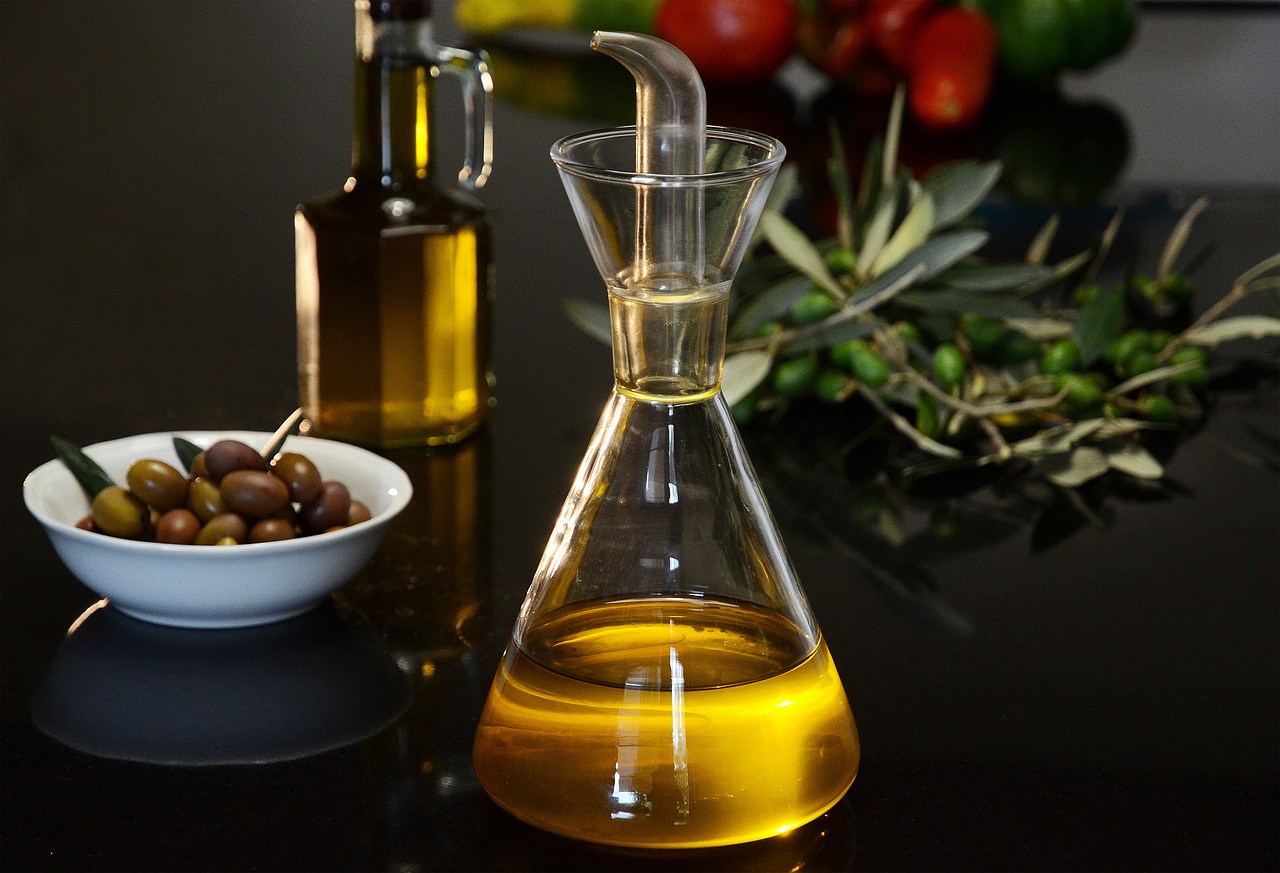
Adopting a Mediterranean lifestyle can assist in detoxification in several key ways. First, this diet is high in plant-based foods, which are naturally rich in fiber. Consuming an adequate amount of fiber promotes regular bowel movements, helping to eliminate waste and toxins. Foods like whole grains, fruits, and vegetables encourage the body’s natural detoxification pathways. Secondly, the Mediterranean diet emphasizes the consumption of healthy fats, primarily from olive oil, nuts, and avocados. These fats work to transport fat-soluble vitamins, which are crucial for overall health dynamics. Moreover, they support liver function, enhancing its ability to process and eliminate toxins effectively. The incorporation of herbs and spices commonly used in Mediterranean cooking, such as garlic and turmeric, introduces compounds that further aid detoxification. In contrast to processed foods that can burden the body’s detox systems, the Mediterranean emphasis on whole foods promotes optimal nutrient absorption. A focus on balance and moderation is also integral, discouraging excessive intake of sugar and unhealthy fats, which can hinder detoxification efforts. Together, these components exemplify a methodical approach to cleansing and enhancing the body’s natural detoxification processes.
Benefits of Hydration in Detoxification
Hydration is a critical component of the detoxification process, and the Mediterranean lifestyle incorporates various hydrating methods. Emphasizing the consumption of water-dense fruits and vegetables provides hydration alongside essential vitamins and minerals. Berries, cucumbers, and citrus fruits not only hydrate but also provide antioxidants, which combat oxidative stress in the body. Herbal teas, commonly enjoyed in Mediterranean cultures, offer another hydration source, rich in compounds known for their detoxifying properties. Drinking green tea, for instance, is linked to enhanced liver function, aiding in the elimination of harmful substances. Staying hydrated complements the fiber intake from the diet, promoting healthy digestion and reducing the likelihood of constipation. Additionally, mineral-rich broths and soups part of Mediterranean culinary traditions provide hydration while supplying important electrolytes that support bodily functions. The practice of mindful hydration, taking time to drink water throughout the day rather than all at once, reflects the Mediterranean approach to health and wellness. Consequently, integrating hydration within the principles of the Mediterranean diet becomes a valuable tool for enhancing detoxification and supporting overall well-being.
Physical activity serves as another significant pillar of the Mediterranean lifestyle, enhancing detoxification efforts. Regular movement stimulates circulation, allowing toxins to be transported to the organs responsible for elimination. Walking, swimming, and cycling are popular forms of exercise in Mediterranean cultures, exemplifying an active yet enjoyable lifestyle. Engaging in routine physical activity increases metabolism, aiding the body in burning off excess materials, ultimately contributing to weight management. Furthermore, exercise induces sweating, a natural process that eliminates various toxins from the body through the skin. The combination of sweat and increased blood flow also supports cell renewal, resulting in improved overall health. Being active outdoors, especially in nature, aligns with the Mediterranean philosophy of harmonious living. Physical activity also elevates mood and alleviates stress, contributing to emotional detoxification, which is equally vital for health. By integrating consistent movement within daily routines, individuals not only fortify their detoxification practices but also enrich their lives with greater energy and improved mental clarity. Overall, the connection between exercise and effective detox can significantly amplify the benefits gained from the Mediterranean lifestyle.
The Role of Mindfulness in Detoxification
The Mediterranean lifestyle encourages mindfulness in eating and overall daily practices, greatly benefiting the detoxification process. Mindful eating focuses on savoring every bite, promoting better digestion and nutrient absorption. Individuals are urged to pay attention to what they are consuming and to appreciate the natural flavors and textures of fresh, whole foods. Additionally, the traditional Mediterranean practice of sharing meals fosters community and connection, leading to a more fulfilling eating experience. This social aspect can reduce stress levels, further enhancing the body’s ability to detoxify. In times of stress, the body’s detoxification systems can falter, allowing toxins to accumulate. Hence, practicing mindfulness through meditation or leisurely walks can help create harmony between the body and mind. The importance of slowing down and enjoying both meals and life contributes to overall emotional well-being. Engaging with nature, seamlessly woven into Mediterranean living, can also enhance mindfulness, providing a serene backdrop for reflection. Embracing thoughts of gratitude is particularly beneficial for our overall mindset. Thus, incorporating mindfulness into detoxification promotes a comprehensive approach to health, combining nutrition, physical activity, and psychological well-being.
Embracing a detoxification journey does not mean that one has to sacrifice culinary pleasure. The Mediterranean diet offers a delightful array of flavors and textures, making healthy eating enjoyable. From the fragrant spices of North Africa to the fresh seafood along the Mediterranean coast, this approach celebrates culinary diversity. Enjoying seasonal ingredients enhances not only flavor but also ensures optimal freshness and nutritional value. Recipes emphasize cooking methods such as grilling, steaming, and baking, which preserve nutrient content, contributing further to detoxification benefits. Additionally, simplicity in meal preparation helps retain the integrity of each ingredient, maximizing their detoxifying potential. As meals are shared among family and friends, the joy of eating becomes a cultural experience rather than merely a necessity. Creating meals together promotes connection, thereby contributing to overall happiness and community well-being. Eating together also reinforces healthy habits and encourages mindful choices. By prioritizing enjoyment in the detoxification process, individuals are more likely to adopt and maintain these practices for the long term. Whether it’s a vibrant salad or a wholesome stew, the Mediterranean approach emphasizes that healthy eating can be delicious and fulfilling.
Final Thoughts on Detoxification and the Mediterranean Lifestyle
In summary, the Mediterranean lifestyle provides a well-rounded framework for effective detoxification. Focusing on whole, nutrient-rich foods while enhancing hydration, physical activity, and mindfulness collectively creates a robust detoxification plan. The unique combination of flavors, textures, and cultural practices contributes to an enjoyable and fulfilling health journey. As individuals embrace these principles, their bodies become more adept at processing and eliminating toxins, ultimately enriching their physical and mental well-being. The longevity associated with Mediterranean lifestyles reflects the efficacy of these practices, showcasing the benefits of less processed foods in our diets. Transitioning toward this way of living does not need to be overwhelming; rather, small, mindful adjustments can yield significant results over time. By prioritizing fresh ingredients and engaging with nature, we enhance our alignment with this timeless lifestyle. The connection between detoxification and the Mediterranean tradition exemplifies how health can be achieved holistically. As more people become aware of these benefits, the Mediterranean approach continues to inspire individuals seeking balance and wellness in today’s fast-paced world. Aligning with these principles can open pathways to a healthier, detoxified existence, offering both vitality and joy.
Ultimately, embracing the Mediterranean lifestyle as part of a detox plan can lead to profound long-term benefits. Within this framework, individuals become more conscious of their food choices, recognizing their impact on health. As they develop a deeper connection with their bodies and the nutritional needs they require, the process of detoxification becomes seamless and enjoyable. Supporting liver function, enhancing hydration, and indulging in community meals create an environment that nurtures both body and spirit. Through lifestyle changes rooted in the Mediterranean tradition, individuals can significantly decrease their exposure to harmful substances while enhancing overall wellness. Replacing processed and high-sugar foods with fresh produce leads to vitality, energy, and greater enthusiasm for life. Moreover, the emphasis on sustainable practices in Mediterranean cooking encourages environmental mindfulness, linking the personal journey of detoxification to a wider ecological perspective. This interconnectedness promotes a holistic understanding of health, emphasizing that what we eat, how we move, and the relationships we build matter. Thus, a commitment to adopting a Mediterranean lifestyle not only benefits individuals but also contributes to a greater sense of community and support in achieving wellness goals together.