
Best Warm-Down and Recovery Exercises After Outdoor Bootcamp
After an invigorating outdoor bootcamp, the importance of a proper warm-down and recovery routine cannot be overstated. Ensuring proper recovery allows muscles to heal and aids in overall fitness progress. A thoughtful post-workout routine can prevent soreness and enhance flexibility. It’s essential to gradually bring your heart rate down to avoid dizziness or fainting. Start with gentle stretching to promote blood flow to your muscles. Engaging in deep, mindful breathing during stretches can help release tension as well. Also, hydration plays a vital role in recovery, as replenishing lost fluids aids in muscle recovery. These exercises are not just for recovery; they can also enhance performance in future workouts. Focus on areas that were heavily engaged during the bootcamp. Some effective cool-down techniques include slow walks, hamstring stretches, and quadriceps stretches. Opt for a quiet, cool area to perform these exercises, optimizing your relaxation and recovery process. Combining all these factors will ensure that you’re well-prepared for your next workout, improving your overall performance and aiding in long-term health and fitness goals.
Post-exercise nutrition is crucial to recovery. After a vigorous outdoor bootcamp session, the body requires nutrients. Consuming a balanced meal containing carbs, protein, and healthy fats can replenish muscle glycogen stores. Moreover, this meal aids in muscle repair and growth. For recommendations, consider a smoothie made from fruits, yogurt, and oats. This can be easily digested and provides energy for recovery. Incorporating lean proteins such as chicken or tofu, along with whole grains, can provide significant recovery benefits. Additionally, hydration should not be overlooked. Drinking water or electrolyte-rich beverages can help in rehydration after sweating. You might also explore options like coconut water for natural electrolyte replenishment. If you’re looking for snacks, options such as nuts, seeds, and fruit provide quick energy boosts while helping fulfill nutritional requirements. Recovery drinks can also be beneficial; they provide an easy-to-consume option to meet post-workout needs. Finally, don’t forget to customize your recovery nutrition based on your specific workout intensity and personal dietary preferences. Being attentive to your body’s needs will ensure a timely recovery and set you up for future success in your fitness journey.
Essential Stretching Techniques
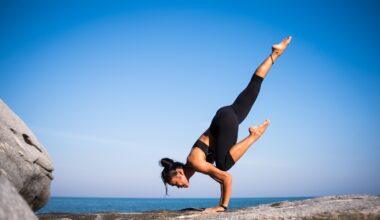
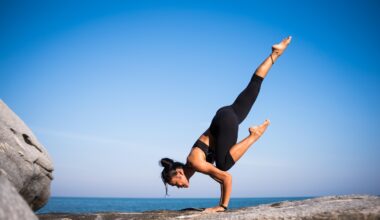
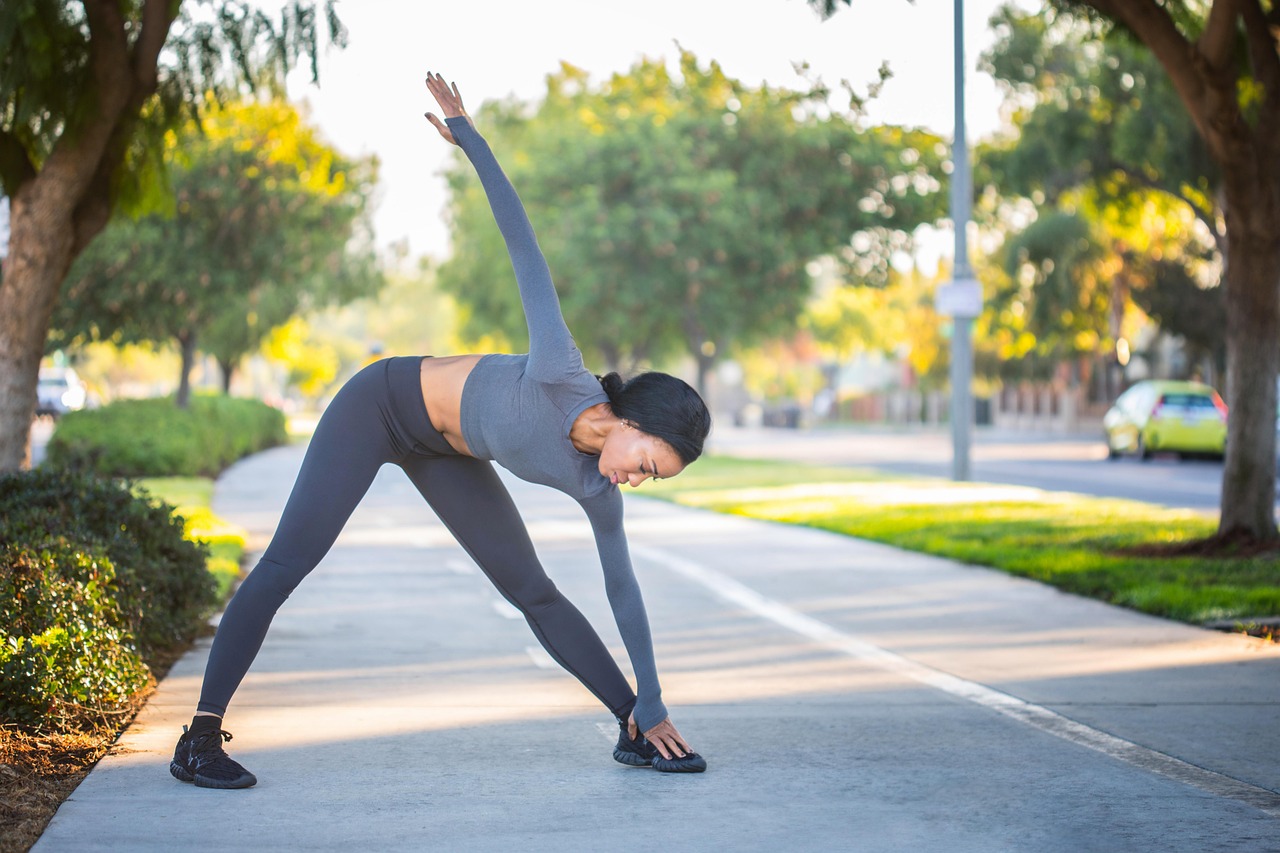
Stretching is an essential part of your cool-down after an outdoor bootcamp. Implementing effective stretching techniques can help maintain flexibility and reduce muscle soreness. Start with dynamic stretches, targeting major muscle groups such as hamstrings, quads, and shoulders. A classic example is the standing toe touch, which helps stretch the hamstrings. Hold each stretch for about 20-30 seconds, ensuring you breathe deeply. Additionally, try the cobra stretch by lying on your stomach and pushing up with your arms to stretch the core. This exercise can improve spine flexibility and alleviate tension. To further relieve tightness, consider the butterfly stretch, focusing on the inner thighs. It is vital to listen to your body and avoid overstretching. Always ease into stretches and never force your body into discomfort. Incorporating foam rolling as a complementary technique can also provide added benefits. Foam rollers help alleviate muscle stiffness and improve blood flow. You may even consider utilizing yoga stretches as a way to cool down. Incorporating a diverse range of stretches not only enhances recovery but also improves overall flexibility, aiding future performance in your outdoor workouts.
Another significant aspect of post-boocamp recovery is proper hydration. Hydration provides essential support to your body systems, assisting in effective muscle recovery. Start by drinking water throughout the day leading up to your workout and continue afterwards. It’s a common misconception that water alone is enough for recovery. Including electrolytes is crucial because you lose essential minerals while sweating. You can replenish electrolytes naturally by consuming fruits such as bananas or by drinking coconut water. Specialized sports drinks are also a good option but check for additives or excessive sugars. Remember, your hydration strategy should consider the intensity and duration of your bootcamp session. For particularly strenuous workouts, consider recuperating with electrolyte-rich foods and beverages. You might also explore herbal teas as calming alternatives. Notably, if you’re not accustomed to intense exercise, gradual acclimatization is paramount to understand your hydration needs. Hydrating appropriately improves your body’s ability to respond after workouts, enhances recovery, and aids future performances. Staying mindful about your hydration can significantly impact your fitness goals and overall well-being.
Incorporating Active Recovery
Active recovery is a valuable component of your warm-down strategy. It refers to low-intensity exercises performed post-bootcamp that help facilitate muscle recovery. Rather than stopping completely after an intense session, maintaining mild activity can enhance circulation and reduce subsequent soreness. Options for active recovery can include leisurely walking, gentle cycling, or even yoga sessions. Such activities allow muscles to recover without overly exerting them. Gentle movements can provide a continuous blood flow to the muscles, which helps eliminate metabolic waste produced during high-intensity exercise. Additionally, it allows your heart rate to gradually return to its resting state, which is beneficial for cardiovascular health. Incorporating flexibility, mobility work, or core-strengthening exercises into your active recovery can set you up for improved performance in future workouts. For example, consider participating in a light yoga class or following an easy stretching routine at home. Overall, ensuring you allocate time for active recovery can facilitate a smoother transition post-exercise, enhancing your physical resilience and performance, ultimately driving progress in your fitness journey.
The role of rest is equally paramount in the recovery process after outdoor bootcamp workouts. Sleeping is when your body undergoes critical repair work, helping muscles recover and grow stronger. Overlooking sleep can lead to increased fatigue, injuries, and impaired performance. Aim for 7-9 hours of quality sleep each night, adjusting based on personal needs. Consider establishing a consistent sleep schedule to regulate your circadian rhythm. Creating a relaxing bedtime routine, free from screens and stimulating activities, can enhance sleep quality. Additionally, assess your sleeping environment; a cool, dark, and quiet space promotes restful sleep. Factors such as sleep position also affect recovery; side-sleeping can alleviate muscle tension. Furthermore, consider the timing of your last meal before bed. Consuming light, protein-rich foods can help support recovery without causing discomfort during sleep. Remember, you can supplement good sleep hygiene with relaxation techniques like meditation or gentle stretching before bedtime. Prioritizing quality rest is integral to maximizing your recovery strategy and overall performance, promoting sustainable progress in your outdoor workout journey.
Mindfulness and Relaxation Techniques
Mental recovery is also crucial; exploring mindfulness and relaxation techniques can enhance your overall recovery strategy. Stress and mental fatigue can significantly hinder physical recovery, so implementing practices that promote mental tranquility can be beneficial. Incorporate methods such as meditation, deep breathing, or progressive muscle relaxation post-bootcamp. Deep breathing exercises can help reduce anxiety and facilitate relaxation, promoting a sense of calm after intense workouts. Furthermore, consider expressing gratitude or jotting down reflections on your workout experience in a fitness journal; this reinforces positive mindsets. Engaging in guided meditation through various mobile applications may also provide beneficial resources for relaxation. Regularly dedicating time to unwind not only aids in mental recovery but also improves focus and motivation for upcoming workouts. Balancing physical training with mental wellness is essential for a holistic approach to fitness. By recognizing the importance of mental recovery, you can enhance your resilience and adapt to challenges more effectively, driving long-term success in your fitness journey. Ultimately, a well-rounded recovery strategy supports both physical and mental well-being.
In conclusion, successful post-outdoor bootcamp recovery involves various elements working together cohesively. Focused stretching, adequate hydration, nutrition, active recovery, rest, and mindfulness techniques all contribute to a balanced approach ensuring sustained performance. Each aspect enhances your recovery journey, reducing soreness and preparing your body for future challenges. Engaging in these practices not only helps improve fitness levels but promotes long-term health as well. Be attentive to your body’s signals and adjust your routine according to specific needs. Moreover, it’s essential to maintain consistency in these recovery methodologies. Not every session will feel the same; responsiveness will vary based on workout intensity and personal fitness levels. Incorporate a reflective aspect into your routine; think about what worked well and where adjustments may enhance your recovery strategy. Embrace this journey and make these practices part of your fitness lifestyle. Lastly, ensuring you remain aware of your body and its responses will lead to more efficient recovery, paving the way for improved outdoor performance. Celebrate small victories in your recovery process, and you will grow stronger for your next outdoor workout session.