
Balancing Vitamins and Minerals in Vegan Meal Planning
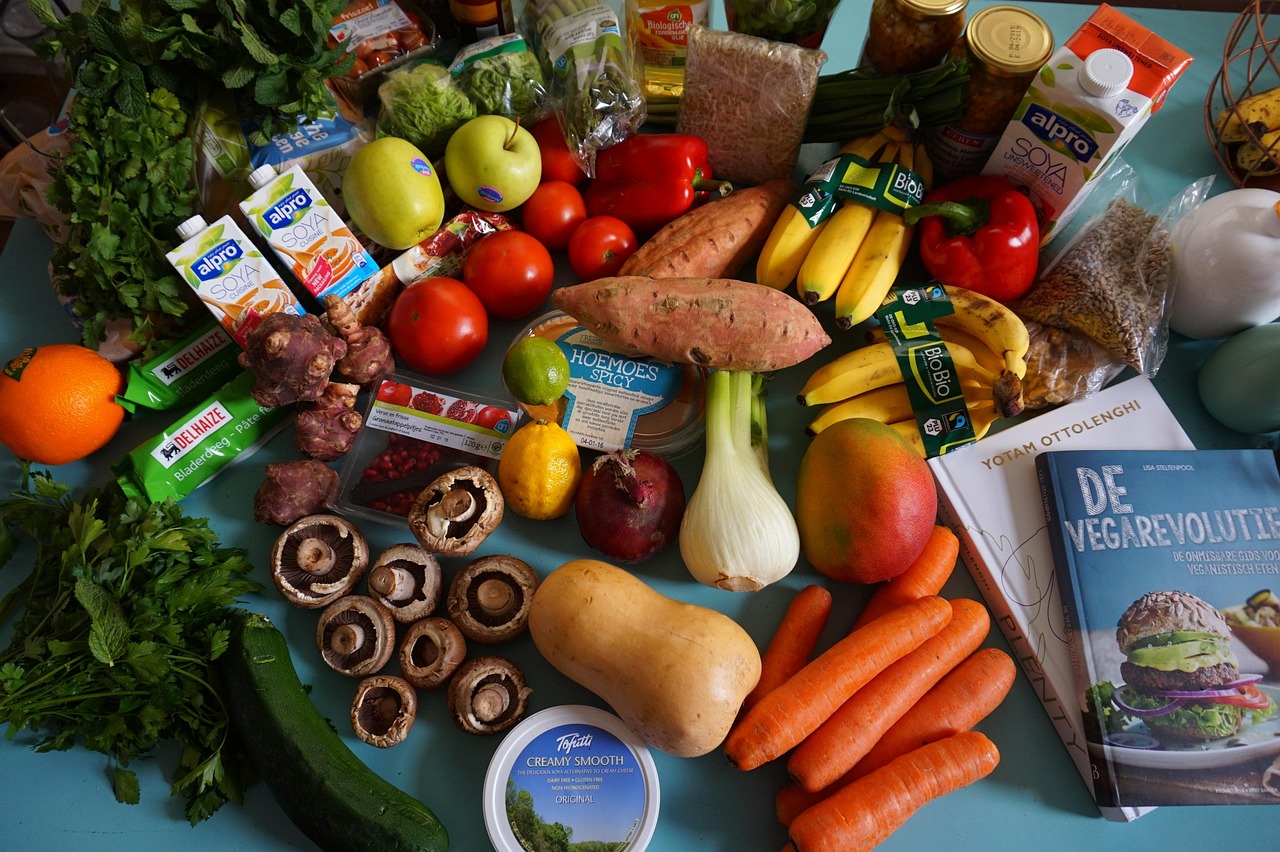
Creating a balanced vegan meal plan requires a clear understanding of vital vitamins and minerals necessary for overall health. Since plant-based diets naturally lack certain nutrients found mainly in animal products, vegan meal planning should focus on eliminating deficiencies. A well-rounded vegan meal plan must include a variety of foods. Leafy greens like spinach and kale are excellent for their calcium and iron content. Legumes and beans are crucial as they provide vital protein and fiber. Whole grains, such as brown rice and quinoa, offer essential B vitamins. Fruits, particularly citrus and berries, ensure adequate vitamin C intake. Furthermore, nuts and seeds contribute healthy fats and vitamin E. Meal prepping can also facilitate better adherence to nutritional guidelines. Preparing dishes in advance helps maintain variety and avoid nutrient gaps. Incorporating fortified foods, such as almond milk or nutritional yeast, can further enhance nutrient density. Keeping a food diary helps track daily nutrient intake. Consulting with a registered dietitian can provide personalized guidance based on specific health needs. A balanced approach helps in fostering sustainable health and wellness while enjoying a diverse array of delicious vegan options.
Understanding macronutrients is crucial in vegan meal planning. Macronutrients consist of carbohydrates, proteins, and fats. Carbohydrates serve as the primary energy source and should be derived from whole plant foods like fruits, vegetables, and whole grains. Proteins can be sourced from legumes, tofu, tempeh, and certain grains. It is essential to combine different protein sources throughout the day to ensure a complete amino acid profile. Furthermore, fats also play a vital role. Healthy fats, such as those found in avocados, nuts, and seeds, help absorb vitamins and provide essential fatty acids. Therefore, striking a balance between these macronutrients is paramount for maintaining energy levels and overall health. Besides macronutrients, paying attention to micronutrients is equally important. Micronutrients include vitamins and minerals required in smaller amounts. These should not be overlooked in a vegan diet. Including a colorful variety of fruits and vegetables can enhance nutrient intake. For those new to veganism, experimenting with different ingredients can lead to discovering complementary flavors and textures. Embracing diversity in food choice ensures not only nutritional adequacy but also keeps meals exciting and enjoyable for everyone.
Key Nutrients to Focus On
Focusing on key nutrients will aid in achieving a well-balanced vegan meal plan. Iron, vitamin B12, calcium, omega-3 fatty acids, and zinc deserve special attention. Iron-rich foods, such as lentils, chickpeas, and fortified cereals, should be regularly included in meals. Enhancing iron absorption can be achieved by pairing these foods with vitamin C-rich items, like citrus fruits or bell peppers. Vitamin B12 is primarily found in animal products, making supplementation or consuming fortified foods crucial for vegans. This vitamin is essential for maintaining healthy nerve cells and red blood cell formation. Calcium can be sourced from fortified plant milks, green leafy vegetables, and tofu, supporting bone health. Omega-3 fatty acids, often obtained from fish, can be found in flaxseeds, chia seeds, and walnuts. Lastly, zinc is vital for immune function and can be acquired from legumes, seeds, and whole grains. Tracking daily intake of these nutrients ensures sufficient levels are met. Incorporating diverse sources into your weekly diet pattern contributes to robust health while minimizing the risk of deficiencies often associated with a vegan lifestyle.
Meal prepping can significantly enhance the effectiveness of vegan meal planning. By allocating time each week to prepare meals in bulk, individuals can maintain diversity while saving time during busy days. Preparing components separately, such as grains, proteins, and vegetables, allows for various combinations throughout the week. Creating a menu that rotates through colors, textures, and flavors can prevent boredom. Additionally, incorporating nutrient-dense snacks helps in meeting dietary goals efficiently. Snacks, such as hummus with vegetables or toasted nuts, can pack both protein and healthy fats. Having these available also prevents reaching for less nutritious options when hunger strikes. Exploring new recipes can inspire creativity in the kitchen. Each week, setting a goal to try at least one new dish helps in expanding culinary skills. Moreover, joining vegan meal prep groups can provide accountability, encouragement, and new ideas. Resources, such as cookbooks and online platforms, can also offer valuable guidance. Meal prepping ultimately promotes a healthy vegan lifestyle, inspiring individuals to make intentional food choices that satisfy their nutritional needs while enjoying diverse tastes and textures.
Supplements in Vegan Diets
In addition to focusing on whole foods, supplements may play a role in balancing a vegan meal plan. Certain nutrients are challenging to obtain through diet alone, making supplementation necessary for optimal health. Vitamin B12 is one of the most common deficiencies among vegans; thus, supplementation is often recommended. Options may include sublingual tablets, capsules, or fortified foods. Vitamin D, particularly for individuals with limited sun exposure, is also necessary to maintain bone health and support the immune system. Omega-3 fatty acids derived from algae can serve as a plant-based alternative to fish oil supplements, ensuring essential fatty acids are included in the diet. Iron supplements might be required for those with clinical deficiencies but should only be taken under medical guidance. Furthermore, probiotics can aid gut health, promoting better nutrient absorption. Consulting with a healthcare professional is vital to assess individual needs and recommend appropriate supplements. Regular blood tests can also detect any deficiencies. Ultimately, the goal of supplementation is to complement a healthy diet while preventing any nutritional gaps that could impact overall health and wellbeing for those following a vegan lifestyle.
Meal variety significantly enhances nutrient absorption in a vegan diet. Consuming a wide range of foods promotes different nutrient profiles, maximizing the intake of vitamins and minerals. Each food group contributes unique benefits, and when combined, they create a balanced nutritional foundation. Having at least three colors on your plate can encourage a mix of phytochemicals, vitamins, and minerals. Leafy greens, bright fruits and vegetables, and whole grains should be prioritized to ensure an array of nutrients. Additionally, rotating ingredients can aid in limiting exposure to potential allergens or irritants. This practice not only helps in acquiring a wide range of nutrients but also reduces the risk of deficiencies. Exploring different cuisines can also keep meals diverse and exciting; thus, practicing cultural culinary inspirations can increase creativity while cooking. Ensuring adequate hydration is equally important; drinking sufficient water aids in digestion and nutrient absorption. Integrating healthy herbs and spices not only enhances flavor but can also provide additional health benefits. Adopting diverse meal strategies while prioritizing hydration can transform a vegan diet into an enjoyable and health-focused adventure.
Conclusion: Embracing Veganism with Balance
In conclusion, balancing vitamins and minerals in vegan meal planning is essential for overall wellbeing. A well-structured diet focusing on key nutrients can prevent deficiencies and foster excellent health. Individuals can achieve a nutritious vegan lifestyle by incorporating various food sources, meal prepping, and considering supplements where needed. Understanding macronutrients’ roles and maintaining meal variety engage taste buds while supporting health. Exploring new recipes, cultural cuisines, and diverse whole foods enhances the culinary experience while promoting nutritional balance. It’s vital to continually learn about nutrition and adapt meal plans thoughtfully. Regular check-ins with healthcare providers can support personal health needs and adjust dietary strategies effectively. Engaging with supportive communities allows for shared experiences and ideas that inspire sustainable vegan habits. Lastly, remember that balance is crucial; a fulfilling vegan lifestyle considers not just the foods consumed but encompasses the joy of cooking, sharing meals, and learning about nutrition. By thoughtfully planning meals, incorporating essential nutrients, and remaining open to new ideas, embracing a vegan diet can lead to a vibrant, healthy life.