
The Role of Footwear in Preventing Cardio Injuries
Cardiovascular training is crucial for maintaining a healthy lifestyle, but it brings with it certain risks, especially in terms of injuries. One key factor that can significantly impact your performance and risk for injuries is the footwear you choose. Proper footwear offers support, cushioning, and stability, which are essential for reducing strain on your feet and joints during cardio workouts. Inappropriate shoes can lead to various injuries such as blisters, plantar fasciitis, and stress fractures. Therefore, investing in the appropriate shoes should be a priority for any individual embarking on a cardio regimen. By understanding your foot type and the type of cardio exercise you perform, you can select shoes that provide the necessary support. Furthermore, shoes should fit well to prevent unnecessary movement inside, which increases the risk of injuries. Trying on shoes later in the day when your feet are slightly swollen can help you find the most accurate fit. Moreover, consider consulting a professional for gait analysis or specialized fitting to determine the best footwear for your cardio pursuits. Identifying the right shoes can often make a remarkable difference in injury prevention.
Many common cardio injuries stem from improper footwear choices. For example, inadequate cushioning can lead to excessive impact being transferred through your legs and feet, resulting in injuries like shin splints or tendonitis. Similarly, if shoes lack sufficient support for your arch, it can lead to overpronation or supination. These biomechanical issues often cause pain over time and may negatively impact your cardio performance. Choosing shoes that are specifically designed for your chosen cardio activity—whether running, cycling, or aerobics—is vital. Well-cushioned running shoes will differ from the more rigid shoes designed for cycling. If you are unsure about what to select, reading reviews or researching the best models for your exercise type can be helpful. Additionally, consider the lifetime of your shoes; wearing shoes past their recommended mileage can compromise their ability to protect and support your feet. A good rule of thumb is to replace running shoes every 300 to 500 miles, whereas fitness shoes may need replacement every 6-12 months, depending on use. Regularly monitoring the condition of your footwear will help keep your cardiovascular training enjoyable and injury-free.
Understanding Foot Strike Patterns
Foot strike patterns greatly influence the type of footwear best suited for your cardio workouts. Some individuals land on their forefoot, while others have a midfoot or heel strike pattern. Each of these strike types can benefit from specific designs in running shoes. Forefoot strikers, for instance, may require more cushioning in the forefoot area, while heel strikers need more support in the heel region. Knowing your foot strike pattern can lead to more educated shoe choices, thereby decreasing the likelihood of injuries. To determine your foot strike, you might consider observing wear patterns on your current running shoes or seeking help from a running store’s specialist for gait analysis. Having the right shoe is essential not just for comfort but also for preventing injuries related to improper alignment through running biomechanics. By choosing shoes compatible with your foot strike pattern, you promote better alignment, allowing for efficient energy transfer and less strain on your body. Always remember that investing time in understanding your foot mechanics and the optimal shoe features can pay off in the long run, keeping you healthy and fit throughout your cardiovascular exercises.
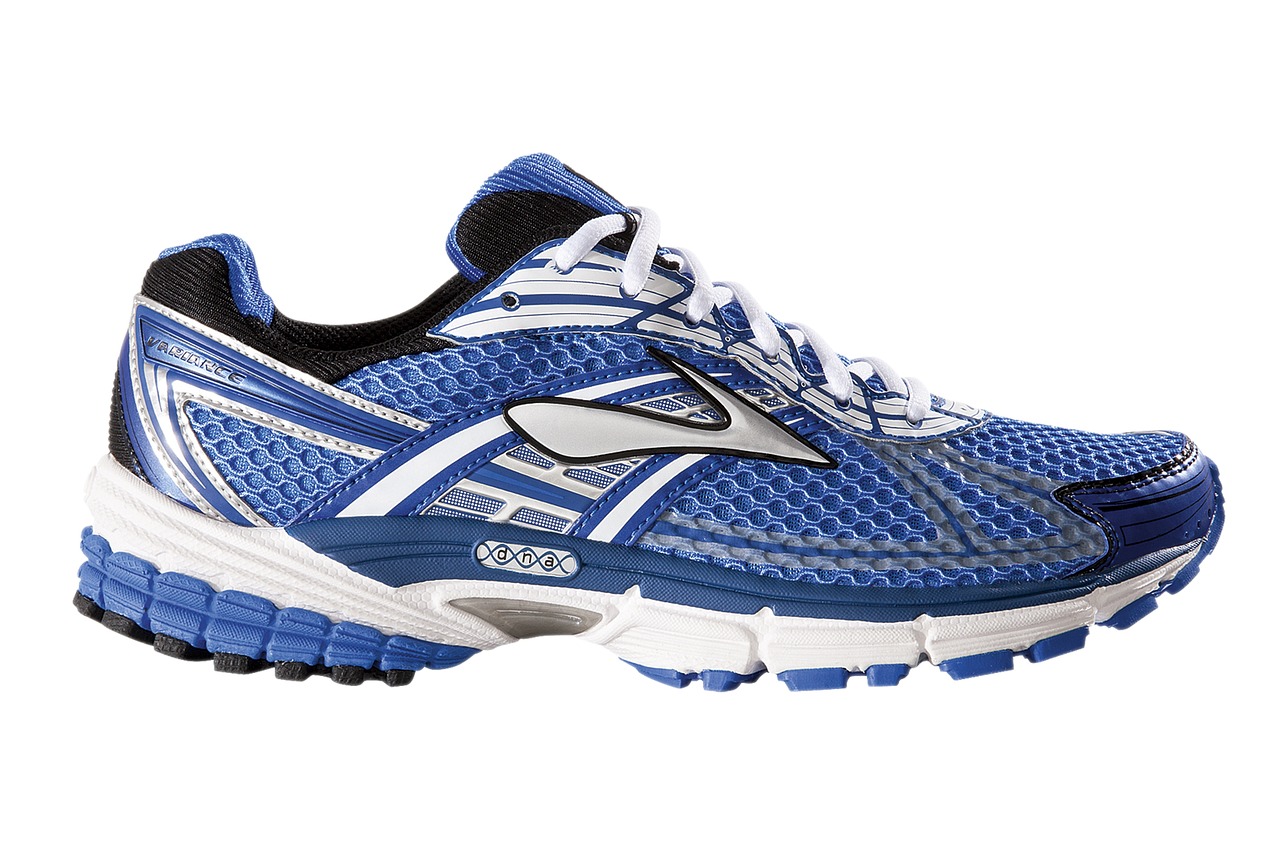
In addition to understanding foot mechanics, the material and cushioning of a shoe play an essential role in injury prevention. Shoes constructed from high-quality materials can better absorb the impact of your movements, providing a more comfortable training experience. Breathability is another factor that should not be overlooked. Airflow helps manage moisture, keeping your feet dry and reducing the risk of blisters and fungal infections. Ultimately, you want footwear that combines durability with flexibility, allowing for natural foot movement while still providing support. Another consideration is the tread design of the shoes. For instance, tread patterns affect traction, which is vital during workouts that include quick changes in direction or activities in wet conditions. Shoes with deeper grooves offer better grip, lessening the chances of slips or falls. An excellent investment in proper footwear not only enhances your performance but also promotes long-term health. Always be open to trying different brands and styles, as each will offer unique features; therefore, ensure you consistently test shoes that might benefit your specific cardio routines.
The Importance of Personalized Fit
A critical aspect of selecting the right footwear for cardio training is ensuring personalized fit. Understanding that every foot is unique will help guide your selection process, from size to style. Each person’s arch height, width, and overall foot shape are distinctive, meaning one shoe might suit one individual but not another. Shoes too tight or loose can lead to discomfort, blisters, or even serious injuries, so a proper fit is an absolute necessity. When trying on shoes, wear the socks you would normally wear during workouts for better accuracy. It is also essential to walk or run a few steps in them inside the store to assess comfort and performance. Don’t forget to check for adequate room at the toe box; your toes need space to move freely without being cramped. Involving a knowledgeable sales assistant or specialist is a smart way to ensure that you are making the right choices. They can provide you with tailored recommendations based on your foot anatomy and the type of activities you engage in regularly. Investing in the right fit today can have far-reaching benefits, preventing injuries tomorrow.
Another important factor in selecting footwear is addressing individual needs based on specific cardio activities. For example, those participating in long-distance running may require shoes that offer more cushioning and support, while interval trainers might benefit from a more lightweight design for better speed and agility. Always consider the terrain where you will train, as running on trails requires different footwear than running on pavement. Trail shoes typically come with enhanced grip and stability features to handle uneven surfaces. Each cardio discipline can impact your foot mechanics differently; therefore, adapt your shoe selection accordingly. Additionally, incorporating orthotic insoles can enhance your comfort and support, accommodating any specific foot issues you may have, such as flat feet or high arches. Custom orthotics can redistribute pressure more evenly across your feet, which can be particularly beneficial when performing high-impact exercises. Consulting with a podiatrist or physical therapist is advisable if you have chronic foot pain or injuries to develop a prevention and care plan tailored to your needs. This comprehensive approach will allow you to continue your cardiovascular training while minimizing injury risks.
Conclusion: Elevate Your Cardio Experience
Ultimately, the role of footwear in preventing cardio injuries cannot be overstated. Every step taken during cardiovascular training should be nurtured by shoes that promote safety and performance. An investment in the right shoes can lead to not only enhanced results but also significant improvements in comfort and overall well-being. Therefore, take the time to research, evaluate, and create a footwear strategy that works for your specific cardiovascular path forward. From assessing your gait to understanding your foot mechanics, every piece of information is essential in making an informed choice. Ultimately, your footwear should feel like a natural extension of your body, enhancing your fitness journey rather than detracting from it. So embrace the importance of appropriate footwear, and remember that this seemingly small factor can lead to profound long-term benefits. A wise choice today will allow you to run, cycle, or aerobically train tomorrow without unnecessary discomfort or injury. Elevate your cardio experience with the right footwear, making each cardio session not just productive, but enjoyable!
In summary, appropriate footwear is crucial for effective cardiovascular training along with injury prevention. Without the right shoes, even the most dedicated fitness enthusiast may face setbacks that hinder performance and overall motivation. Issues such as discomfort, blisters, and chronic pain can discourage individuals from remaining active, ultimately undermining their health goals. Taking the time to choose footwear wisely is not merely a matter of comfort; it relates directly to your long-term fitness outcomes. Individual needs vary greatly, and thus, personalized selections should guide your choices. Always remember to evaluate the shoe’s features, including fit, cushioning, and materials, based on your specific activities and foot structure. Involving professionals or knowledgeable staff can vastly improve your decision-making. Make sure to keep your shoes in good condition, replacing them as needed, and avoid using them for activities for which they are not designed. Higher-quality footwear may carry a higher price tag initially, but the long-term benefits far outweigh the initial investment. Enjoying a consistent cardio routine without the restraint of injuries will ultimately lead to healthier lifestyle choices, so prioritize proper footwear and embark on a fitter, happier journey.