
Breathing Exercises to Relieve Tension from Poor Posture
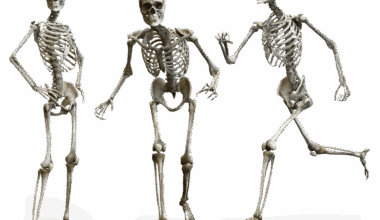
Poor posture often leads to tension and discomfort, especially in the neck and shoulders. One effective way to alleviate this tension is through breathing exercises designed to incorporate proper posture alignment. By focusing on your breath and maintaining good posture, you can reduce stress and improve overall well-being. To achieve optimal results, start by standing up straight, shoulders relaxed, and head held high. Take a deep breath in through your nose, filling your lungs to capacity while elevating your chest, and hold it for a few seconds. Slowly exhale through your mouth, releasing any built-up tension. While practicing these exercises, pay attention to your alignment, ensuring your ears, shoulders, and hips are in a straight line. Utilize a mirror to check your form or ask a friend for assistance. Integrate these breathing exercises into your daily routine, especially during work or study breaks. Just a few minutes of focused breathing can drastically improve posture and reduce tension, supporting your productivity and comfort. Thereby, increase mindfulness regarding your posture and well-being, effectively countering the negative effects of poor alignment.
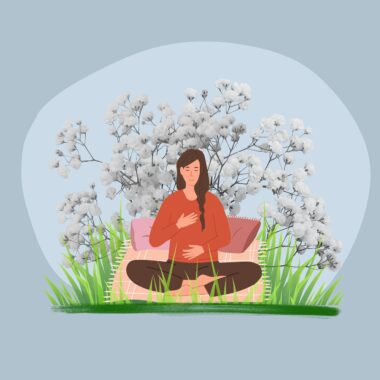
Incorporating mindfulness techniques alongside breathing exercises can further enhance their effectiveness. Mindfulness encourages awareness of the present moment, improving your ability to maintain good posture throughout the day. To apply mindfulness, begin by finding a quiet space where you can settle comfortably. Close your eyes and direct your attention to your breath. Notice the sensation of air entering and exiting your body while maintaining a tall, aligned posture. As you inhale, visualize tension melting away, releasing stress from your shoulders and neck. When you exhale, imagine negativity leaving your body, making room for positivity and relaxation. This practice not only calms your mind but also reinforces the importance of maintaining good posture, enhancing physical awareness. Additionally, consider setting reminders for posture checks throughout the day. Simple notes on your desk or alarms on your phone can provide reminders to take deep breaths and adjust your posture. Practicing these mindfulness and breathing techniques consistently will help you develop healthier habits. Over time, you’ll notice reduced muscle tension and increased comfort, promoting a more positive mindset and improved productivity, allowing you to thrive in both personal and professional situations.
Specific Breathing Techniques for Better Posture
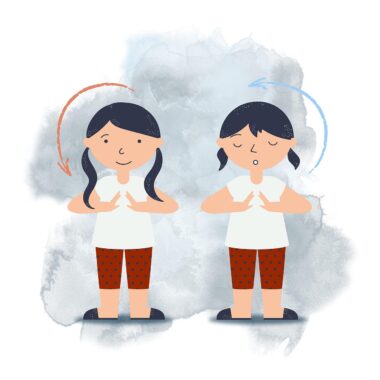
There are several specific breathing techniques that target tension relief and promote better posture. One fundamental technique is the diaphragmatic breath. To practice this, place one hand on your abdomen and another on your chest, then take a deep breath in through your nose. Feel your abdomen rise while keeping your chest relatively still. This type of breathing engages the diaphragm and encourages proper posture while reducing unnecessary tension in the upper body. Aim to practice this for at least five minutes, focusing on slow, deep breathing. Another beneficial technique is box breathing, which involves inhaling for a count of four, holding the breath for four counts, exhaling for four counts, and holding for another four counts. This rhythmic pattern helps calm your nervous system while encouraging stability in posture. Both techniques can be practiced anywhere and can be easily integrated into your daily routine as a quick mental reset. Combine these with regular stretches that target postural muscles, such as your chest, shoulders, and back. This combination enhances your overall physical alignment and makes you more aware of how your body is positioned throughout the day.
Moreover, understanding the connection between posture and breath can further enhance the benefits of these exercises. When you maintain good posture, your lung capacity increases, leading to deeper, more effective breathing. This improved oxygen flow helps your body function more optimally, making everything from concentration to relaxation easier. Conversely, poor posture can restrict your breathing, increasing tension and limiting overall performance. As you practice the aforementioned techniques, pay close attention to how your breath and posture influence one another. You might find that as your posture improves, your breathing also becomes more relaxed and effortless. To reinforce this connection, incorporate posture-focused stretches before and after your breathing exercises. Gentle thoracic spinal extensions, neck rolls, and shoulder blade squeezes can prepare your body to adopt better posture. Additionally, periodically check in with your body and neck position as you work or relax, adjusting as needed to promote optimal alignment. The integration of posture awareness and breath control will lead to lasting benefits, enhancing both mental and physical states in your everyday life.
The Importance of a Relaxation Routine
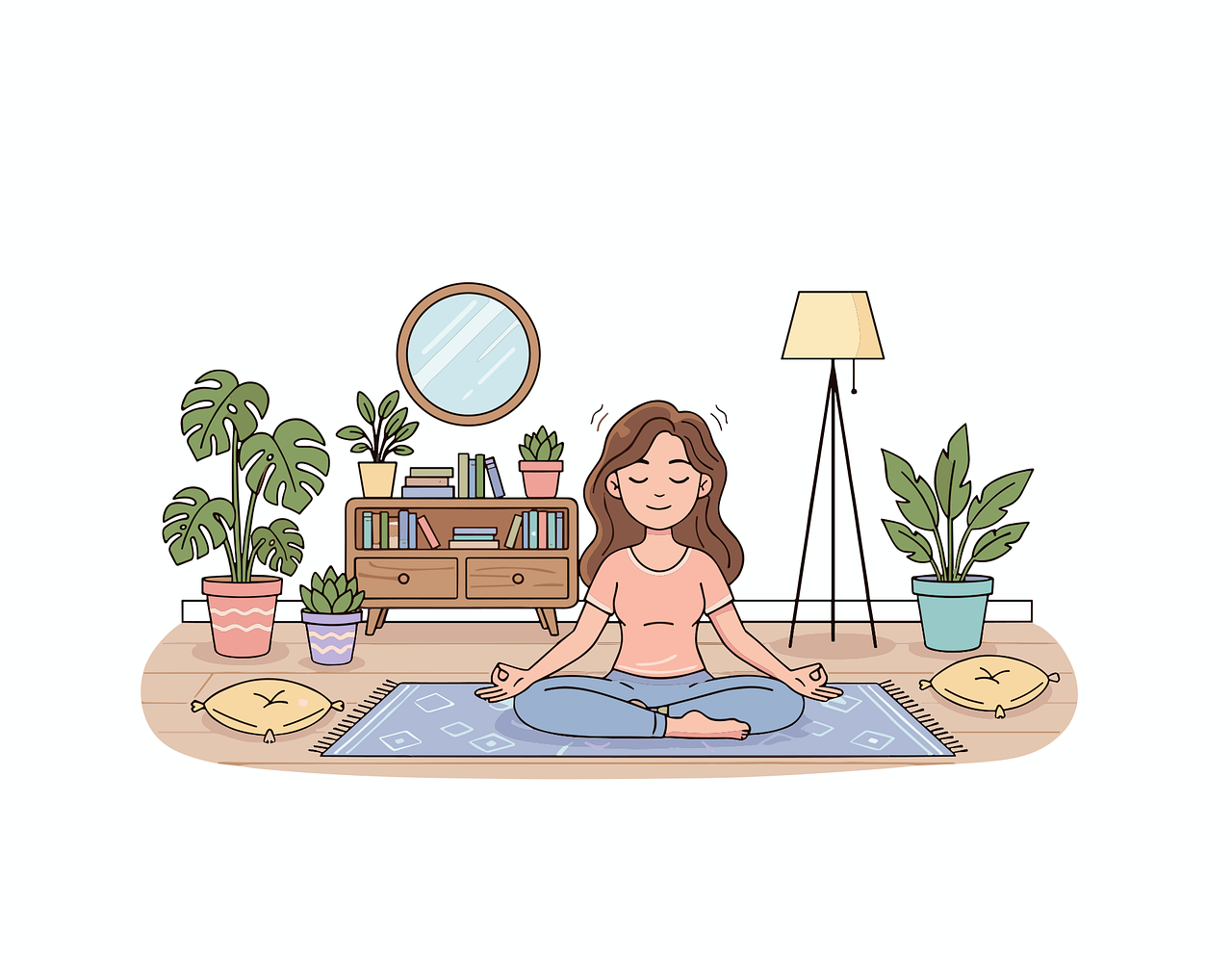
Incorporating a relaxation routine that includes breathing exercises can significantly alleviate tension resulting from poor posture. Establish a dedicated space in your home where you can practice these techniques daily. This designated area can serve as a calming retreat from daily stresses, promoting relaxation and rejuvenation. Begin your routine with slow, deep breaths, focusing on the feeling of relaxation washing over your body. Consider adding gentle yoga poses that promote spinal alignment and release muscle tension, such as Child’s Pose or Cat-Cow. When combined with breathing exercises, these poses can enhance your overall relaxation experience. Gradually increase the duration of your sessions, working towards engaging in this relaxing routine for at least 15 to 30 minutes each day. You might also explore guided relaxation or meditation apps, which can offer additional support and structure to your practice. Remember that consistency is key. Over time, you’ll likely notice improvements not only in your posture but also in your overall mood and stress levels. Embracing relaxation as a daily practice will positively affect your long-term health and well-being while reinforcing better body alignment.
Additionally, paying attention to your workspace ergonomics can significantly impact your posture and breathing. Start by ensuring your chair supports your lower back and promotes a straight spine. Your feet should be flat on the floor or a footrest, and your knees should be at or below hip level. Monitor your computer screen height to avoid straining your neck; the top of the screen should be at or slightly below eye level. Use keyboard and mouse positioning that allows your arms to remain relaxed and close to your body, minimizing tension in your shoulders and wrists. Incorporate breathing exercises during breaks to combat the negative effects of prolonged sitting. Stand up, stretch, and take a few deep breaths every hour to reset your posture. This short practice can significantly enhance your energy and focus. By optimizing your workspace and incorporating consistent breathing techniques, you will create an environment conducive to good posture and mental clarity. A thoughtful approach to ergonomics and breath control fosters a healthier workspace that promotes productivity and comfort, allowing you to work efficiently without sacrificing your well-being.
Long-Term Benefits of Breathing and Posture Exercises
Practicing breathing exercises regularly alongside proper posture techniques offers numerous long-term benefits for your physical and emotional health. As these exercises increase lung capacity and improve oxygen flow, they can enhance overall stamina and energy levels. Improved oxygen supply helps nourish your muscles and organs, resulting in better performance during physical activities and daily tasks. A consistent practice leads to increased mindfulness, empowering you to identify and correct poor posture before it causes discomfort. Over time, this heightened awareness supports you in developing healthier habits that contribute to overall well-being. Moreover, the relaxation response elicited by breathing exercises can alleviate anxiety and stress, promoting mental clarity. As you experience improvements in posture, your level of self-confidence often rises, positively affecting interactions and self-image. The benefits don’t stop there; breathing exercises encourage a more balanced neuro-muscular response, which contributes to better coordination and posture alignment. By investing time in your body through these practices, you invest in your health and peace of mind. With dedication and consistency, the compounding effects of these exercises enhance both your physical and emotional resilience in daily life.
In summary, breathing exercises combined with posture awareness serve as powerful tools in relieving tension and promoting overall well-being. As you integrate these techniques into your daily routine, be sure to embrace patience and gradually adapt to the changes in your body. Encourage friends and family to join you on this journey to better postural awareness and the health benefits that accompany improved breathing techniques. Through shared experiences, you can inspire each other to persist in your efforts, reinforcing positive habits. Additionally, consider documenting your progress and reflecting on how these exercises impact your daily life. Tracking improvements can provide motivation while illustrating the direct connection between posture and emotional health. In time, you’ll come to recognize the intrinsic relationship between your body, mind, and breath. Regular practice will open the door to a healthier, more balanced life where breath control and posture become second nature to you. Embrace the transition with open arms, and watch as your improved posture and relaxation techniques lead to newfound comfort and ease in your daily routines. By fostering these skills, you invest in your long-term health and happiness.