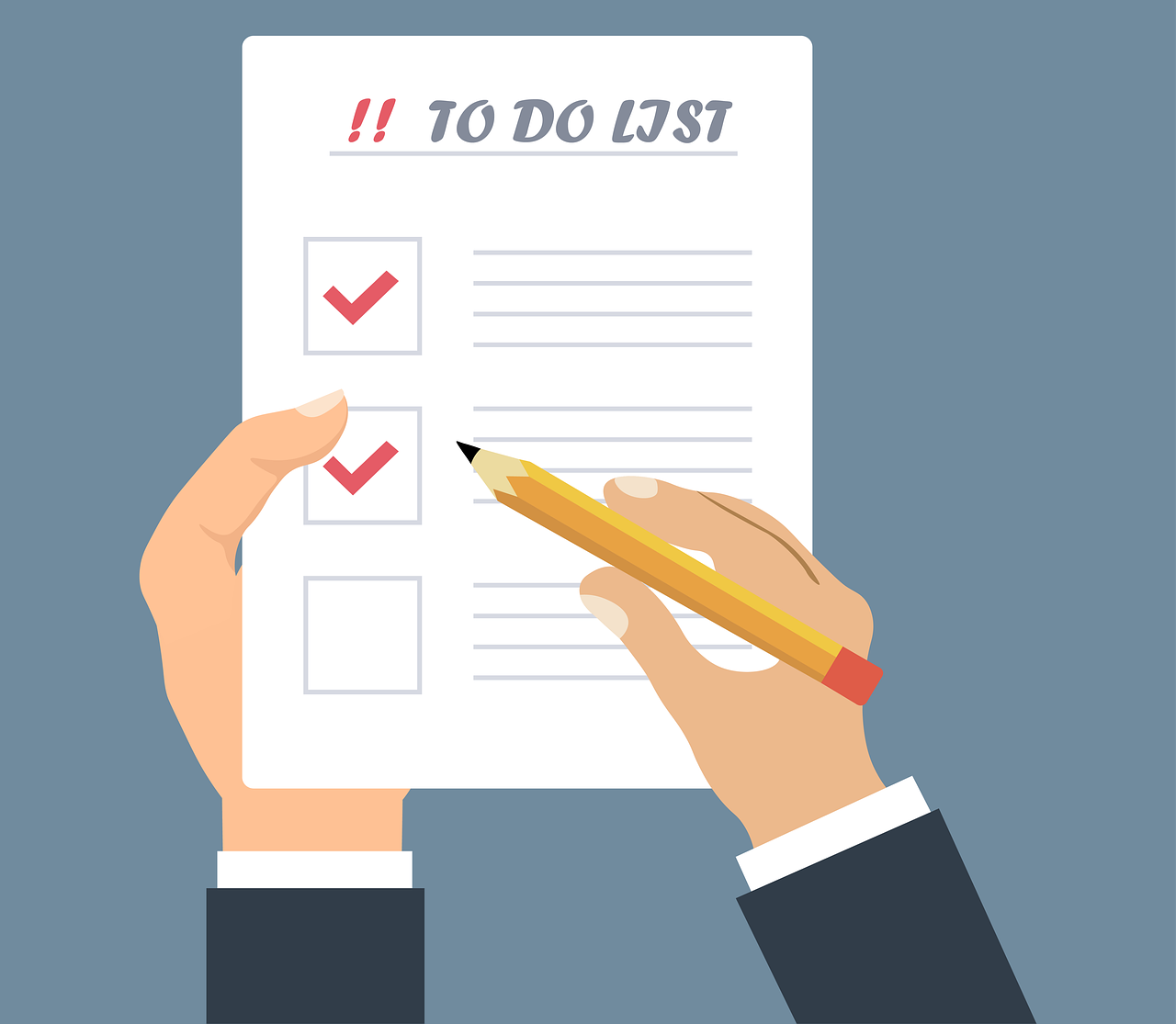

Managing Multiple Goals with Organized To-Do Lists
Effective to-do lists serve as essential tools for individuals juggling multiple goals. By organizing tasks, individuals can clarify priorities and increase productivity. To create a successful list, first identify your goals and ascertain their urgency. Start with short-term goals, as they provide immediate gratification and encourage progress. Establishing realistic deadlines is crucial to keeping oneself accountable. For instance, use specific time frames, such as “complete by Friday.” Next, segment your tasks into manageable chunks, reducing feelings of overwhelm. In doing so, you might find sub-tasks easier to accomplish. Additionally, incorporating a review process will help keep track of your progress. Regularly assessing your completed tasks can motivate you to continue pursuing your goals. Beyond just a list, the power lies in consistent execution. Maintain flexibility, as situations may change and require modifications to your plans. Using an app or a classic notebook is effective. Ultimately, maintaining a clear overview of tasks aids in sustaining motivation while pursuing various objectives. Balance is key to effective management, ensuring no area gets neglected while advancing overall success.
One approach to creating efficient to-do lists is adopting the SMART criteria. This method assists in outlining your goals to ensure they are Specific, Measurable, Achievable, Relevant, and Time-bound. When you write your tasks, reflect on each element of this framework. For instance, instead of saying, “work on project,” specify what that entails. A better alternative might be, “draft first three sections of project report by Monday.” Then, aim for meaningful yet attainable milestones to keep momentum going. Ensure tasks align with your broader objectives, making them relevant to your long-term aspirations. Once you have your tasks established, break them down further if needed. A task like “develop marketing strategy” can be subdivided into researching competitors, identifying target audience, and brainstorming promotion ideas. Consistent checking off of completed tasks provides gratification and visual feedback on how much you’re achieving. Consider adding elements like deadlines, priorities, or even categories for your tasks. You can also find plenty of templates that suit a range of productivity styles. By applying this organized approach, you’ll increase efficiency and successfully tackle multiple goals simultaneously.
Prioritizing Tasks for Maximum Impact
Additionally, prioritizing tasks is crucial for ensuring that your to-do list remains relevant. Not all tasks carry the same weight, and identifying what is truly important allows you to allocate your time effectively. Utilize methods like the Eisenhower Box to identify urgent versus important tasks. This matrix can help you categorize what needs immediate attention and what can be scheduled for later. Once you’ve classified your tasks, allot time to each item based on its priority. Understand that some tasks may yield higher returns on your time investment than others. Therefore, allocate more of your mental energy to high-impact tasks. Furthermore, avoid overloading your list by only selecting a few tasks to focus on each day. A smaller, prioritized list is less intimidating and more achievable. This helps in preventing burnout and maintains long-term focus. Don’t hesitate to adjust your priorities regularly; as projects evolve, so too should your to-do list. Remember that the ultimate goal is to create a fulfilling balance between your personal and professional life by managing tasks effectively. Prioritization ensures that you remain aligned with your objectives while staying productive.
To-do lists can also benefit from strategic integrations of technology. Many apps exist that make organizing tasks seamless. For instance, tools like Todoist, Trello, or Microsoft To-Do help in maintaining your lists digitally, adding functionalities like reminders and deadlines. These platforms enhance productivity by providing a systematic way to visualize what needs to be done. They often include collaborative features, allowing teams to work together efficiently on shared tasks. Another advantage of digital lists is the ability to sync across devices, meaning you always have access regardless of location. Mobile accessibility can promote spontaneous productivity, enabling completion of tasks whenever/wherever convenient. Additionally, these applications often integrate with calendars, ensuring all tasks align with scheduled commitments. You can even set recurring reminders for tasks that require regular attention, such as weekly meetings. However, it’s essential to find a balance and not rely solely on technology. Determine what works best for you; some prefer written lists, while others thrive with digital tools. Ultimately, it’s about finding the method that enhances your productivity the most while aligning seamlessly with your goals.
Review and Reflect to Improve
Reviewing your progress regularly is necessary for optimizing your to-do lists. Consider scheduling time weekly to assess what has been accomplished and what remains. This practice helps identify patterns, both positive and negative, in your task management. By reflecting on completed tasks, you can celebrate achievements, motivating you to maintain momentum. However, it is equally essential to analyze tasks left unfinished. Seek to understand the reasons for their lack of completion. Perhaps tasks were too ambitious or not relevant anymore. Armed with this insight, you can modify future lists for better effectiveness. Consider applying a feelings assessment—reflect on how you felt during your productivity periods. Positive emotions may indicate effective goal-setting strategies, while negativity might signal the need for changes. Besides reassessing past tasks, adjusting future objectives can lead to improved planning. Incorporate feedback loops whereby you alter methods based on outcomes. By creating this culture of review and reflection, your to-do lists can evolve, leading to continuous improvement in achieving multifaceted goals over time. It’s about accomplishing more and reflecting meaningfully on the journey toward goals.
In addition to assessing past lists, visual elements can significantly enhance your to-do list experience. Consider incorporating color-coding or imagery alongside tasks. This approach offers visual cues that can simplify your task categorization process. For example, you could use different colors to signify various projects or personal vs. professional goals. This would allow a more at-a-glance understanding of what is on your plate without delving deeply into the text. Incorporate icons or images that represent specific goals; for instance, use a book icon for reading objectives, or a dumbbell for fitness-related tasks. These visual indicators can add fun and engagement in what might otherwise feel like mundane chores. Visualization helps solidify your commitment to your to-do list and nutrition goals. Importantly, you might find that this creativity fosters more significant engagement with the tasks at hand. As you get more comfortable, only refine your list by continuously trying new organizational methods. Remember that your goal is effective time management to attain diverse objectives, fostering achievements in both personal and professional realms.
Conclusion: Beyond Task Management
Ultimately, managing multiple goals with organized to-do lists requires a combination of strategy, flexibility, and creativity. It is imperative to remember that to-do lists are not just tools for marking items complete. Instead, they act as repositories that hold not just tasks but reflections of your aspirations. When utilized effectively, these lists can pave the path toward comprehensive personal growth and accomplishment. As you explore various methods, you may find that what works for one goal might not be as effective for another. For this reason, adaptability is vital. Don’t hesitate to reevaluate your process when required and introduce new elements to your lists as your aspirations evolve. Ensure that you preserve balance, so all areas of your life receive attention, ultimately leading to holistic success. Achievements are built upon consistent, organized efforts, which begins with an actionable plan. Incorporate the strategies covered, and tailor them to suit your unique needs and preferences. Remember, the power of goal management lies in your ability to shape your to-do lists into effective frameworks of accountability and motivation, guiding you towards accomplishments in all realms.
Maintaining organized to-do lists creates a foundation for effective goal management. It ultimately fosters improved focus across multiple areas of life, ensuring that the path to success is clear. By strategically identifying, prioritizing, and reviewing tasks, you construct a roadmap that leads toward your ultimate objectives. Throughout this journey, remember that consistency will yield results. A dynamic approach to list-building will only enhance your ability to reach various milestones. Be intentional about your methods, tools, and reflections as you nurture the habit of productivity.